- Climate scientists confirmed this year that global heating would reach at least 1.8C – beyond the 1.5C temperature goal that countries promised to aim for at talks in Paris in 2015.
- The UN’s chief climate negotiator, Simon Stiell, told the opening plenary of critical UN climate talks that a global fossil fuel price crisis is spreading inflation like a cancer around the planet.
- Stiell joined hosts Turkey and Australia, which is leading the negotiations, in promoting renewable energy and a new electrification goal as an optimistic alternative to a planet still tied to oil, coal and gas.
- UN Secretary General António Guterres urged leaders to “get serious by cutting emissions faster, accelerating a just transition from fossil fuels and delivering the finance and protection vulnerable countries need.”
- Australia’s climate change minister Chris Bowen, president of the negotiations, said although the 1.5C target will be overshot, “we can return … if we work together and act with urgency, solidarity and resolve.”
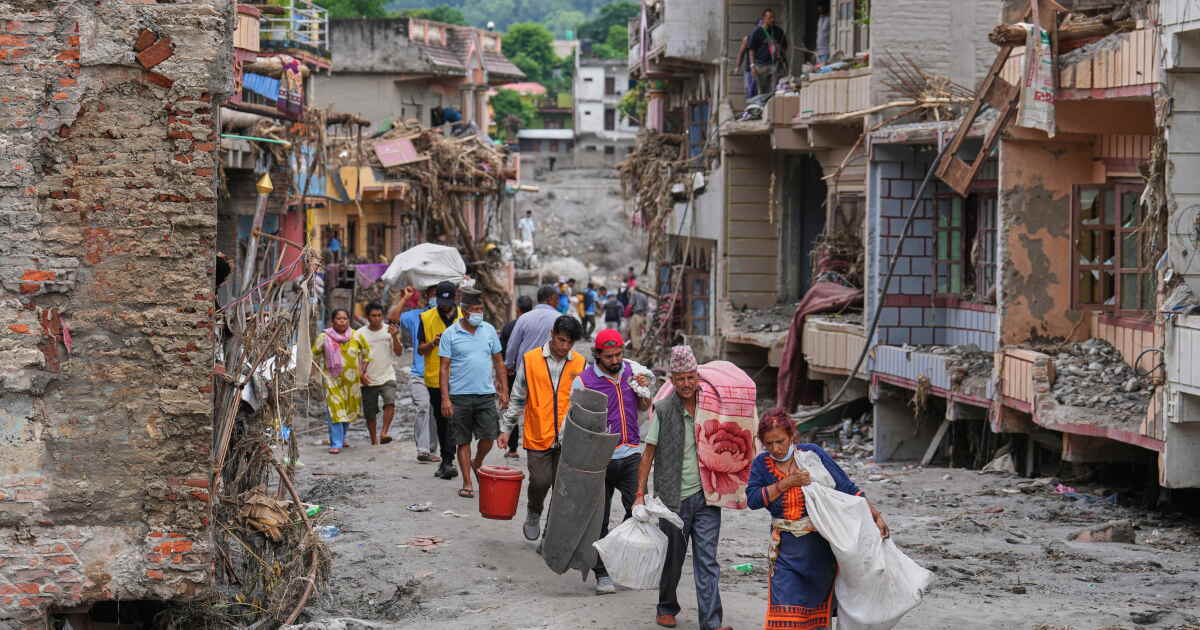
- The talks are opening as a historic El Niño builds in the tropical Pacific and less than two months after a glacier collapse set off catastrophic flooding in Nepal and Tibet, with thousands more still missing.
- Johan Rockström, director of the Potsdam Institute for Climate Impact Research, called the inevitable breaching of the 1.5C limit “a global failure.”
- During the opening plenary, delegates from almost 200 countries watched a stirring short film with scenes of fire, flood and storms that proclaimed: “It’s time to reconnect with the planet we have grown apart from.”
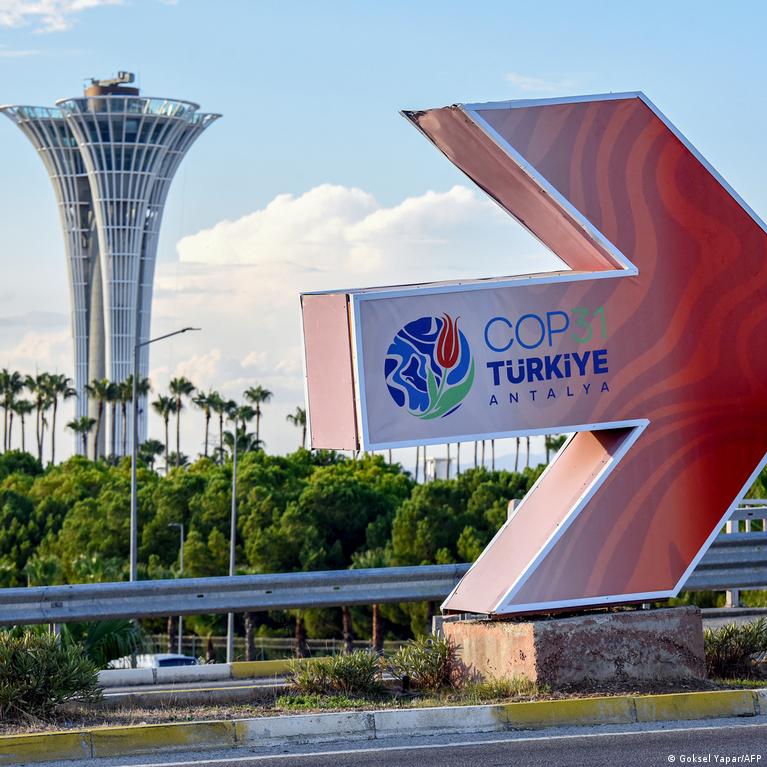
Simon Stiell, the UN's chief climate negotiator, emphasized at the opening of COP31 in Antalya that soaring fossil fuel prices are 'spreading inflation like a cancer', affecting households worldwide. He described this 'fossil fuel cost chaos' as delivering a global shock wave that exacerbates economic challenges.23
The conference, hosted by Turkey and Australia, aims to shift focus towards renewable energy and establish an electrification goal as a hopeful alternative to reliance on fossil fuels. This comes amid alarming climate events, including a historic El Niño and recent catastrophic flooding in Nepal and Tibet, which have left thousands missing.47
Climate scientists have warned that global heating is projected to reach at least 1.8C, surpassing the 1.5C target set during the 2015 Paris Agreement. Johan Rockström, director of the Potsdam Institute for Climate Impact Research, expressed concern that global warming is accelerating and that tipping points are approaching rapidly, marking a significant failure within the Paris framework.18
UN Secretary-General António Guterres urged leaders to 'get serious by cutting emissions faster' and to support vulnerable nations. Australia's climate change minister, Chris Bowen, acknowledged the likelihood of exceeding the 1.5C target but stressed the importance of urgency, solidarity, and resolve in addressing climate change.6
“The talks begin as a historic El Niño builds in the tropical Pacific and less than two months after a glacier collapse triggered catastrophic flooding in Nepal and Tibet, leaving thousands missing. Climate scientists confirmed global heating will reach at least 1.8C, overshooting the 1.5C Paris goal, which Johan Rockström called 'a global failure.'”
 The Guardian