
- Nationwide protests erupted in January following economic collapse and hyperinflation.
- Since March 19, at least 56 people have been executed on national security-related charges, including 27 linked to protests.
- Turk alarm by rise in executions since March; urged halt to executions and abolition of death penalty.
- Amnesty International reported in July that the lethal wave stems from a broader state campaign following a major popular uprising in January.
- More than 100 others remain at risk of execution on similar charges.
UN High Commissioner for Human Rights Volker Türk warned of a surge in Iran's executions since March, saying at least 56 people have been executed on national security-related charges, including 27 tied to protests, and urged authorities to halt executions and move toward abolition of death penalty.
b>“I am alarmed by the rise in executions and death sentences issued in Iran since March, and that capital punishment continues to be used to instil fear among the population and suppress dissent,” Türk said.
Officials say more than 100 other people remain at risk of execution on similar charges, while executions for drug-related offences continue at an alarming rate. The UN noted a systemic failure of fair trial and due process, with confessions allegedly obtained under torture and other ill-treatment.8
At times, executions were carried out weeks after arrest, and 12 defendants were reportedly sentenced to death following a single three-hour closed-door hearing.
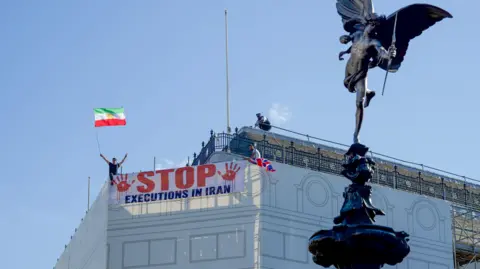
Amnesty International has linked the upsurge to a broader state crackdown after January's uprising, noting Iran is among the world's most prolific executioners; last year, Amnesty says Iran executed 2,159 people, the highest figure since 1981, including 45 on national security charges.167
Observers say the January protests began after a collapse in the rial, fueling antigovernment demonstrations that authorities have sought to suppress as war with Israel intensified. In his call, Türk urged Iran to halt all executions and move toward abolition; the UN stressed that public restraint, fair trial safeguards, and due process are essential. “I urge the authorities to urgently halt all executions and move towards the abolition of the death penalty.”
Turk's briefing also foregrounded concerns about the speed and secrecy of judicial proceedings, noting that some executions were carried out weeks after arrest and that a number of cases proceeded with minimal public scrutiny. The rights office called for immediate reforms to prevent further abuses before any future executions. The volume alarms observers.
“Turk cited systemic judicial failures, noting confessions allegedly obtained under torture and a lack of fair trial guarantees. Amnesty International reported that executions are used to 'punish and suppress dissent and project an image of strength and absolute control,' with over 100 more at risk.”
 BBC
BBC



