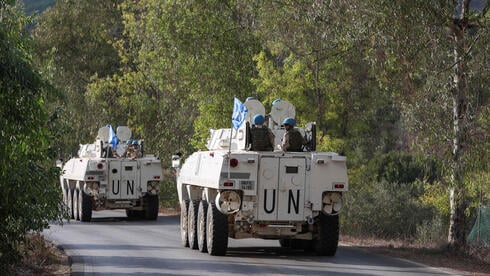
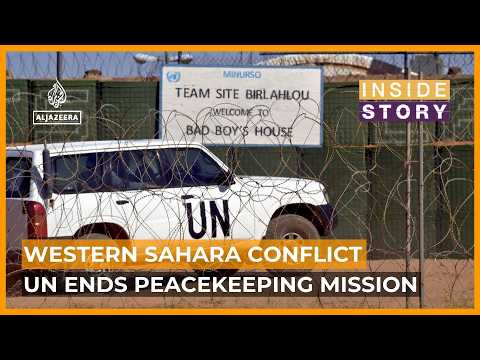
- MINURSO has been deployed in Western Sahara since 1991.
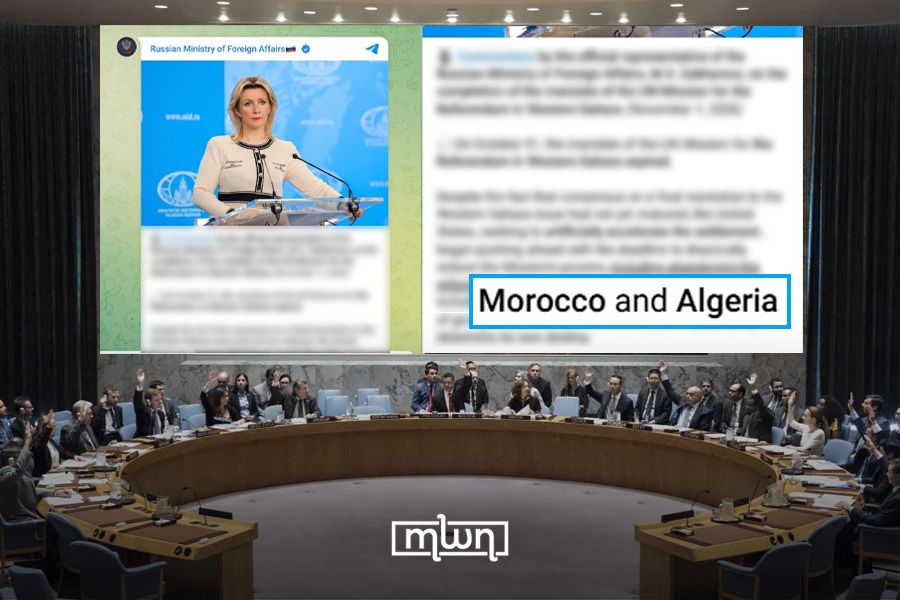
- On October 30, the UN Security Council deadlocked over MINURSO, with an American draft resolution favoring Morocco's Autonomy Plan receiving 11 votes in favor, one Russian veto, and three abstentions.
- A competing Russian proposal to extend the peacekeeping mandate received three votes in favor, one against, and eleven abstentions.
- MINURSO's mandate expired at midnight on October 31.
- On November 1, the UN announced the mission's liquidation and withdrawal process, with a logistical team tasked with repatriating contingent equipment and disposing of UN assets.
- The end of the peacekeeping force carries strategic significance for Jerusalem.
- UNIFIL, established temporarily in 1978, operated under an approved 2025–2026 budget of $555.82 million and fielded 7,565 peacekeepers from 46 countries as of September 23, 2026.
MINURSO's conclusion marks a significant shift in Western Sahara's geopolitical landscape. The mission, which began in 1991 to oversee a ceasefire and facilitate a self-determination referendum, has been rendered ineffective due to ongoing disputes over voter eligibility and census rolls, leading to its mandate's expiration on October 31.14
The Security Council's inability to reach a consensus resulted in the withdrawal process commencing on November 1, with a logistical team assigned to manage the repatriation of equipment and disposal of UN assets.5
“By the time Security Council divisions halted the mission, MINURSO had ceased to function as an engine of political resolution,” highlighting the mission's transition into an indefinite holding pattern rather than a facilitator of peace.
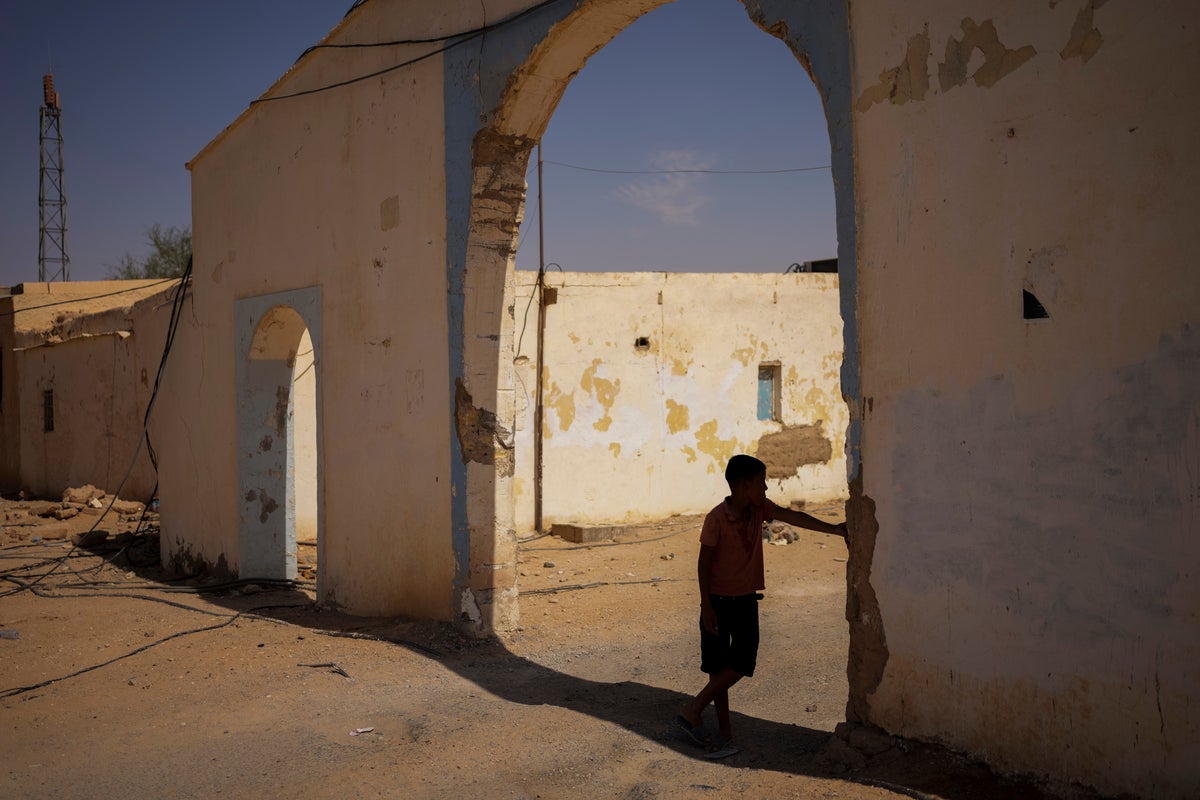
Currently, Morocco administers approximately 80% of Western Sahara, proposing autonomy under its sovereignty, while the UN still classifies the territory as Non-Self-Governing.
The end of MINURSO raises concerns about the reliance on UN peacekeepers, as “a sovereign state must not outsource vital defense to international peacekeepers,” a lesson drawn from Morocco's experience. The mission's failure underscores the complexities of international peacekeeping efforts and the need for sustainable political solutions.
As the region faces uncertainty, the implications of MINURSO's withdrawal will likely resonate beyond Western Sahara, affecting broader geopolitical dynamics in Northwest Africa.
“The U.S. draft favoring Morocco's Autonomy Plan received 11 votes in favor but was vetoed by Russia, while a competing Russian proposal failed with only 3 votes. UNIFIL in Lebanon, with a $555.82 million budget and 7,565 peacekeepers from 46 countries, illustrates the broader stakes.”
 Ynetnews