
- Volker Turk has been re-elected as the UN human rights chief with a vote of 144-10, despite opposition from the United States, Israel, and Russia.
- Turk expressed his gratitude for the re-election, stating, “Human rights are the antidote to today’s turbulence and defeatism.”
- His term as UN human rights chief was set to expire on October 11, but he will now serve for an additional four years.
- The European Union welcomed Turk's reappointment, looking forward to working with his office to promote and protect human rights worldwide.
- The UN General Assembly rejected proposals from the US and Russia to delay the vote or extend Turk's term by only a few months.
- Volker Turk has been a vocal critic of Israel's actions in Gaza and has faced opposition from both Israel and Russia regarding his reappointment.
- Critics, including the US State Department, have accused Turk of turning a blind eye to real atrocities while pursuing a radical ideological agenda.
- No previous human rights chief has served two full four-year terms since the post was created in 1993.
Volker Turk has been re-elected as UN High Commissioner for Human Rights, winning a 144-10 vote with 13 abstentions. His new term, starting October 12, 2026, is historic as he could be the first to serve two full terms since the position's inception in 1993.127
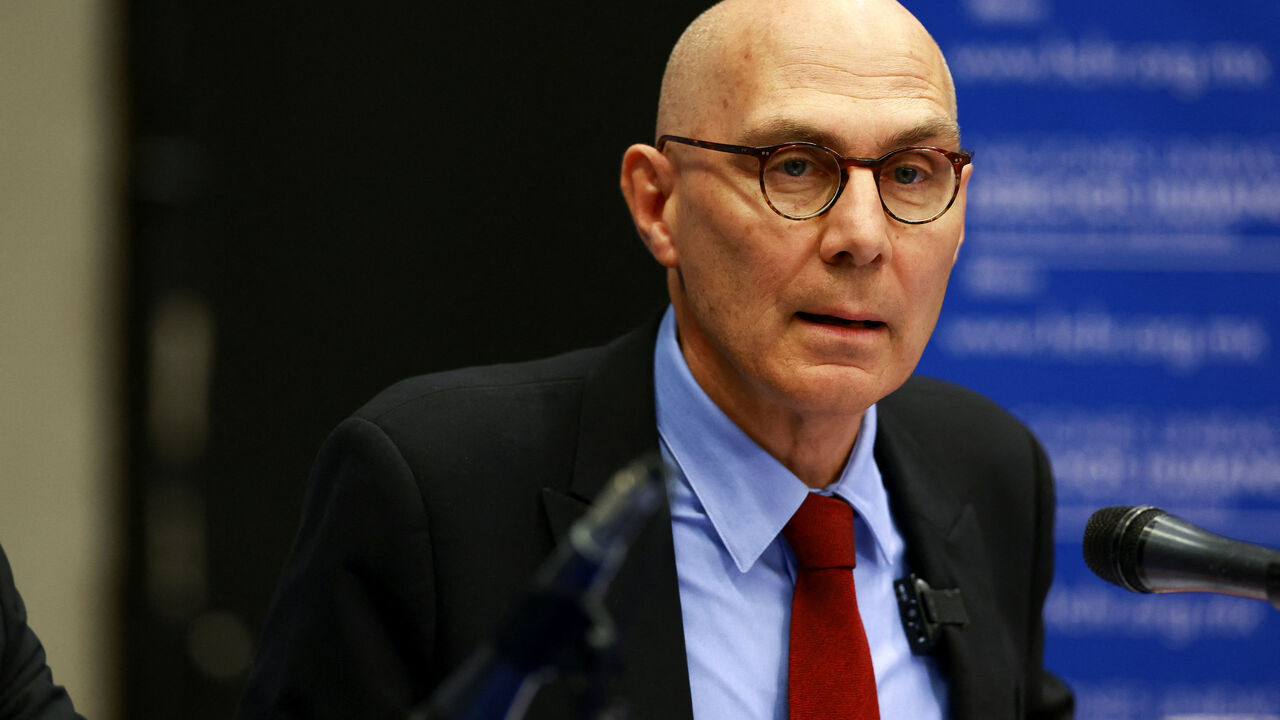
Despite his reappointment, Turk faced significant opposition from the United States, Israel, and Russia. The US criticized the vote as a sign of the UN's 'inherent corruption and incompetence,' with State Department officials claiming Turk has 'turned a blind eye to real atrocities' while pursuing a 'radical ideological agenda.'
Israel's Foreign Ministry condemned the decision, labeling it a 'moral failure' and asserting that the choice should have been left to the next UN Secretary-General. Russia also opposed the extension, proposing a shorter term instead.

In contrast, the European Union welcomed Turk's reappointment, expressing eagerness to collaborate on promoting human rights globally. Turk himself expressed gratitude for the support, stating, 'Human rights are the antidote to today’s turbulence and defeatism.'5
Turk's tenure has been marked by vocal criticism of various global issues, including the Russian invasion of Ukraine and the conflict in Gaza. However, he has also faced criticism for not addressing certain human rights violations more decisively, particularly regarding the Uyghurs in Xinjiang and the situation in Cuba.
The vote's outcome reflects a divided international community, with Turk's supporters emphasizing the need for a strong voice in human rights advocacy amidst ongoing global crises.
“Turk will be the first UN human rights chief to serve two full terms since the post's creation in 1993, enjoying strong backing from European and Latin American states. The US warned it would 'immediately reassess' its engagement and funding to the UN following the vote.”




