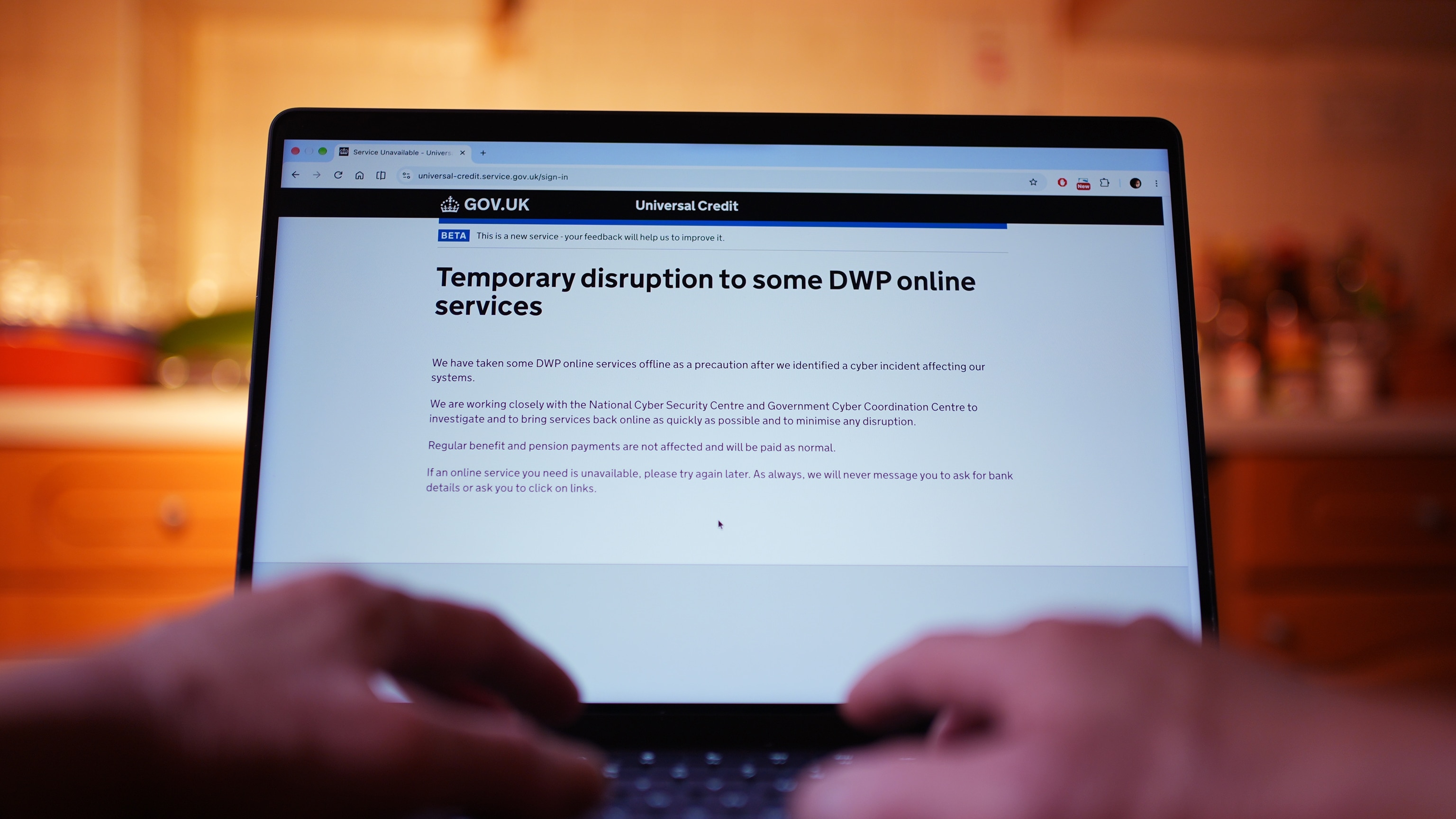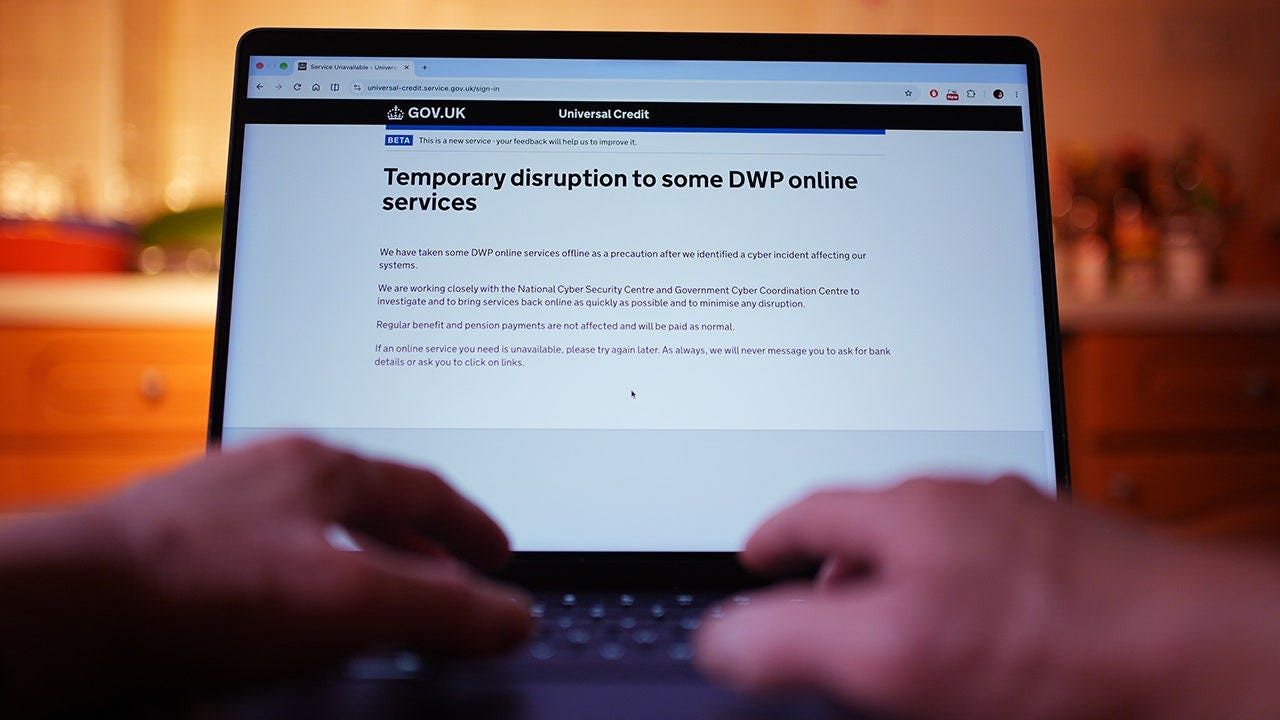
- The British government has confirmed a cyberattack on the welfare department.
- As a precaution, systems were pulled offline following the cyberattack.
- Work and Pensions Secretary Pat McFadden defended the decision to take systems offline, stating that protecting the public is the top priority.
- McFadden acknowledged public concern over potential payment delays on Friday but said any delays are not believed to be related to the cyberattack, as payments are cleared several days in advance.
- The department handles 2.5 million payments every day, according to McFadden.
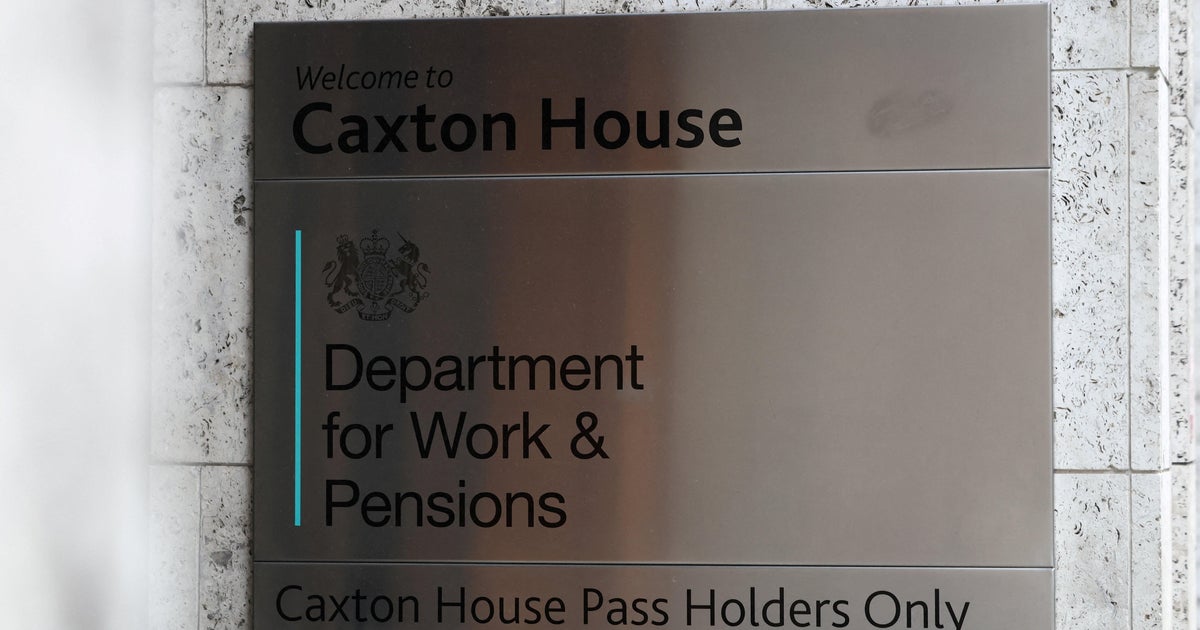
The British government confirmed a cyberattack on its Department for Work and Pensions, identified on Thursday evening, leading to precautionary measures that included taking some systems offline.
Work and Pensions Secretary Pat McFadden stated, "We did the right thing by taking those systems offline because the top priority in these circumstances is to protect the public." The department, which manages 2.5 million payments every day, assured that there is no evidence of compromised personal information and that pension and benefit payments continued as normal.
McFadden acknowledged public concern regarding potential payment delays, clarifying, "I understand people’s concern and distress if they didn’t receive a payment that they were expecting on Friday. We don’t believe any delays like that are to do with this cyberattack," as payments are cleared several days in advance.
The prime minister’s office confirmed that there was no evidence of a malicious actor targeting other government departments, indicating a focused attack on the welfare department.
The department is collaborating with the Government Cyber Coordination Centre to investigate the incident further.
“McFadden said the department handles 2.5 million payments daily, and while he understands public concern over Friday's missed payments, he believes delays are not linked to the cyberattack because payments are cleared days in advance. He defended the offline move as the right call to protect the public.”


 Fox News