- Ukrainian strikes have forced 15 of Russia's 38 major oil refineries to suspend operations as of the end of September 2026, while another 12 facilities have reduced production, according to Ukraine's Defense Intelligence Directorate (HUR) on November 5.
- The combined refining output of the affected facilities has fallen by 55.4% compared with the beginning of the year, according to Ukrainian intelligence.
- Refineries in remote regions, including Omsk, Achinsk, and Khabarovsk, remained operational, processing 906,000 barrels per day in September, an increase of 147,000 barrels from the start of 2026.
- On September 28, Putin signed Decree No. 686 introducing restrictions on the disclosure of oil refining data.
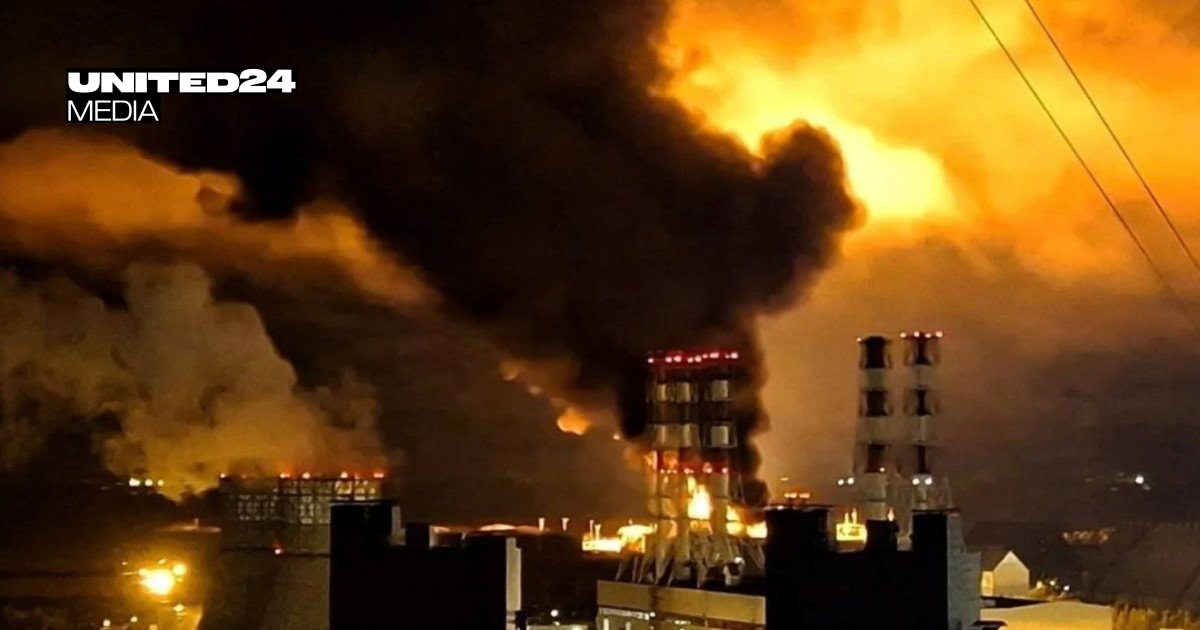
- On November 5, Ukrainian attack drones hit the Rosneft-operated Ryazan oil refinery, one of the major facilities highlighted in HUR's assessment.
- HUR assessed that Ukrainian strikes against Russian oil industry facilities have caused more than $23.2 billion in economic damage.
- The most severe disruptions have been recorded in Russia's Volga, Central, and Southern federal districts, where refinery shutdowns have affected several major oil processing facilities.
- Together, the affected facilities account for approximately 33% of Russia's total oil refining capacity.
- Despite attempts to redistribute the workload among surviving facilities, Russia is unable to fully meet its domestic demand for petroleum products while also fulfilling its export commitments.
- Ukrainian intelligence warned that relying on refineries in remote regions provides only a temporary solution to Russia's growing fuel shortages.
- The geographical locations of these refineries complicate the transportation of petroleum products to regions experiencing supply disruptions, while shortages of railway rolling stock and road tankers further limit distribution capacity.
- Production at these facilities could decline in 2027 because maintenance work originally scheduled for 2026 has been postponed until next year.
- Replacing damaged equipment alone could cost Russia more than $20 billion, adding further financial pressure to an industry already struggling with reduced production.


Ukrainian strikes have severely impacted Russia's oil refining sector, with 15 out of 38 major refineries shut down and another 12 reducing output. This has resulted in a 55.4% drop in refining capacity, particularly affecting the Volga, Central, and Southern federal districts.128
According to Ukraine's Defense Intelligence Directorate (HUR), the affected facilities account for 33% of Russia's total refining capacity. The operational refineries, including Gazprom Neft's Omsk and Achinsk facilities, processed 906,000 barrels per day in September, a 147,000 barrels increase from earlier in the year, but only represent 24% of total output.34
HUR warns that reliance on remote refineries is a temporary fix, complicated by transportation issues and shortages of railway rolling stock and tankers. Furthermore, maintenance delays could lead to further declines in production in 2027.13
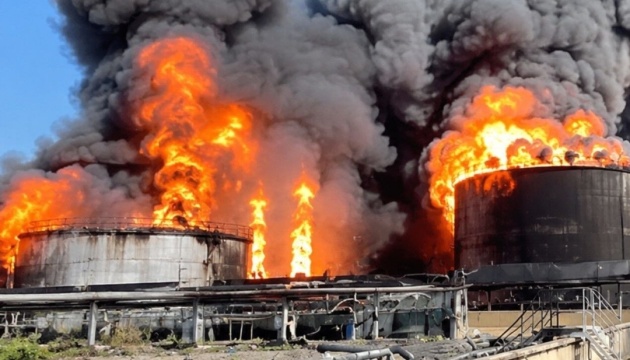
The economic toll is significant, with Ukrainian strikes causing over $23.2 billion in damages, nearly matching the sector's $26.6 billion revenue in 2025. Replacing damaged equipment could cost an additional $20 billion, exacerbating the industry's struggles.714
Despite attempts to redistribute workloads, Russia cannot meet domestic demand or export commitments, leading to fuel imports through 'gray schemes' to bypass sanctions. HUR emphasized the seriousness of the situation, noting the Kremlin's restrictions on oil refining data, which hinder independent monitoring and may lead to unreliable information dissemination.
“HUR's November 5 assessment says remote refineries processed 906,000 barrels per day in September, but logistics shortages limit their reach. Putin's Decree No. 686 restricts oil data disclosure, and damage to refineries has reached $23.2 billion, near 2025's $26.6 billion revenue.”

 UNITED24 MediaUkrinform