- Ukrainian overnight strikes reportedly hit a St. Petersburg oil terminal in the early hours of July 4, according to Russian Telegram media channels.
- Photos and videos on social media show black plumes of smoke and fire rising from the port area of the city, home to the St. Petersburg Oil Terminal.
- Explosions were heard in the city around 6:30 a.m. local time, with reports of Ukrainian long-range drones flying over the region.
- The oil terminal, located on the Gulf of Finland, is one of Russia's largest fuel storage and export facilities.
- St. Petersburg has rarely been targeted by Ukrainian attacks due to the concentration of Russian air defenses around the city.
- Ukrainian drone advancements have allowed for more effective penetration of air defenses, striking various targets in heavily fortified cities.
- Coordinated drone strikes targeted Russian energy and industrial facilities across several regions on July 4.
- Drone debris fell near a Lukoil terminal in the port of Vysotsk, according to open-source analysts.
- Russian authorities stated that air defenses intercepted 67 unmanned aerial vehicles (UAVs) over the Leningrad region on Saturday morning.
- Belgorod Governor Alexander Shuvayev characterized the drone strikes as a 'massive strike' that damaged local infrastructure.
- Local media reported that the strikes triggered a fire at the Luch thermal power plant, prompting emergency response teams.
- This weekend's incident follows a previous attack on July 3, which damaged a 110 kV substation at the Michurinskaya gas-turbine thermal power plant in Belgorod.
- Ukraine's campaign to pressure Moscow to end the war began on June 25, as approved by President Volodymyr Zelenskyy.
Ukrainian drones launched a significant attack on St. Petersburg's oil terminal early on July 4, as part of a broader campaign against Russian energy infrastructure. This incident marks a notable escalation, with St. Petersburg, historically shielded by robust air defenses, now facing direct threats.5
The attack occurred around 6:30 a.m. local time, with reports of explosions and drone activity over the city. The St. Petersburg Oil Terminal, one of Russia's largest fuel storage and export facilities, was targeted, resulting in visible fires and smoke rising from the port area.3
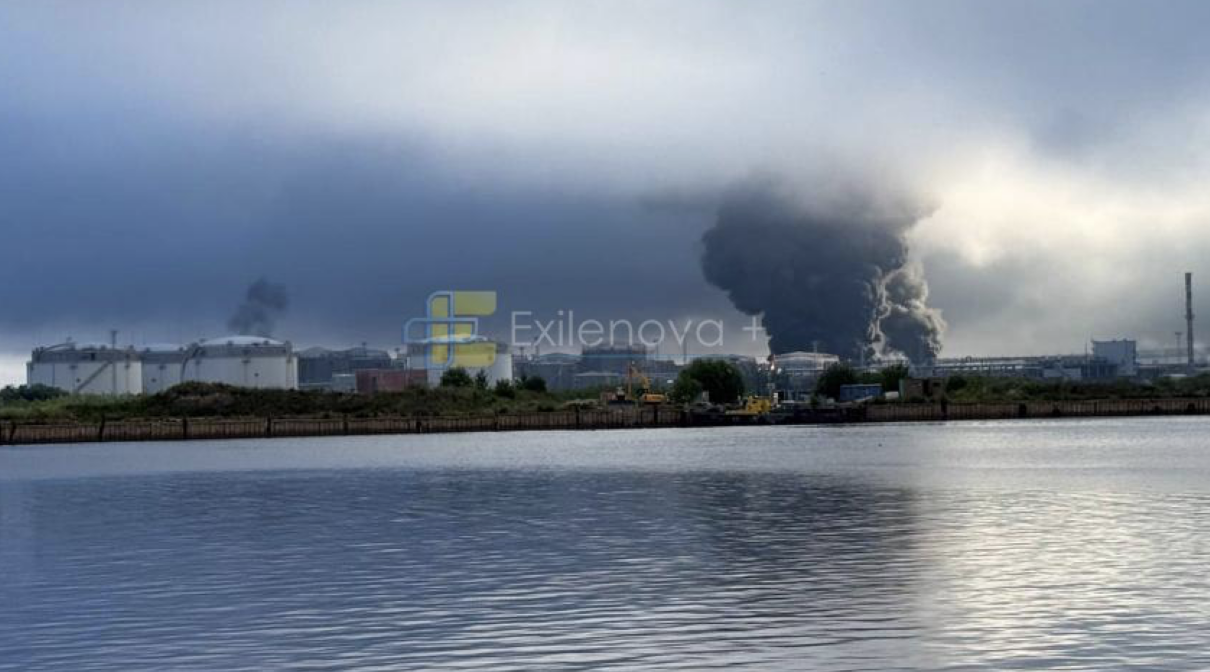
In addition to St. Petersburg, coordinated drone strikes affected multiple regions, including Belgorod, where thermal power plants were hit, causing significant electricity and water outages. Local officials described the strikes as a “massive strike” that damaged critical infrastructure.7
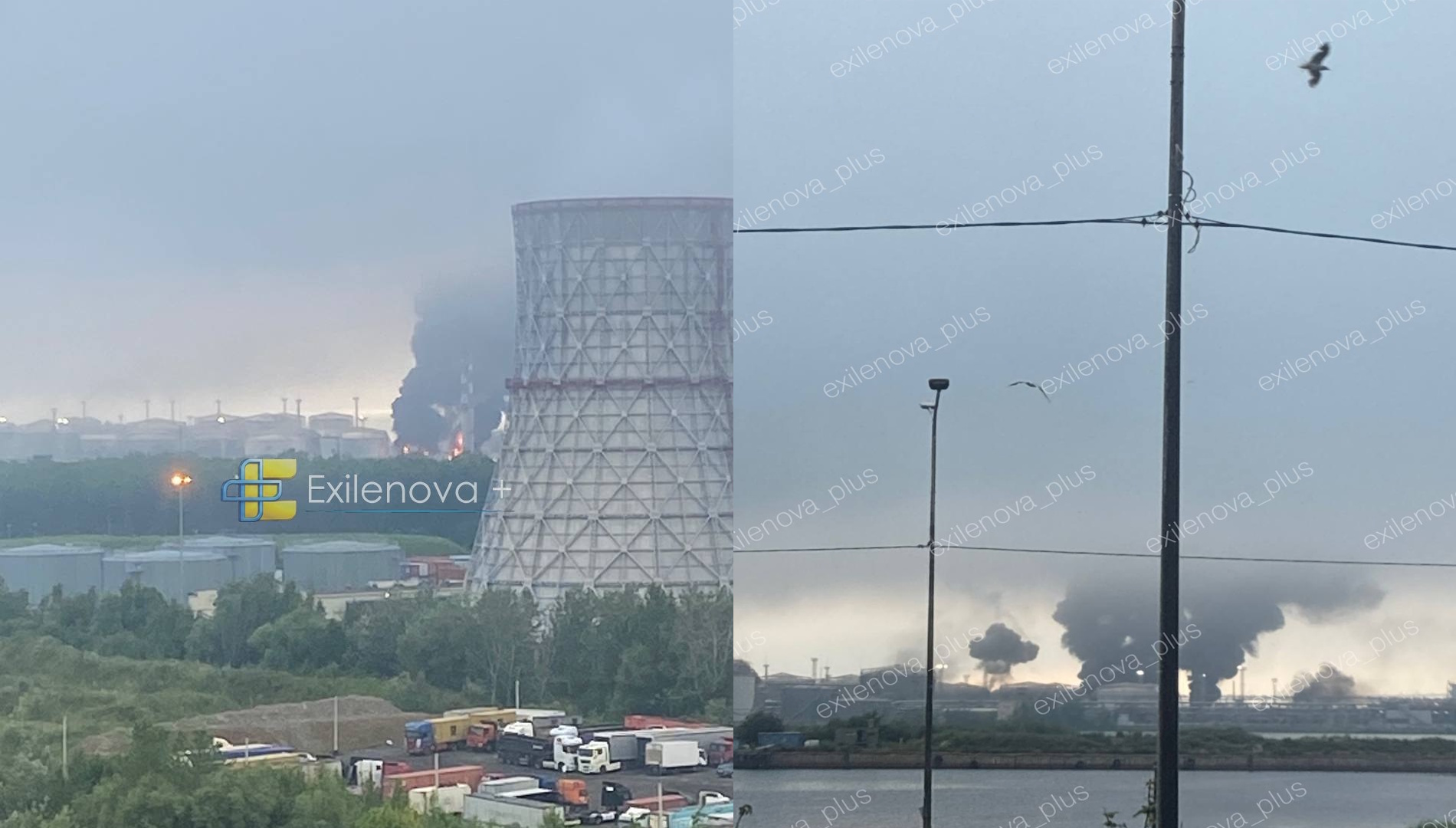
Overall, Russian authorities reported intercepting 67 unmanned aerial vehicles (UAVs) over the Leningrad region during the attacks. This escalation follows a series of Ukrainian strikes on Russian energy facilities, indicating a strategic shift in Ukraine's military operations against Russia's energy sector.9
The recent attacks are part of a 40-day operation approved by President Volodymyr Zelenskyy, aimed at pressuring Russia to end the ongoing conflict. Ukrainian forces have increasingly targeted Russian Baltic oil infrastructure, demonstrating enhanced capabilities in penetrating air defenses.
“Ukrainian drones have reportedly struck the St. Petersburg oil terminal, marking a significant escalation in attacks on Russian energy infrastructure. This incident is part of a ten-day campaign aimed at pressuring Moscow toward peace.”

 Euromaidan Press



