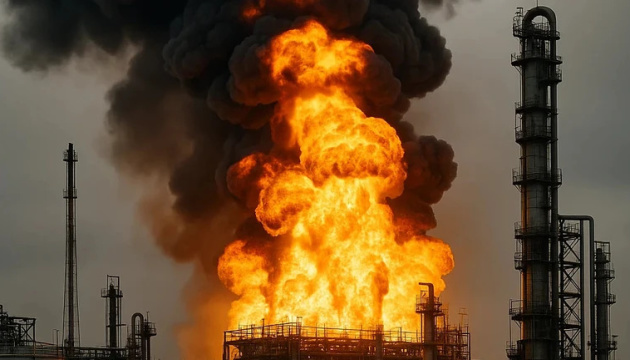
- Ukrainian drones struck oil terminals in the Tver and Stavropol regions, causing significant damage.
- Ukraine launched a broad drone offensive against Russia's maritime and energy networks, claiming strikes on 21 vessels in three days.
- NATO plans to invest more than $40 billion in counter-drone capabilities over the next five years.
- The attacks have led to a widespread fuel crisis in Russia, with gasoline shortages and rationing reported in multiple regions.
- Ukrainian drones have intensified attacks on Russian oil facilities, including strikes on oil tankers in the Sea of Azov.
- The Russian government announced a temporary ban on diesel exports to protect domestic supplies amid the ongoing attacks.
- Ukrainian President Volodymyr Zelensky confirmed strikes on oil depots in multiple regions, including Stavropol and Tver.
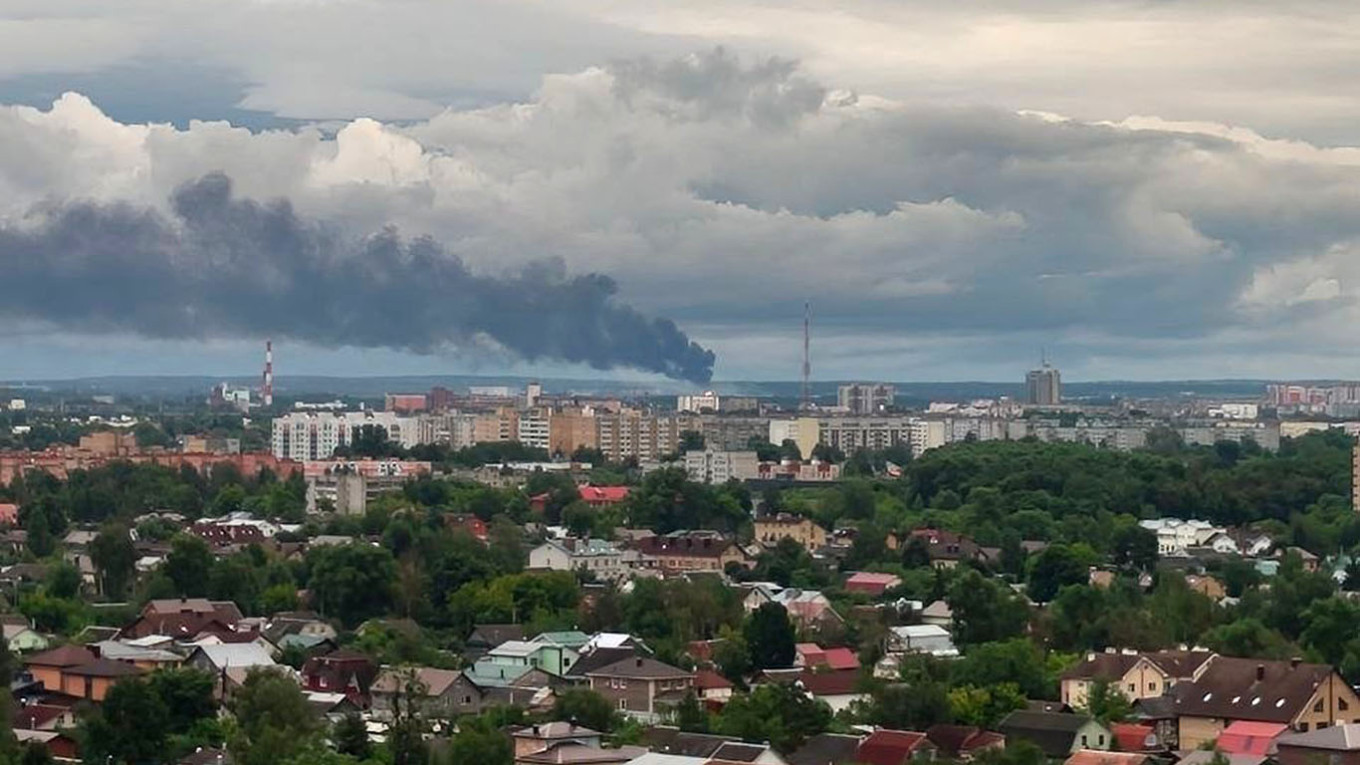
Ukrainian drones have ramped up attacks on Russian oil infrastructure, targeting facilities across multiple regions. On July 9, strikes hit an oil terminal in Tver, igniting a fire at the Tverneftoprodukt oil depot, confirmed by Governor Vitaliy Korolev.123
In the Stavropol region, drones targeted an oil depot in Vyazniki, with Governor Vladimir Vladimirov reporting flames reaching flammable materials.
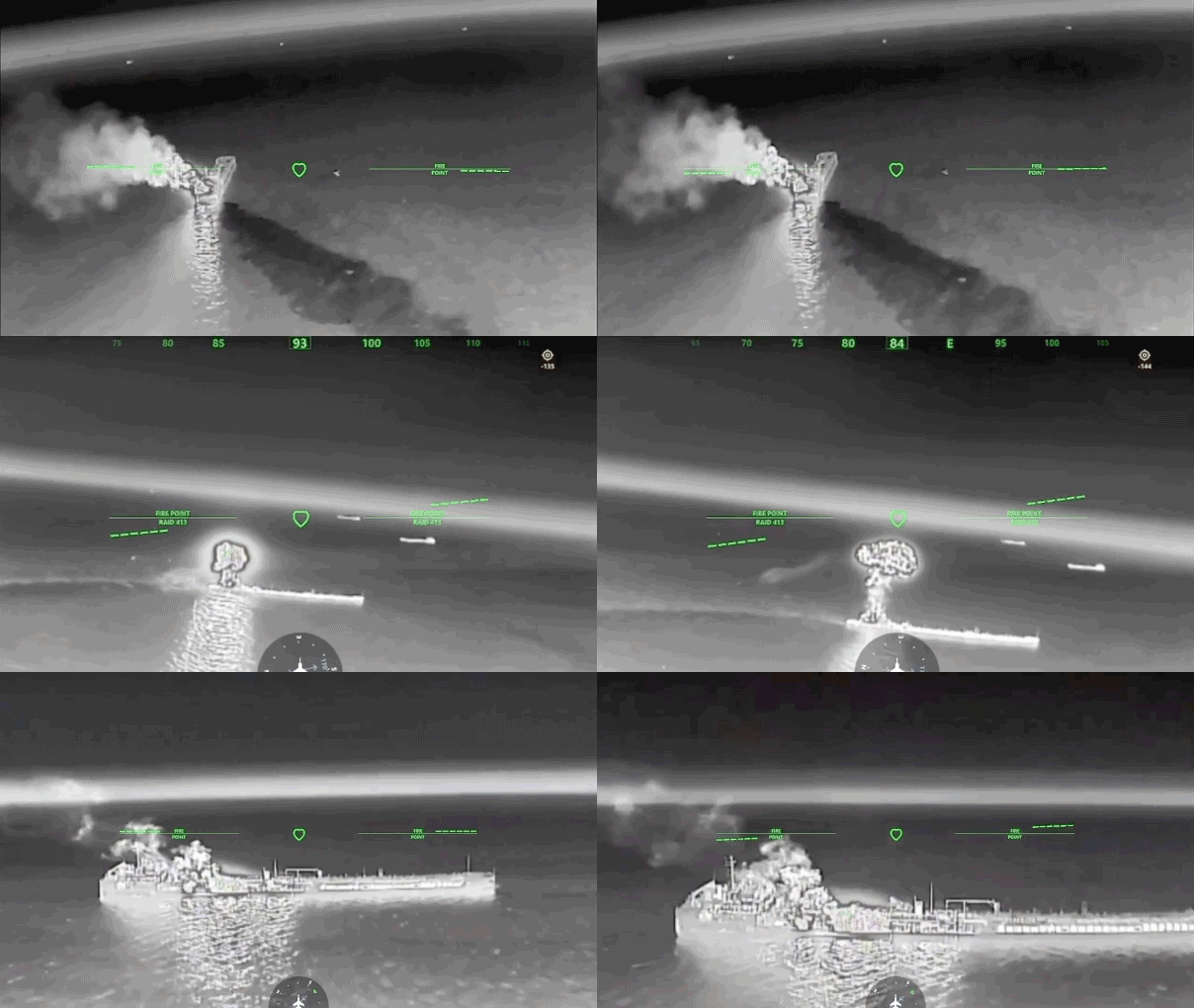
In Taganrog Bay, two tankers sustained mechanical damage, leading to crew evacuations, according to Rostov Governor Yuriy Slyusar. Ukraine's military claimed responsibility for striking 12 tankers, a tugboat, and a cargo ship in the Sea of Azov.
The offensive is part of a broader strategy to disrupt fuel supplies to Crimea, which Russia annexed in 2014. Ukrainian President Volodymyr Zelensky stated that the attacks are aimed at reducing Russia's military and economic potential.9
The escalation has led to a fuel crisis in Russia, with gasoline shortages and rationing reported in several regions. Russian authorities confirmed one fatality in Saratov due to the attacks.

In response, Russia has temporarily banned diesel exports through July 31 to safeguard domestic supplies, as the country grapples with the fallout from intensified Ukrainian drone strikes.
The situation underscores the evolving nature of warfare, with NATO Secretary General Mark Rutte noting that drones have fundamentally altered modern combat dynamics.5
As Ukraine continues to enhance its drone capabilities, the conflict's landscape is shifting, raising concerns about further escalation.
“The drone offensive has led to a significant fuel crisis in Russia, with gasoline shortages and rationing reported in multiple regions. Ukrainian President Volodymyr Zelensky stated that these strikes aim to reduce Russia's military and economic potential, targeting vessels supplying fuel to military groups.”
 Ukrinform - Ukrainian National News Agency
 Fox News
 CNBC
CNBC The Moscow Times



