- Ukrainian drone forces killed Russian Major General Anton Grunis in a nighttime strike on September 12 in the Donetsk region, according to drone commander Robert Brovdi.
- Russian commander Apti Alaudinov confirmed Grunis's death without providing further details.
- Major General Anton Grunis reported to President Vladimir Putin earlier this year that his troops helped capture Kostiantynivka, which remains a disputed territory according to independent military analysts.
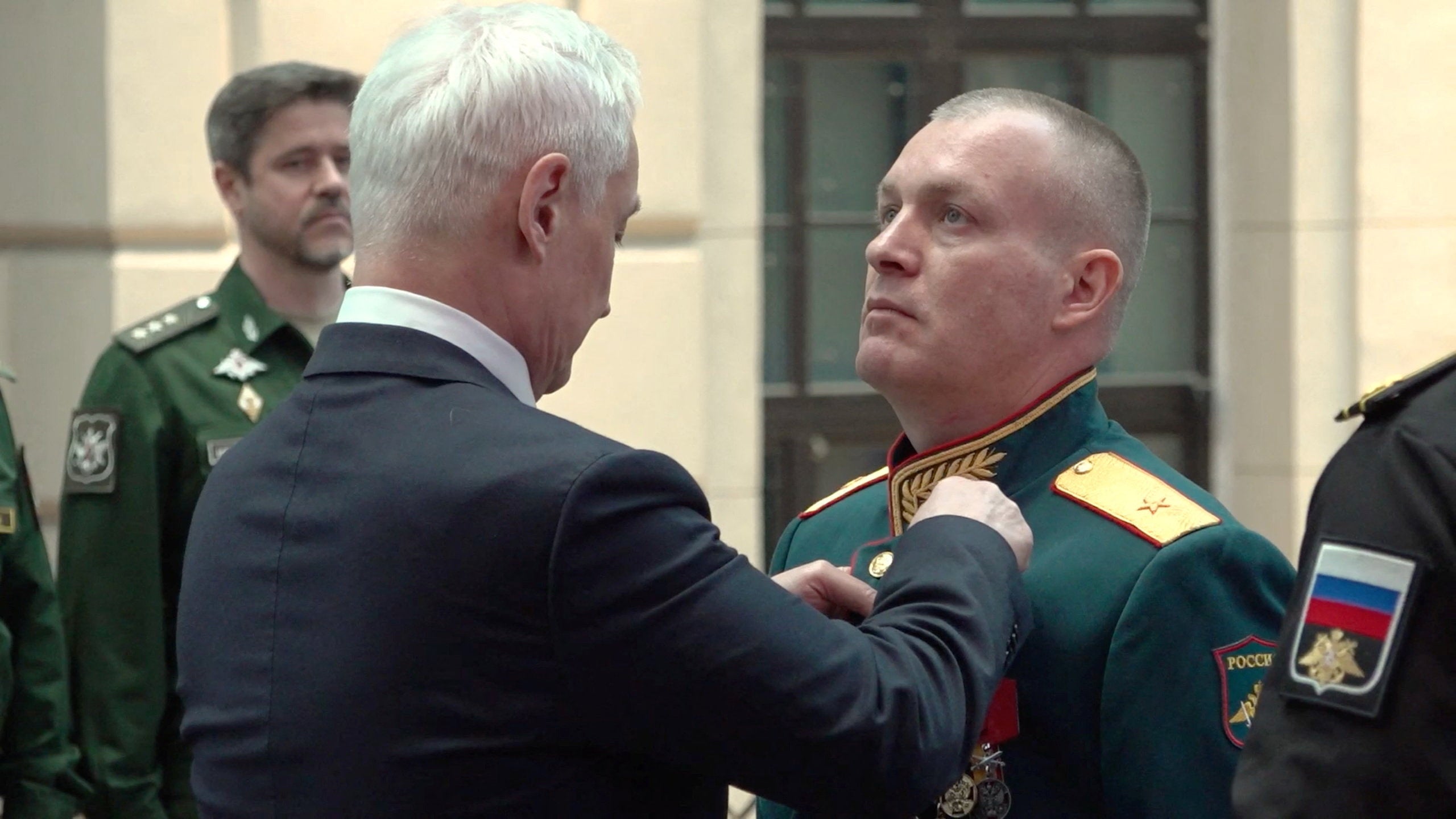
- Grunis received the Gold Star Hero of Russia award at a ceremony in Moscow in late August, shortly before his death.
- The claim of capturing Kostiantynivka is heavily disputed, with the US-based Institute for the Study of War stating that Russian forces had infiltrated but not fully seized the city.
Ukrainian drone forces have successfully targeted Major General Anton Grunis, who was recently honored with the Hero of Russia award. The strike occurred on September 12 in the Donetsk region, marking Grunis as the seventh Russian commander eliminated by Ukrainian drones.
Grunis had previously reported to Vladimir Putin about his troops' involvement in the disputed capture of Kostiantynivka, a claim that remains heavily contested. The Institute for the Study of War noted that while Russian forces had infiltrated the city, they had not fully seized it, indicating that Russia's claims are part of a broader information strategy to depict Ukrainian defenses as weakening.
Ukrainian drone commander Robert Brovdi confirmed the strike, stating, “General Grunis was eliminated on September 12,” in a post on Telegram. Russian commander Apti Alaudinov also acknowledged Grunis's death, although details were sparse. Grunis had received the Gold Star medal for his military efforts just weeks prior, on August 28, during a ceremony in Moscow.
This incident underscores the ongoing volatility in the region and the significant impact of drone warfare in the conflict.
“Brovdi said Grunis was the seventh Russian military commander killed by his drone forces, and the Institute for the Study of War noted Russian forces had only infiltrated, not fully seized, Kostiantynivka. The capture claim was part of a wider information campaign to portray Ukrainian frontlines as collapsing.”
 The Independent
 The Guardian