
- Ukrainian forces conducted a large-scale strike against Russia on the night of June 17 to 18, heavily targeting Moscow City and striking the Moscow Oil Refinery for the second time in two days.
- Ukrainian drones set a Moscow refinery ablaze in a major attack on the Russian capital, causing extensive damage and viral explosions.
- This attack represents a milestone in Ukrainian drone capability, indicating their long-range strike power.
- The coordinated assault involved various drone types, demonstrating sophisticated planning and targeting improvements.
- The strike targeted a critical AVT-6 distillation unit, potentially crippling the refinery's entire 12 million tons/year capacity.
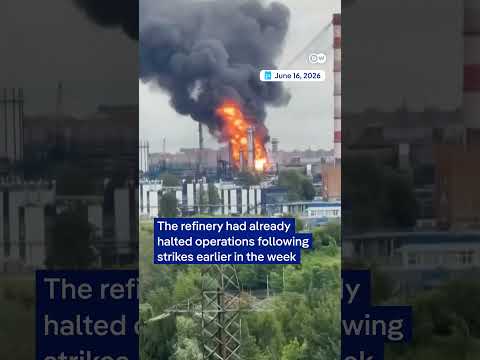
- Thick, black smoke and occasional flames spewed from the Moscow Oil Refinery, disrupting hundreds of flights at its airports.
- The attack temporarily halted flights from four Moscow airports, with over 500 delayed or canceled flights reported.
- Ukraine has repeatedly targeted Russian oil facilities to cut Moscow's revenue for the war and make Russians feel the consequences of the invasion.
- Ukrainian President Volodymyr Zelenskyy stated that the strikes against Moscow City were in response to the Russian strike on the Kyiv-Pechersk Lavra.
- Repeated Ukrainian strikes against heavily defended Russian areas continue to expose Russia’s weaknesses in air defense.
- Russia is reportedly importing gasoline from unspecified Asian countries to respond to domestic shortages likely to worsen.
Ukraine's recent drone attack on a Moscow oil refinery marks a significant escalation in its long-range strike capabilities. The assault, which occurred on Thursday, resulted in extensive damage, including a fire at five locations within the facility, and disrupted over 500 flights at nearby airports.
The strike targeted a critical AVT-6 distillation unit, which has a capacity of 6 million tons per year, potentially crippling the refinery's total capacity of 12 million tons annually. This attack underscores Ukraine's emergence as a "drone superpower", raising global concerns about the effectiveness of air defenses in modern warfare.
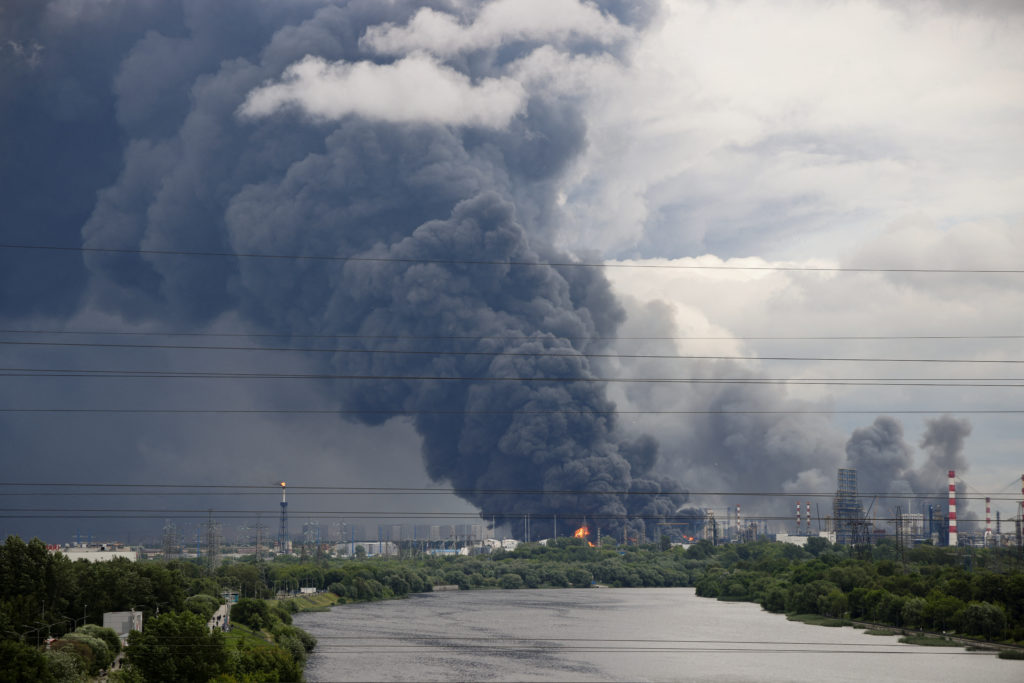
Moscow Mayor Sergei Sobyanin reported that the fire was "largely contained", but the attack sent thick black smoke billowing over the city, located just 15 kilometers (9 miles) from the Kremlin. The refinery is one of Russia's largest, producing over a third of the region's fuel.
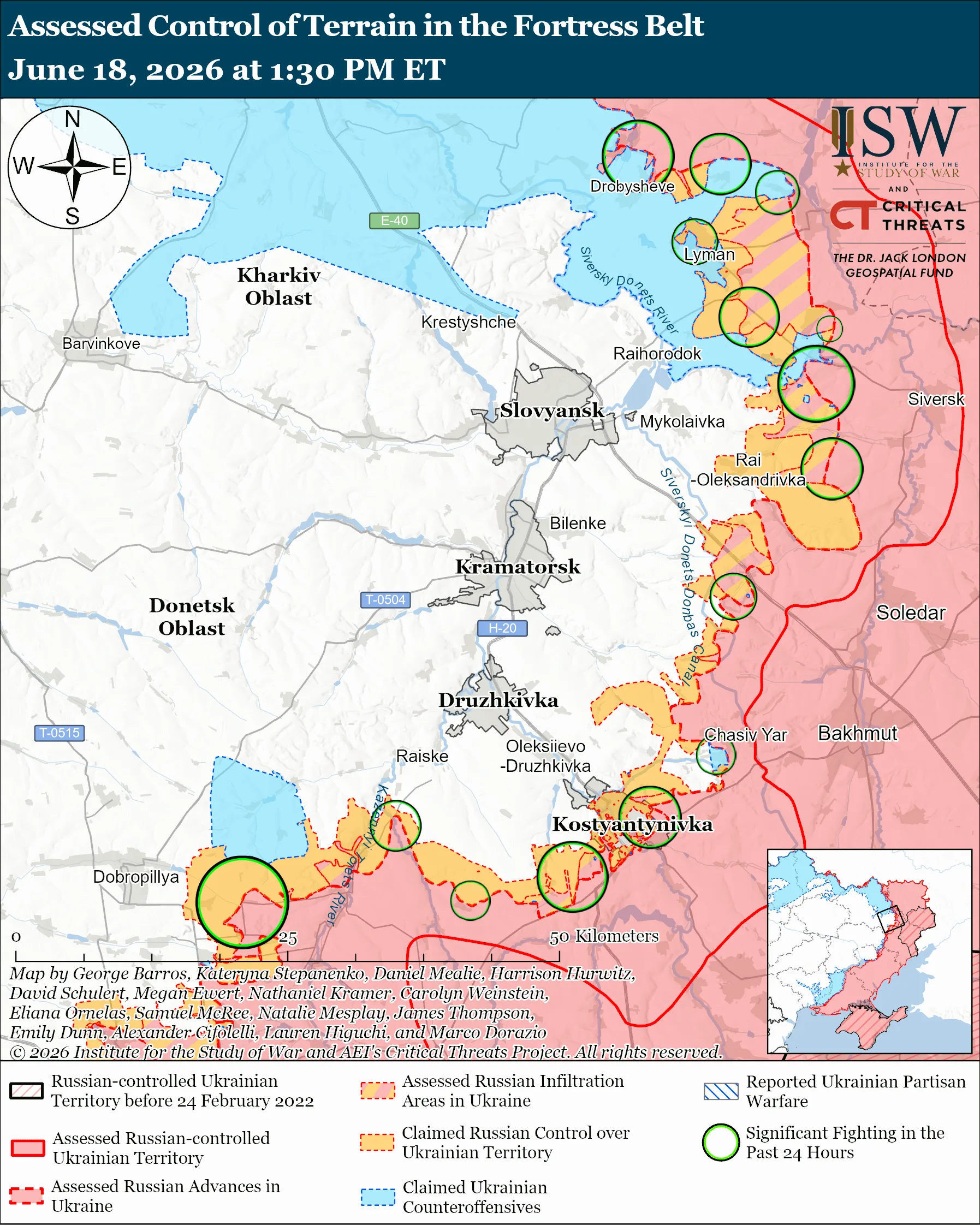
Ukrainian President Volodymyr Zelenskyy stated, "If Ukraine is going to burn, your Moscow will burn too," emphasizing the attack's role in pressuring Russian President Vladimir Putin to negotiate. The strike is part of Ukraine's strategy to target Russian oil facilities, aiming to diminish Moscow's war revenue and impact public sentiment.10
The attack's cost was estimated at $50,000 per drone, comparable to the price of four Tomahawk cruise missiles, highlighting the financial efficiency of Ukraine's drone operations. As the conflict continues, the implications of this attack on both military strategy and international relations remain significant.
“The recent drone strike on the Moscow Oil Refinery represents a major escalation in Ukraine's long-range strike capabilities, targeting a critical facility. This attack has raised concerns about the effectiveness of Russian air defenses and the potential for further disruptions in the region.”


 Forbes