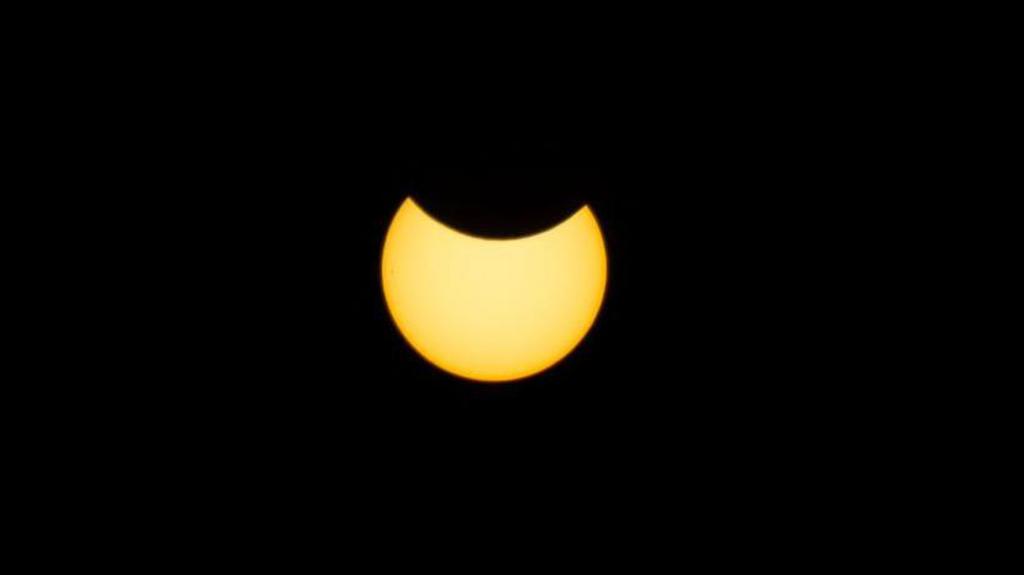
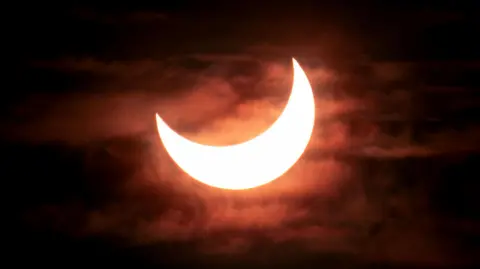
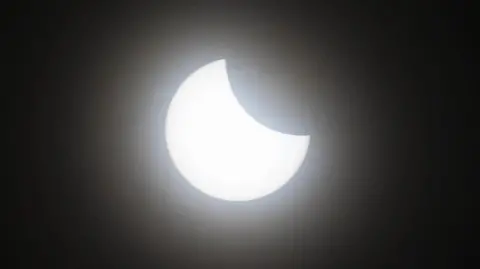
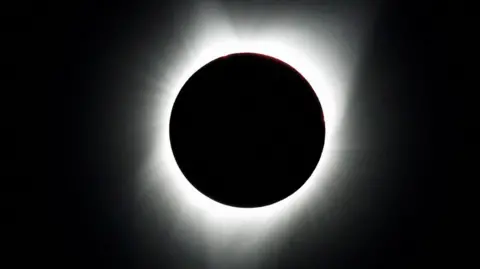
- The eclipse began in Russia's remote Arctic north and traced an arc over much of western Europe, with the most sought-after experiences in Greenland, Spain, and a small strip of Portugal, where totality was on offer.
- Millions across Europe shared a moment of awe as an eclipse blocked out the sun, plunging parts of the continent into daytime darkness, with temperatures dropping and birds going quiet.
- In Iceland, people flocked by air, land, and sea for the country's first total solar eclipse in 72 years, with a record 31 cruise ships carrying about 53,000 passengers and crew, amid concerns about clouds.
- Eclipse-themed activities in Iceland included a day-long music festival hosted by Björk in Vöðistaðatún park, with a 10-hour set list including two minutes for totality and every ticket including approved solar eclipse glasses.
- NASA followed the eclipse from Iceland using a high-altitude WB-57 aircraft and launched balloons to study the atmospheric impact of the sudden darkness and cooling.
- In Spain, more than 450,000 tourists arrived from as far as Canada and Australia, with Spanish officials estimating up to six million people would flock to the path of the eclipse, which stretched about 124 miles (200km) from A Coruña to Mallorca.
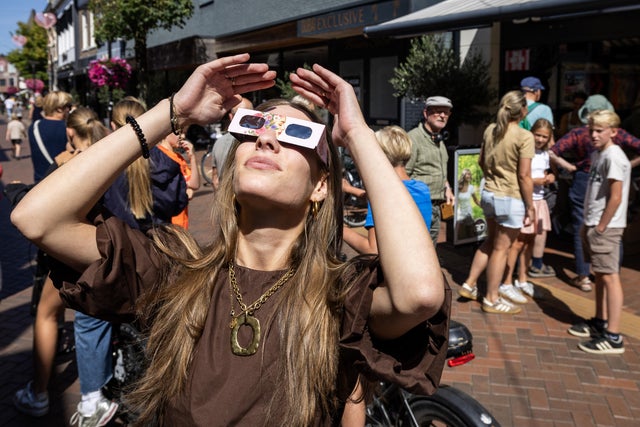
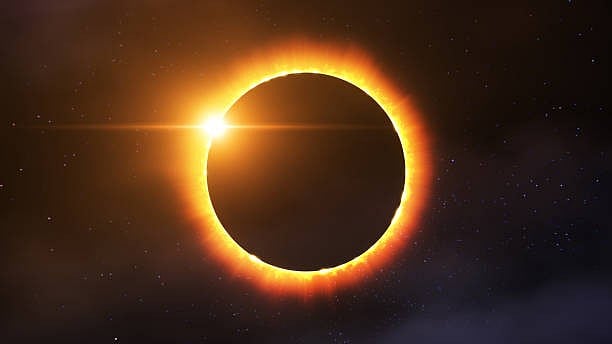
- In Madrid's Parque del Oeste, hundreds gathered, cheering as the moon covered the sun and gasping at the corona, with astronomer César González calling it a spectacular experience and describing the effects: light dims, temperature drops, birds stop singing, lasting about 1 minute and 45 seconds.
Millions flocked to witness a total solar eclipse that swept across Europe, with prime viewing spots in Greenland, Spain, and Portugal.1231011
The eclipse began in Russia's Arctic north and traced an arc over western Europe, plunging parts of the continent into darkness.
In Spain, officials estimated six million people traveled to the eclipse's path, which spanned approximately 124 miles (200km) from A Coruña to Mallorca.
In Madrid's Parque del Oeste, crowds cheered as the moon obscured the sun, creating a breathtaking spectacle.121314
“It was one of the most beautiful things I’ve ever seen in my life,” said Sara García Alonso, a reserve astronaut for the European Agency.
In Iceland, the first total solar eclipse in 72 years drew thousands, with over 450,000 tourists arriving from around the globe.56
A record 31 cruise ships navigated the waters off the western coast, catering to about 53,000 passengers and crew.
The eclipse coincided with a music festival hosted by Björk, featuring a 10-hour set that included a moment for totality.78
NASA also participated, using a high-altitude aircraft to track the moon's shadow and launching balloons to study the eclipse's atmospheric effects.
“In broad daylight, all of a sudden the light dims to a point where you can see the brightest stars in the sky,” explained astronomer César González.
The eclipse lasted around 1 minute and 45 seconds, during which temperatures dropped and wildlife behavior changed dramatically.
“In Iceland, a record 31 cruise ships carried about 53,000 passengers and crew hoping for clear skies, while NASA tracked the moon's shadow with a WB-57 aircraft. In Spain, over 450,000 tourists arrived, with officials estimating up to six million would flock to the path stretching from A Coruña to Mallorca.”


 theguardian.com