- Wu Chi-wai was released from a Hong Kong prison in late June after serving four years and five months for conspiracy to commit subversion related to a 2020 unofficial primary election.
- Upon his arrival at Heathrow Airport, Wu was stopped by authorities and informed he could only stay for seven days.
- Border Force officials are now 'revisiting the case' regarding Wu's immigration order, according to his lawyer.
- The UK is reviewing an immigration order that requires Wu to leave after a week's visit, which appears to contradict the UK's policy on its former colony.
- Wu Chi-wai is appealing the UK government's decision to grant him only seven days' temporary admission, requiring him to leave by Wednesday.
- A letter has been sent to the Home Office asking them to reconsider the decision, with the possibility of a judicial review if the appeal is rejected.
- Wu's treatment has raised concerns among the Hong Kong community in Britain, especially given the UK's broader stance on residency for Hong Kongers since the national security law was imposed in 2020.
The UK government is re-examining a deportation order for Wu Chi-wai, a former opposition leader from Hong Kong, who was granted only seven days of temporary admission upon his arrival.125
Wu, who was released from prison in June after serving four years and five months for subversion, was informed at Heathrow Airport that he must leave by Wednesday.
His lawyer, Paul Harris, indicated that Border Force officials are now 'revisiting the case', following concerns that the order contradicts the UK's established policy towards Hong Kong residents.3
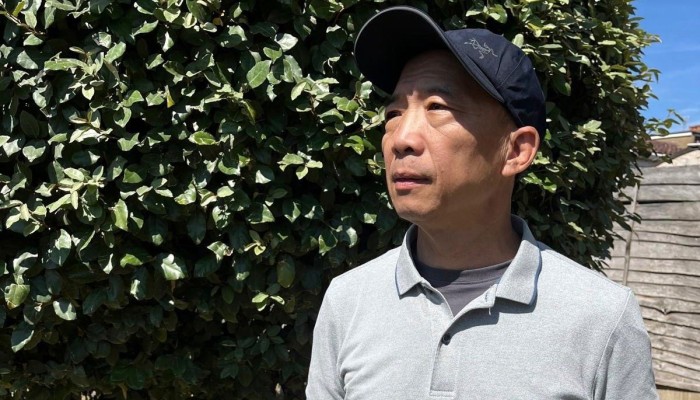
Wu's treatment has raised alarms within the Hong Kong community in Britain, especially as the UK has eased residency requirements for British National (Overseas) passport holders since the imposition of China's national security law in 2020.
The British government estimated that 170,000 Hong Kongers have moved to the UK since 2021, with an additional 26,000 expected in the next five years.
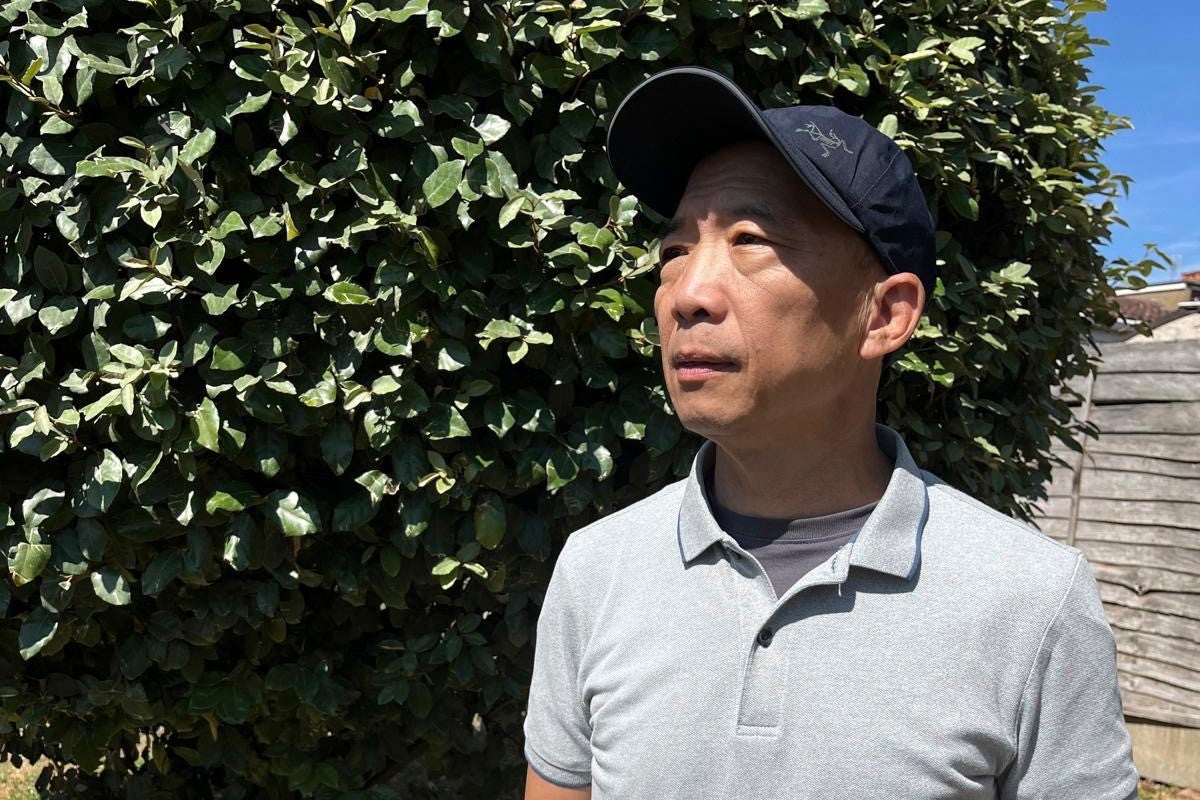
Wu, who was the former chairman of the now-defunct Democratic Party, was among 47 activists charged under the national security law, which has severely restricted democratic freedoms in Hong Kong.
He has appealed the UK government's decision and has written to the Home Office requesting a reconsideration, with the possibility of seeking a judicial review if the appeal fails.6
The Home Office has not commented on individual cases but maintains its commitment to the Hong Kong community in Britain.
“Wu Chi-wai, who was released from prison in June after a subversion conviction, is appealing the UK’s decision to limit his stay to just seven days. His case has raised alarms within the Hong Kong community in Britain, prompting discussions about the UK’s immigration policies regarding former residents.”
 South China Morning Post
 The Independent



