
- Keir Starmer announced Monday that he will stand down as Labour leader and prime minister, ending months of political turmoil and opening a contest to replace him.
- Starmer's decision to resign comes after mounting pressure from his own lawmakers and follows disappointing results in local elections.
- Starmer's popularity ratings have sunk to the lowest for any British leader, contributing to his decision to resign.
- His resignation sets the country on the path for a sixth leader in seven years, highlighting ongoing political instability.
- Starmer stated, "Every decision I have taken has been about putting the country I love first."
- Starmer's leadership has faced intense scrutiny due to a series of u-turns and disastrous local election results.
- The political landscape has shifted significantly since Starmer led Labour to one of its largest parliamentary majorities in the 2024 general election.
UK Prime Minister Keir Starmer announced his resignation on Monday, stating, "Every decision I have taken has been about putting the country I love first." His decision comes amid intense pressure from Labour lawmakers and follows disappointing local election results that highlighted his declining popularity.15
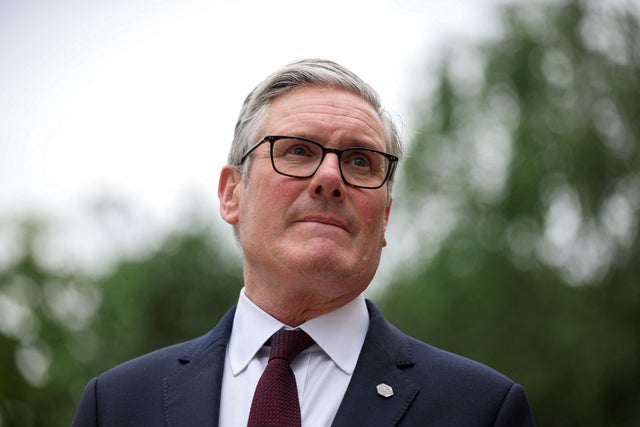
Starmer's leadership faced mounting challenges, with his popularity ratings plummeting to the lowest for any British leader. The announcement marks the end of a tumultuous reign, just two years after he led Labour to a significant parliamentary majority in the 2024 general election.7
The political landscape is shifting as Starmer prepares to step down, paving the way for Britain's seventh leader in a decade. He indicated that he would remain in office until a new Labour leader is selected, with a timetable for the leadership process to be announced soon.

Starmer's resignation follows a series of internal rebellions and a political rival's challenge, which made his position increasingly untenable. The Labour Party is now set to navigate a leadership contest, with nominations expected to open on July 9, just before Parliament's summer break.

As the UK braces for further political instability, Starmer's departure underscores the challenges facing the Labour Party and the broader implications for British governance in the coming years.
“Keir Starmer has announced his resignation as UK Prime Minister, ending a tumultuous leadership marked by declining popularity and internal party pressure. His departure opens the way for Britain's seventh leader in a decade.”



 CNBC
CNBC CBS News