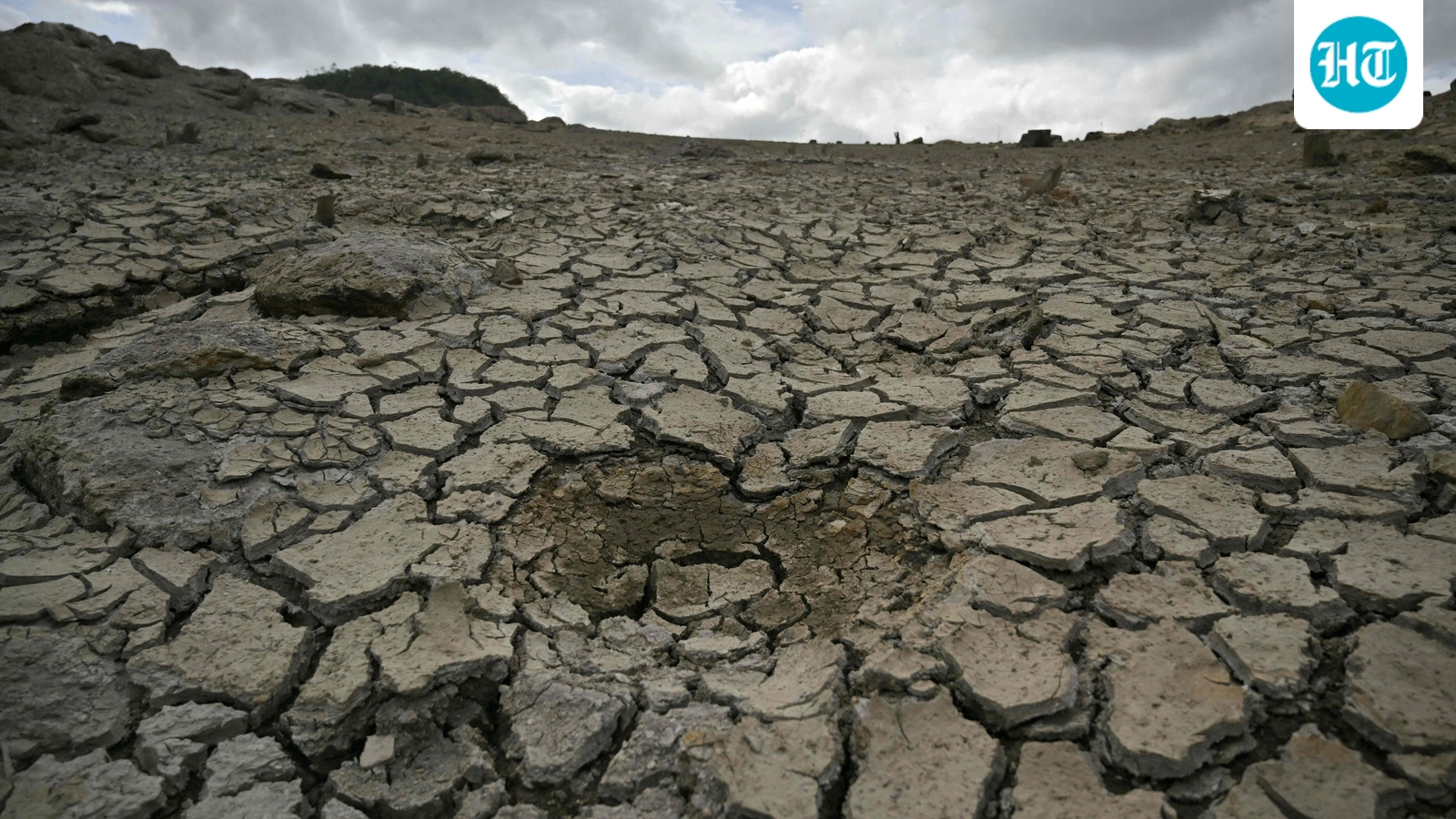
- The UK Met Office said the current developing El Niño could be the strongest since the 19th century, with some forecasts predicting Pacific sea surface temperatures could rise more than 3°C above normal by late-2026 or early-2027.
- India's monsoon is currently 13 per cent below normal, and 40 per cent of the country has received at least 20 per cent below-average rainfall, threatening crop yields and the wider economy.
- The current El Niño is expected to peak between late-2026 and early-2027, but its influence on weather could last much longer as the heat it generates may persist for months after it weakens.
- Even after El Niño reverses, air temperatures could remain unusually hot for several months, increasing the risk of extreme heat during spring and early summer over parts of India, potentially making 2027 one of the hottest years on record globally.
- A potentially unprecedented El Niño, with Pacific sea surface temperatures climbing towards record levels, is disrupting India's monsoon and could lead to an exceptionally hot summer in 2027.
- An El Niño event temporarily adds around 0.2°C to 0.3°C to the planet’s average surface temperature during its peak and decay, on top of roughly 1.4°C of human-caused global warming, which could make 2027 an exceptionally warm year globally.
- Analysis of 125 years of monsoon behaviour found rainfall was deficient in only 43 per cent of El Niño years, but almost all exceptionally strong El Niño events are associated with large monsoon deficits or drought.
- Scientists note that El Niño is part of an oscillatory system and will eventually reverse, with natural processes pushing the Pacific towards La Niña.
The UK Met Office has indicated that the current developing El Niño could be the strongest since the 19th century, with Pacific sea surface temperatures potentially exceeding 3°C above normal by late-2026 or early-2027. This phenomenon is disrupting India's monsoon, which is currently 13% below normal, affecting 40% of the country that has received at least 20% below-average rainfall, threatening crop yields and the economy.125678910
Madhavan Rajeevan, an atmospheric physicist, stated, “The one thing we know with absolute certainty is that the El Niño will reverse.” He explained that El Niño is part of an oscillatory system involving the ocean and atmosphere, suggesting it will eventually swing back.
Jerome Vialard, a climate scientist, noted that El Niño events temporarily add around 0.2°C to 0.3°C to the planet's average surface temperature, on top of 1.4°C of human-caused global warming since pre-industrial levels. This combination could lead to 2027 being exceptionally warm globally.
Research indicates that after strong El Niño events, there is an increased risk of extreme heat in India, with Roxy Mathew Koll stating that the lingering heat could make 2027 one of the hottest years on record.
“Pacific sea surface temperatures may climb more than 3°C above normal by late-2026 or early-2027, with 40% of India receiving at least 20% below-average rainfall. Scientists note El Niño will eventually reverse, but lingering heat could make 2027 one of the hottest years on record globally.”