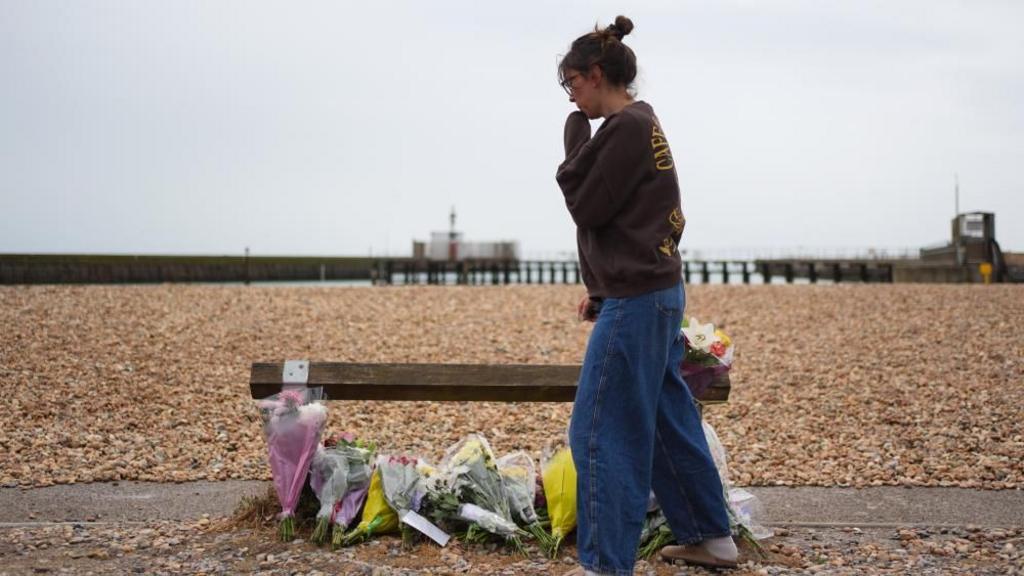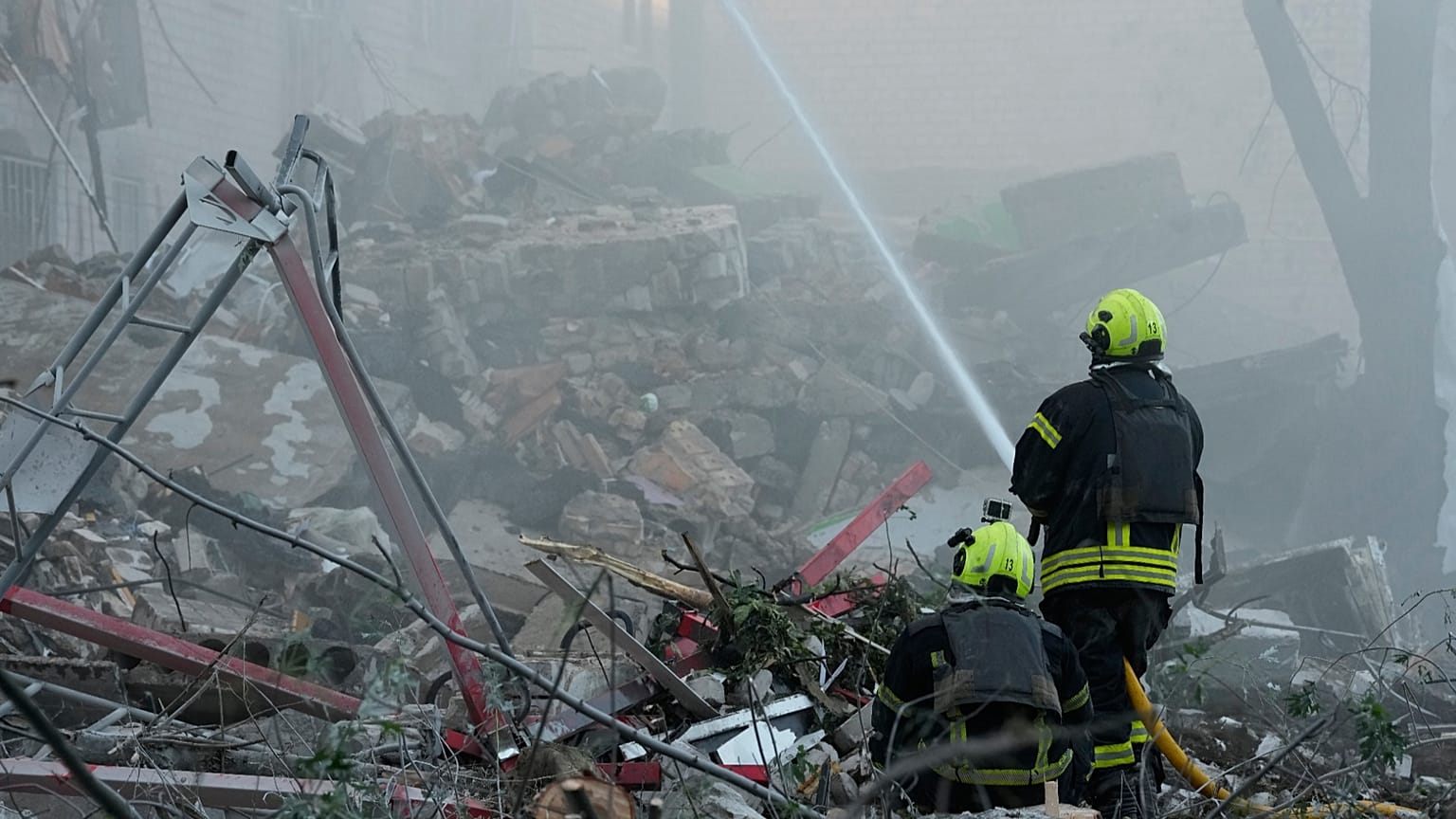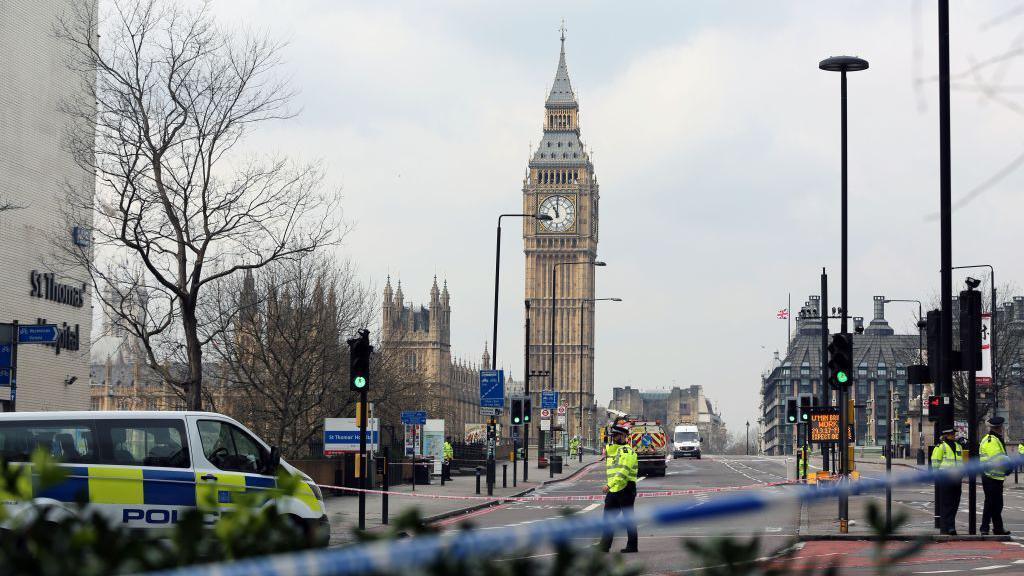
- The UK is observing its first national day for victims and survivors of terrorism, with a ceremony in London including reflections, readings, and a two-minute silence.
- The national day was introduced following a government review that found many people needed more support, and it also led to a dedicated support hub for victims and survivors.
- The day will take place annually on 21 August, aligning with the United Nations International Day of Remembrance and Tribute to the Victims of Terrorism.
- Travis Frain, who campaigned for this day for nearly five years, was injured in the Westminster attack in March 2017 when a car hit him; he says it is "morally correct that we should be remembering those lost to terrorism".
- Figen Murray, mother of Martyn Hett who was killed in the Manchester Arena bombing in 2017, says the day "will bring people together who often feel isolated" and that the attack affected her whole family.
- A report by Survivors Against Terror (SAT) says psychological support for victims has improved, but no progress has been made to the state compensation scheme; SAT co-founder Brendan Cox welcomes the day but warns "survivors also want it to be a moment of accountability".
- Lisa Ghiggini, who survived the London Bridge attack in 2019, highlights ongoing resource gaps: "At the moment we still have members who don't have the resources to build a downstairs toilet following attacks that have left them struggling to walk".
- The ceremony will feature an installation of 1,000 paper cranes, inspired by Sadako Sasaki, each made by or for a person affected by a terrorist attack, representing attacks worldwide.
The UK marks its first national day for victims of terrorism on August 21, aligning with the UN's International Day of Remembrance. Travis Frain, who campaigned for nearly five years, reflects on the importance of remembrance, stating it is "morally correct that we should be remembering those lost to terrorism."
Figen Murray, mother of Manchester Arena bombing victim Martyn Hett, believes the day will unite those who feel isolated. She poignantly notes that the attack's impact has changed her family forever, saying the bomber "may as well have detonated his bomb in our living room."1011
Despite the establishment of a dedicated support hub for victims, a report by Survivors Against Terror (SAT) highlights ongoing issues, particularly with the Criminal Injuries Compensation Authority. Co-founder Brendan Cox emphasizes the need for accountability, stating, "survivors also want it to be a moment of accountability."3451213
Lisa Ghiggini, a survivor of the London Bridge attack, underscores the practical challenges faced by victims, revealing that some lack resources for essential modifications to their homes following life-altering injuries. The day serves as a reminder of the ongoing struggles faced by those affected by terrorism, as they seek recognition and support from the state.14
“The ceremony features an installation of 1,000 paper cranes, each made by or for a person affected by a terrorist attack, inspired by Sadako Sasaki. Survivors Against Terror reports improved psychological support but no progress on the state compensation scheme, as Brendan Cox warns survivors want accountability.”