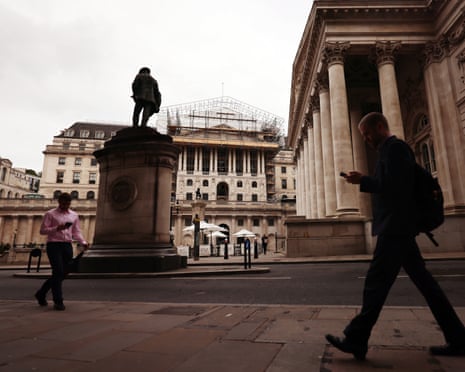
- The UK government was forced to pay the highest interest rate for a 30-year bond since 1998 on Tuesday, underlining the fiscal challenges facing the chancellor, John Healey.
- The Treasury paid 5.82% to borrow £34bn, the highest rate since the Debt Management Office was established in 1998.
- Britain sold £34.25 billion ($5.75 billion) of 30-year bonds on Tuesday with the highest yield since comparable records began in 1998, casting a shadow over new finance minister John Healey's plans for his first budget.
- Higher interest rates on government borrowing are expected to wipe out at least half of the £24bn headroom that Rachel Reeves built up at her spring forecast in March, according to the Office for Budget Responsibility forecast before the budget on 28 October.
- Markets have been spooked by fears of a fresh rise in inflation after the resumption of the Middle East conflict increased oil prices, and investors fretting about the risks of rising public debt.
- Britain has the second-highest government borrowing costs among larger advanced economies after Australia, and last week global concerns about inflation lifted 30-year gilt yields to their highest since early 1998.
- Bank of England governor Andrew Bailey told MPs that the latest rise in oil prices were putting pressure on inflation and interest rates, with risks on the upside coming from energy prices.
The UK government faced a significant fiscal challenge as it paid the highest interest rate for a 30-year bond since 1998, borrowing £34 billion at 5.82%. This rate reflects rising inflation fears and increased public debt, complicating Chancellor John Healey's budget plans ahead of the October 28 forecast.1234
The Debt Management Office reported that the yield of 5.8168% on the 2056 gilt auction was the highest since its establishment in 1998, exceeding the previous record of 5.79% set in May 1998. The auction attracted £87.2 billion in orders, indicating strong demand despite rising costs.
Chancellor Healey's predecessor, Rachel Reeves, had projected a modest £24 billion leeway for fiscal goals, but recent geopolitical tensions, including the conflict in the Middle East, are expected to worsen public finances. The Office for Budget Responsibility forecasts that debt interest costs will reach £109 billion this year, accounting for 8.4% of public spending.5

Bank of England Governor Andrew Bailey noted that rising oil prices are putting additional pressure on inflation and interest rates, stating, “The risks, I’m afraid, are on the upside.” He emphasized that higher borrowing costs have already impacted consumers significantly.8
As the government navigates these fiscal pressures, the upcoming budget will be crucial in addressing the challenges posed by rising interest rates and public debt.
“The 5.375% 2056 gilt was sold via syndication with a yield of 5.8168%, exceeding the previous record of 5.79% set in May 1998. Investors placed £87.2bn in orders, with 71% from domestic buyers, and DMO chief Jessica Pulay cited "very strong participation from a broad variety of high-quality investors."”
 The Guardian