- Met Office Chief Forecaster Neil Armstrong said the last few days marked just the latest extreme heat "in a remarkable summer", but added that temperatures could still hover over 30C in the south, with a gradual return to average over the next few days.
- Phil Garrigan, chair of the National Fire Chiefs Council, said firefighters "have been responding to a high volume of challenging incidents in extremely difficult conditions throughout the summer".
- Prime Minister Andy Burnham said "it's probably been the hardest summer for British farming in a generation" and announced £65m to support farmers during the drought, stating "They’re on the frontline of a changing climate, and they shouldn’t be left to face it alone."
- A fire in Powys, Wales, burnt 769 hectares and is under control.
- A fire in Kettering affected both sides of the riverbank, covering approximately 200 metres by 200 metres.
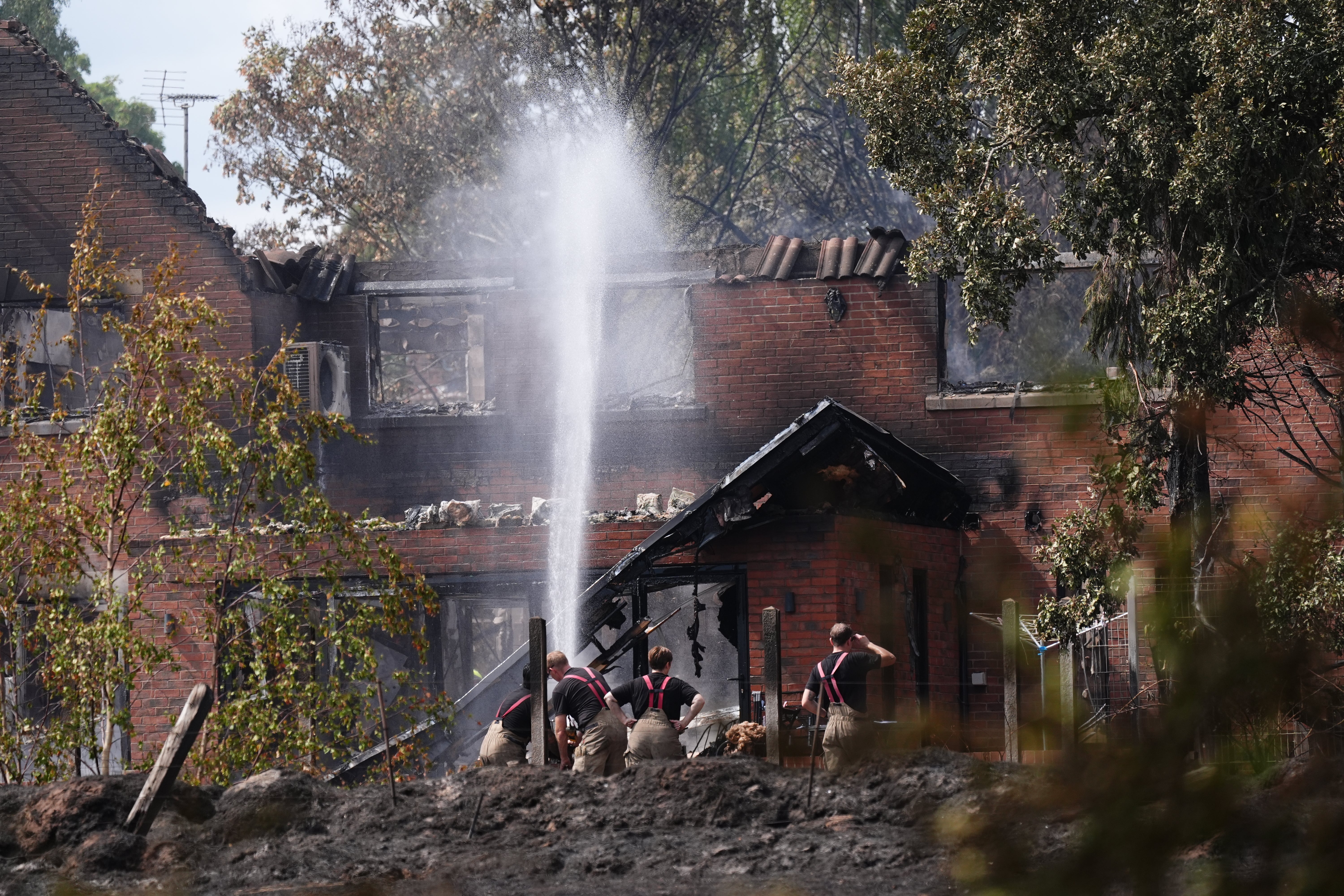
- Network Rail urged commuters to check journeys after a blaze burned near the railway between Stourbridge Junction and Hagley, closing part of the Snow Hill Line; the line is expected to remain closed throughout the weekend and early next week, with around 500 acres affected and multiple exclusion zones in place.
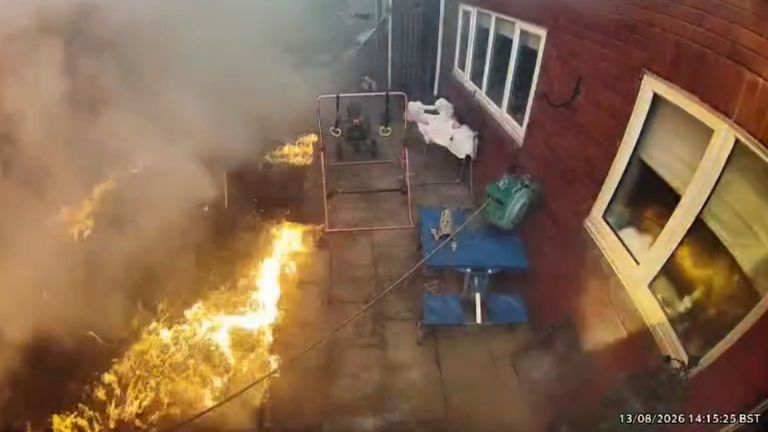
- Tom Morgan, Hereford and Worcester Fire Rescue group commander, described the UK as under "tinderbox conditions" and said the main causes behind the blazes are predominantly "accidental human activity", such as burning garden refuse, barbecues, fire pits, and discarded glass bottles.
- Some in Wales initially received the emergency alert in Welsh, even if they did not speak the language, and were only sent the English version five minutes later.
UK heat health alerts remain in effect as wildfires, primarily caused by accidental human activity, continue to spread. The situation has been exacerbated by extreme heat, with temperatures expected to exceed 30C in southern regions.
The Met Office's Chief Forecaster, Neil Armstrong, noted that the recent heatwave is part of a remarkable summer, but relief may be on the horizon as temperatures gradually return to average.1
In Wales, the emergency alert system caused confusion, with some residents receiving alerts in Welsh before the English version, leading to panic. The alert was issued as wildfires burned across the region, including a significant fire in Powys that has consumed 769 hectares.59
Phil Garrigan, chair of the National Fire Chiefs Council, stated that firefighters are facing a high volume of challenging incidents under difficult conditions. The fires have prompted warnings against common activities that could ignite further blazes, such as burning garden refuse and using barbecues.2
Andy Burnham, the Prime Minister, announced a £65 million support package for farmers affected by the drought, emphasizing the importance of food security in the face of climate change.34
As the situation develops, authorities urge the public to remain vigilant and avoid actions that could exacerbate the fire risk.
“The worst blaze, in Powys, Wales, has burnt 769 hectares and is under control, while a fire near Stourbridge closed the Snow Hill Line, affecting around 500 acres. Prime Minister Andy Burnham announced £65m to support farmers, calling it 'the hardest summer for British farming in a generation'.”