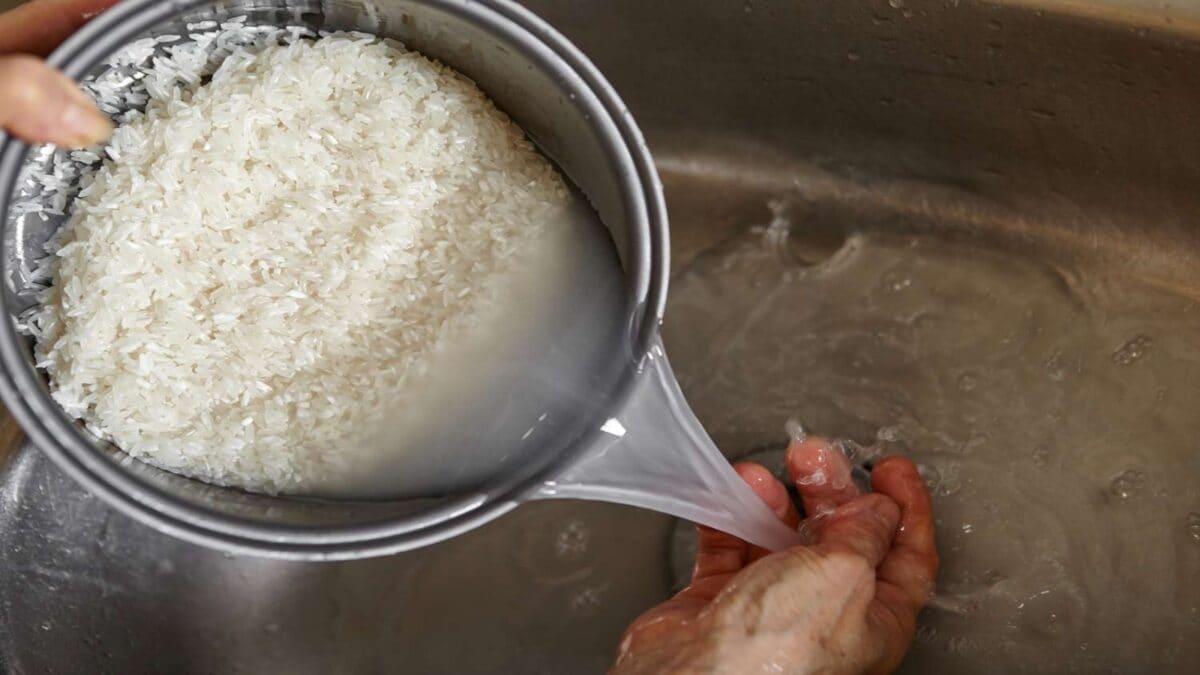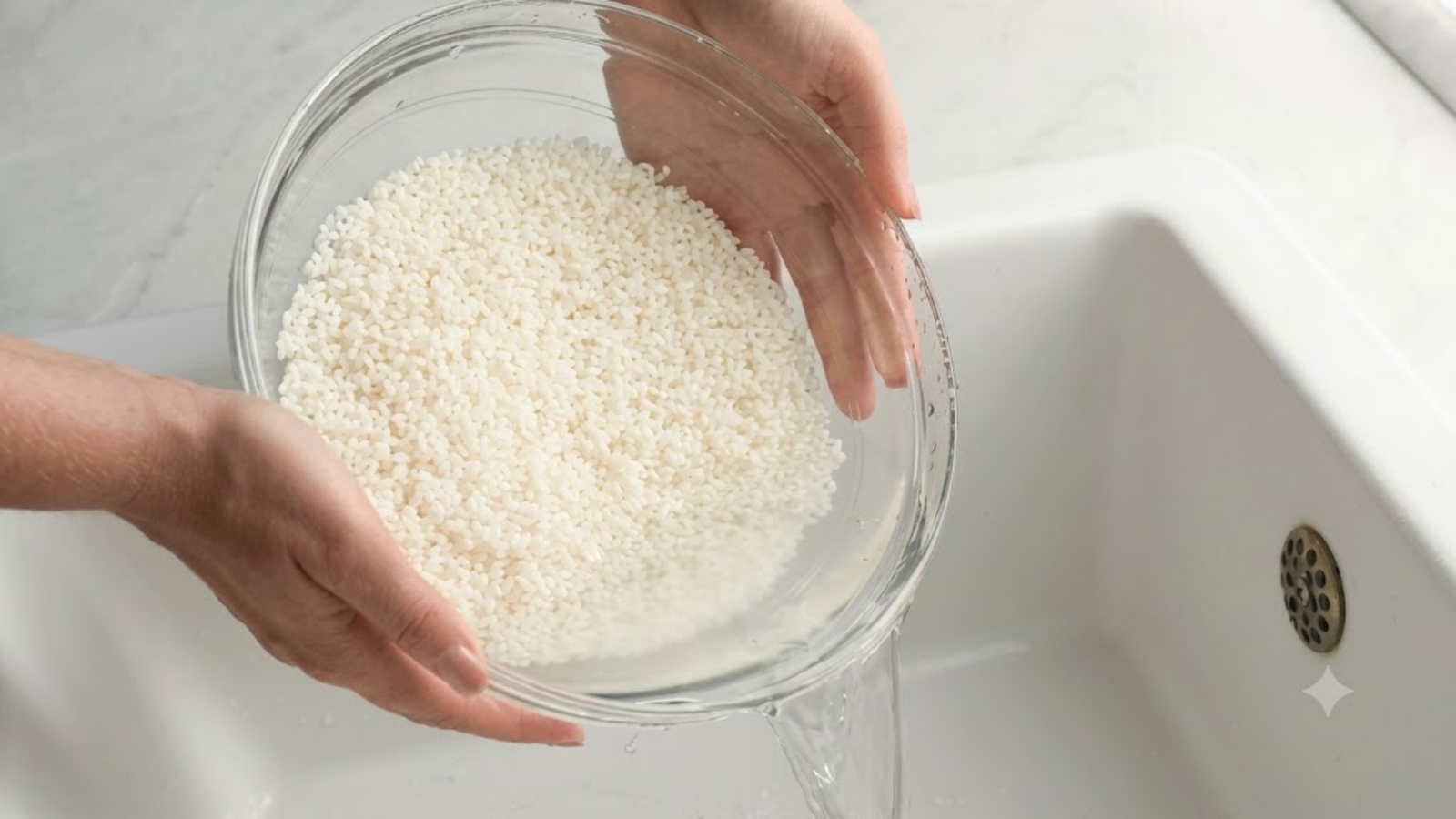
- The UK drought campaign is urging South Asian households to wash rice twice, not seven times, to save water.
- According to Dt Shalini Bliss, washing rice two or three times is generally sufficient for most households.
- Dt Bliss states that washing rice seven times does not make it much safer and that there is little evidence of meaningful additional health benefits over a thorough rinse two or three times.
- Dt Bliss notes that rinsing is not effective for removing arsenic from rice, and that cooking method and rice type/source are more important than the number of rinses.
- Over-rinsing can lead to loss of water-soluble and enriched nutrients such as iron, folate, thiamin and niacin, particularly in polished or parboiled rice.
A UK drought campaign is urging South Asian households to reduce rice washing from five to seven times to just two or three, as part of a £270,000 initiative aimed at promoting water conservation during drought conditions in England.
The campaign, backed by The Water Services Regulation Authority Ofwat’s Innovation Fund, seeks to engage various ethnic and faith communities in water-saving practices.
Dietitian Dt Shalini Bliss from PSRI Hospital states, “For most packaged rice, washing twice under clean running water or with fresh water is generally enough to get rid of dust, loose surface starch and minor impurities.” She further explains that “washing it over and over again seven times does not really make the rice much safer.”
Bliss highlights that there is “little evidence that washing rice five to seven times has any meaningful additional health benefits” compared to a thorough rinse of two or three times. She also warns that rinsing is not effective in removing arsenic from rice, stating, “If you are concerned about arsenic exposure, the way you cook and the type/source of rice is more important than simply increasing the number of rinses.”
Moreover, she cautions that “over-rinsing can result in loss of some water-soluble and enriched nutrients, such as iron, folate, thiamin and niacin, particularly in polished or parboiled rice.” The practical balance for most households is to rinse rice until the water is reasonably clear, rather than striving for complete transparency.
Specialized cooking methods with excess water may significantly decrease arsenic while retaining more nutrients, according to Bliss.
“Dt Shalini Bliss of PSRI Hospital says rinsing is not effective for removing arsenic, and over-rinsing can strip water-soluble nutrients like iron and folate. She recommends rinsing until water is reasonably clear, not completely transparent.”
 The Indian Express