
- The UK government announced it would scrap the loophole on low-value parcel tariffs by October 2028, six months earlier than initially planned.
- The Chancellor Rachel Reeves had previously promised reforms in last year’s Budget, committing to a detailed framework by March 2029.
- Despite the accelerated timeline, the British Retail Consortium expressed that the changes do not go far enough to support high street businesses.
- The government's decision to close the small parcel import tax loophole has been met with dissatisfaction from retailers who feel the timeline is still too long.
- The current tax rules allow overseas retailers to send packages worth less than £135 to the UK without paying customs duties, creating an unfair advantage for online sellers.
- The government's move aims to ensure fairer competition between high street and online retailers, addressing concerns raised by the industry.
- Retailers have argued that the tax loophole undermines efforts to rejuvenate Britain's high streets, with claims that it causes significant revenue loss for the exchequer.
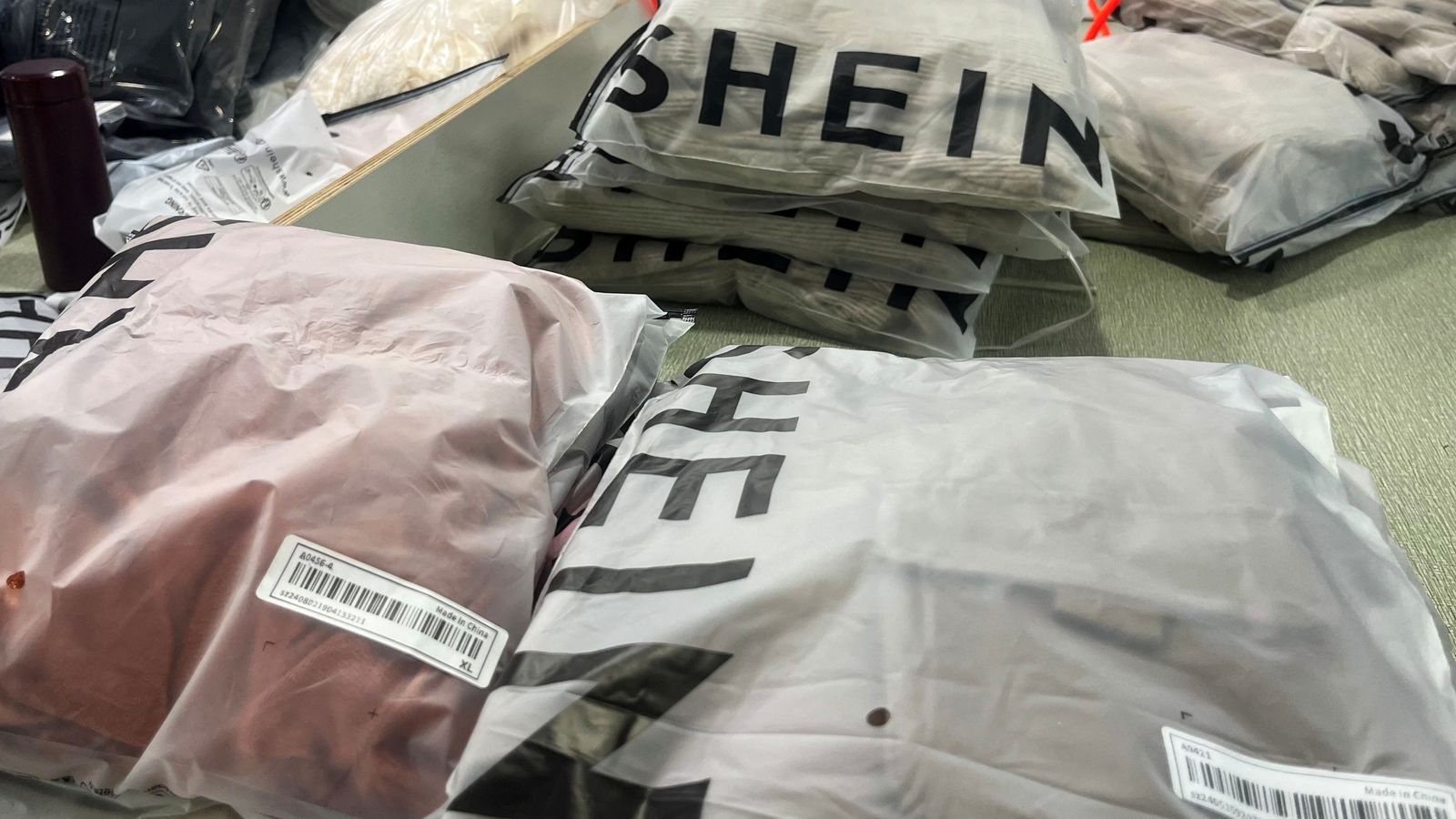
The UK government has accelerated its plan to eliminate customs duty relief on low-value imports, now set for October 2028, to support high street retailers against online giants like Shein.1
The move, announced by the finance ministry, aims to level the playing field for traditional businesses that have struggled against online competitors benefiting from a tax loophole allowing imports valued under £135 to enter the UK duty-free.7

Chancellor Rachel Reeves had previously set a deadline of March 2029, which was criticized by retailers as too slow. The British Retail Consortium (BRC) stated that the new timeline 'does not go far enough,' emphasizing that UK retailers cannot compete fairly against importers dodging tariffs.23
Helen Dickinson, chief executive of the BRC, remarked, 'A system that the government itself recognises damages UK high streets and loses the exchequer hundreds of millions in potential revenue is being left in place for two more years.'
The government’s decision to expedite the reforms is part of a broader strategy to enhance competition and support local businesses. Dan Tomlinson, Exchequer Secretary to the Treasury, stated, 'This action tackles the unfair competition and dodgy businesses that are doing real damage to our high streets.'
Additionally, the government is reviewing VAT collection for online sellers, with plans to use the revenue to improve business rates for high street establishments, including pubs and restaurants.
Despite these efforts, many retailers remain skeptical about the effectiveness of the changes, with George Weston, chief executive of Associated British Foods, expressing disappointment, stating, 'This is so dispiriting.'
“The UK government has brought forward the timeline to close the customs duty relief on low-value imports to October 2028. Despite this acceleration, major retailers argue that the new deadline remains too far off to ensure fair competition.”
 Financial Times