- Anonymous Tehran sources claim the August flights were part of a broader release of Iranian assets, with estimates ranging between $10 billion and $20 billion, including an alleged initial $3 billion transfer.
- Reports claim the August missions carried additional Iranian assets held within UAE banks, including between 1.5 and two tonnes of gold valued at approximately $212 million to $283 million, although no documentary or physical evidence has surfaced.
- Washington also rejected suggestions that regional governments had independently unlocked sanctioned Iranian assets, with one senior United States official describing an undisclosed UAE arrangement as “preposterous” and asserting that no unfrozen assets had been released.
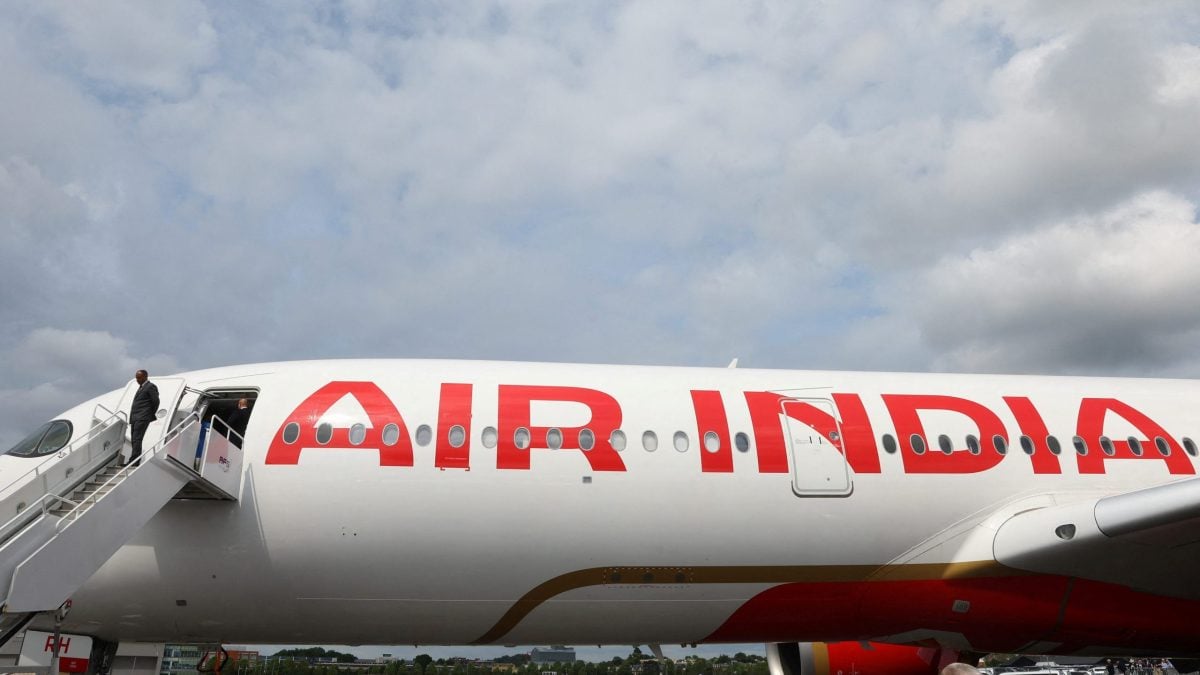
- Related claims allege that UAE-linked commercial networks facilitated the transfer of approximately 15 second-hand passenger aircraft to Iranian airlines, potentially helping Tehran replace aviation capacity lost during earlier phases of the 2026 conflict.
- The convergence of confirmed Royal Jet flights, earlier reported negotiations, changing Iranian targeting patterns and enduring Gulf vulnerability ensures the allegations possess strategic significance even while their central financial assertions remain unverified and officially disputed.
- The verified flights establish that high-level or sensitive travel occurred, but they do not independently demonstrate that the aircraft transported frozen assets, physical gold, cash, officials, intelligence personnel, or diplomatic communications.
Recent Royal Jet flights from Abu Dhabi to Tehran have ignited speculation about a clandestine deal involving billions in frozen Iranian assets. The flights, conducted on August 11 and 12, included a Boeing 737-7KK Business Jet, which made short trips to Tehran's Mehrabad and Payam airports.
The UAE Ministry of Foreign Affairs has categorically denied any involvement, stating that “no frozen Iranian funds have been released, transferred, or facilitated through the UAE.” U.S. officials echoed this sentiment, calling the arrangement “preposterous” and asserting that no unfrozen assets had been released.45
Despite the denials, anonymous sources in Tehran suggest that the flights were part of a broader release of Iranian assets, estimating the total value between $10 billion and $20 billion, including an alleged initial transfer of $3 billion.12
The August 11 mission reportedly connected Abu Dhabi with Tehran's Mehrabad Airport, where the aircraft remained for about an hour, while the August 12 flight to Payam Airport lasted around 30 minutes. However, no evidence has surfaced to confirm the transport of assets, such as gold or cash.
The UAE's rejection of these claims is significant, especially as it comes amid ongoing tensions regarding Iran's nuclear program and regional security. The convergence of confirmed flights and earlier negotiations adds strategic weight to the allegations, even as their financial assertions remain unverified.
Until credible evidence emerges, the flights are confirmed, but the alleged transfers remain speculative, highlighting the complexities of Middle Eastern geopolitics.
“Anonymous Tehran sources estimate the broader asset release at $10 billion to $20 billion, including an alleged initial $3 billion transfer. Separately, reports claim UAE-linked networks facilitated the transfer of about 15 second-hand passenger aircraft to Iranian airlines, potentially helping Tehran replace aviation capacity lost during the 2026 conflict.”