- Tyson Foods announced the closure of its Joslin, Illinois plant and Eagle Mountain, Utah facility, along with the sale of its Pasco, Washington facility.
- Employees at the Joslin plant were informed via letter that their jobs would end on Thursday or Friday, with some continuing past Aug. 14 and compensated through Oct. 12, 2026.
- About 2,500 union workers in Illinois lost their jobs due to the closure.
- Tyson cited a historic cattle shortage and limited heifer retention as reasons for these strategic changes.
- The company plans to shift capacity from the closed facilities to other locations and ramp up operations at its Amarillo, Texas plant.
Tyson Foods is closing its Joslin, Illinois beef plant and its Eagle Mountain, Utah facility, impacting 2,500 workers amid a historic cattle shortage. The company is also pursuing the sale of its Pasco, Washington plant as it faces significant operating losses.123467
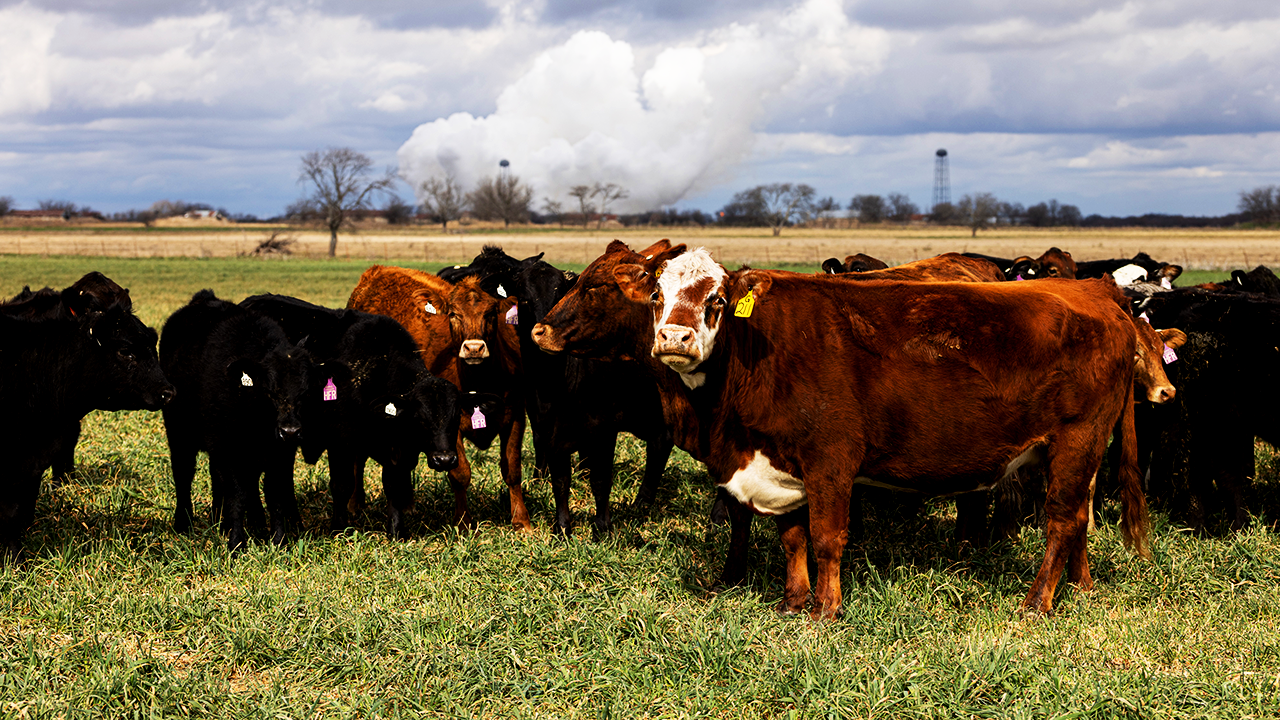
The closures come as the U.S. cattle herd has fallen to historically low levels due to drought, forcing ranchers to liquidate cattle. In its third quarter report, Tyson projected a 3% decrease in domestic beef production this fiscal year and anticipates an operating loss between $650 million and $500 million.
Tyson's beef segment reported a $138 million operating loss in Q3. CEO Donnie King acknowledged the challenges, stating, "Beef hasn't performed the way we expected, and we're not pretending otherwise." The company plans to shift capacity from the closed facilities to others with ample capacity, including ramping up a second shift at its Amarillo, Texas plant as cattle become available.89
Tyson emphasized its commitment to supporting affected employees, stating, "The company is committed to supporting our team members through this transition, including helping them apply for open positions at other facilities." The closures reflect ongoing pressures in the beef market, where consumers face elevated prices amid tight cattle supplies and higher costs.
“The company anticipates an operating loss of $500–$650 million, with its beef segment posting a $138 million Q3 loss. CEO Donnie King admitted, "Beef hasn't performed the way we expected," as USDA projects domestic beef production to fall 3% this fiscal year.”
 kwqc.com
 Fox Business





