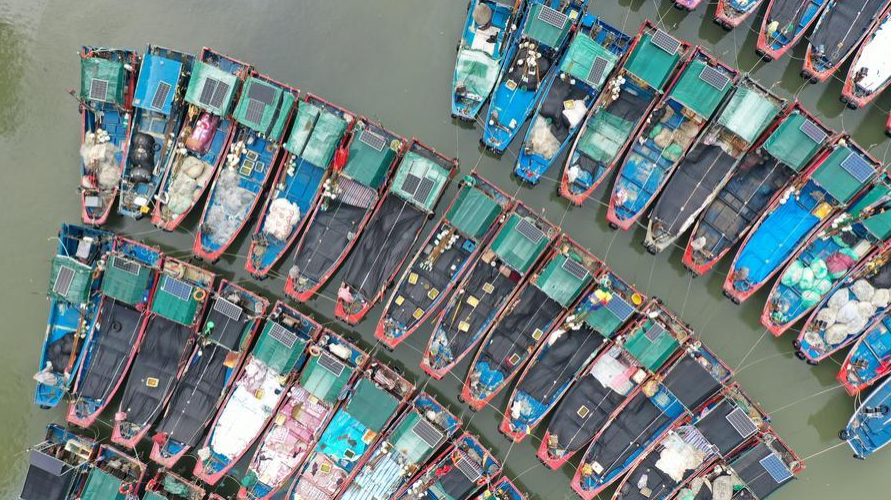
- Typhoon Narra has lingered over the Beibu Gulf, bringing heavy rain to Guangxi, Hainan, and Guangdong.
- Torrential rain triggered by Typhoon Narra caused widespread flooding across Guangxi, forcing tens of thousands to relocate.
- 54,000 people have been relocated due to the flooding, including 8,087 in emergency shelters.
- Water levels at 20 monitoring stations on 15 rivers exceeded warning thresholds.
- Aerial footage showed floodwaters engulfing parts of Chongzuo, with roads and buildings submerged.
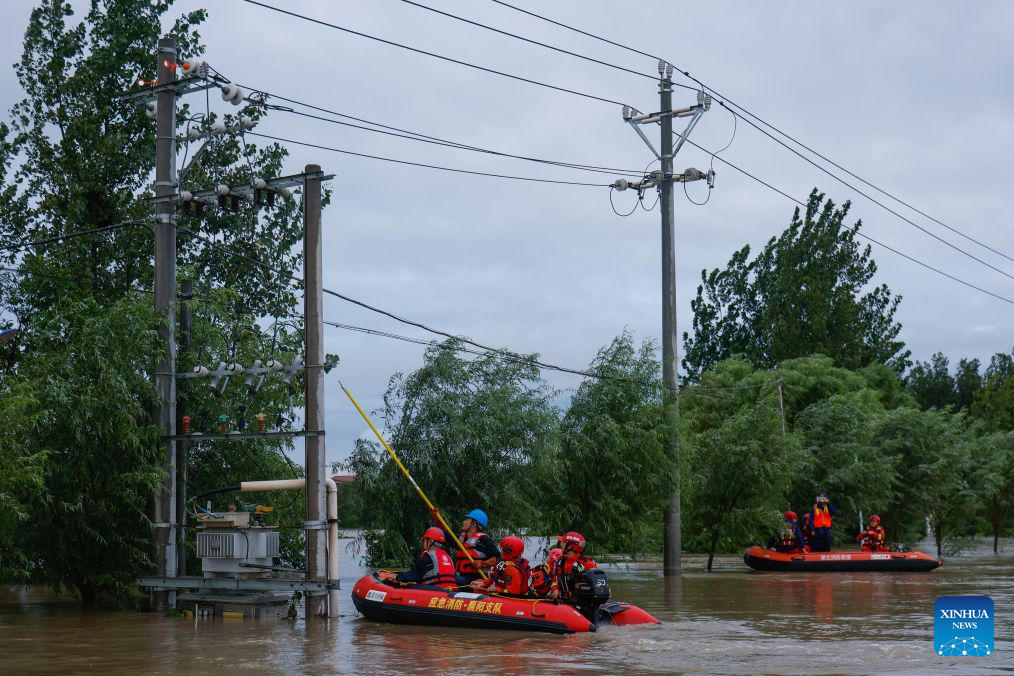
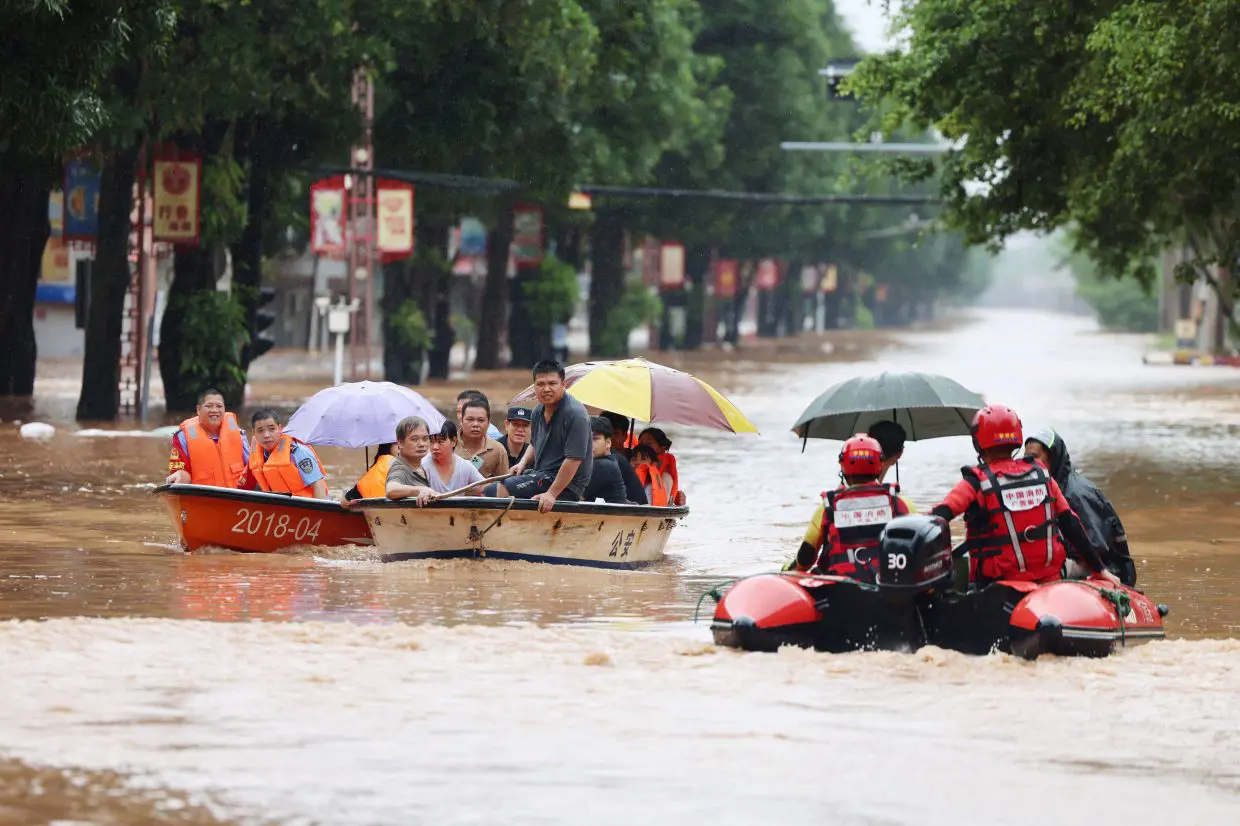
- Rescuers used rubber boats to evacuate stranded residents from inundated neighborhoods.
- China postponed the launch of its uncrewed Chang'e-7 lunar mission, citing that the spacecraft did not meet launch conditions.
- The National Astronomical Research Institute of Thailand attributed the delay of the Chang'e-7 mission to the typhoon.
- Heavy rain is expected to persist through Wednesday, affecting Guangxi, Guangdong, Hainan, and Fujian.
Torrential rain triggered by Typhoon Narra has led to widespread flooding in China's southwestern Guangxi region, forcing 54,000 people to evacuate. State broadcaster CCTV reported that 8,087 individuals have been moved to emergency shelters as water levels at 20 monitoring stations on 15 rivers exceeded warning thresholds.1234
Aerial footage revealed Chongzuo city submerged, with roads and low-rise buildings engulfed by brown floodwaters. Rescuers are actively wading through knee-deep waters, using rubber boats to assist stranded residents in inundated neighborhoods.56
Typhoon Narra has lingered over the Beibu Gulf for several days, bringing heavy rain to Guangxi and nearby provinces, including Hainan and Guangdong. Forecasters predict that heavy rain will persist across southern China through Wednesday, with areas of Guangxi, Guangdong, Hainan, and Fujian expected to receive torrential downpours.9
In light of the severe weather, China has postponed the launch of its uncrewed Chang'e-7 lunar mission, originally scheduled for August 24 from Hainan's Wenchang Space Launch Site, citing that the spacecraft did not "meet launch conditions." The National Astronomical Research Institute of Thailand, which has a scientific payload aboard the mission, confirmed that the delay was caused by the typhoon.78
“The flooding has submerged parts of Chongzuo, with rescuers using rubber boats to reach stranded residents. Water levels at 20 monitoring stations on 15 rivers exceeded warning thresholds, and the Chang'e-7 lunar mission was delayed because the spacecraft did not 'meet launch conditions.'”

 The Star