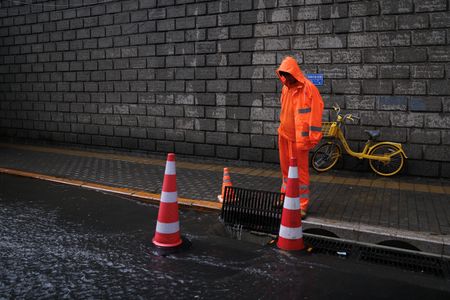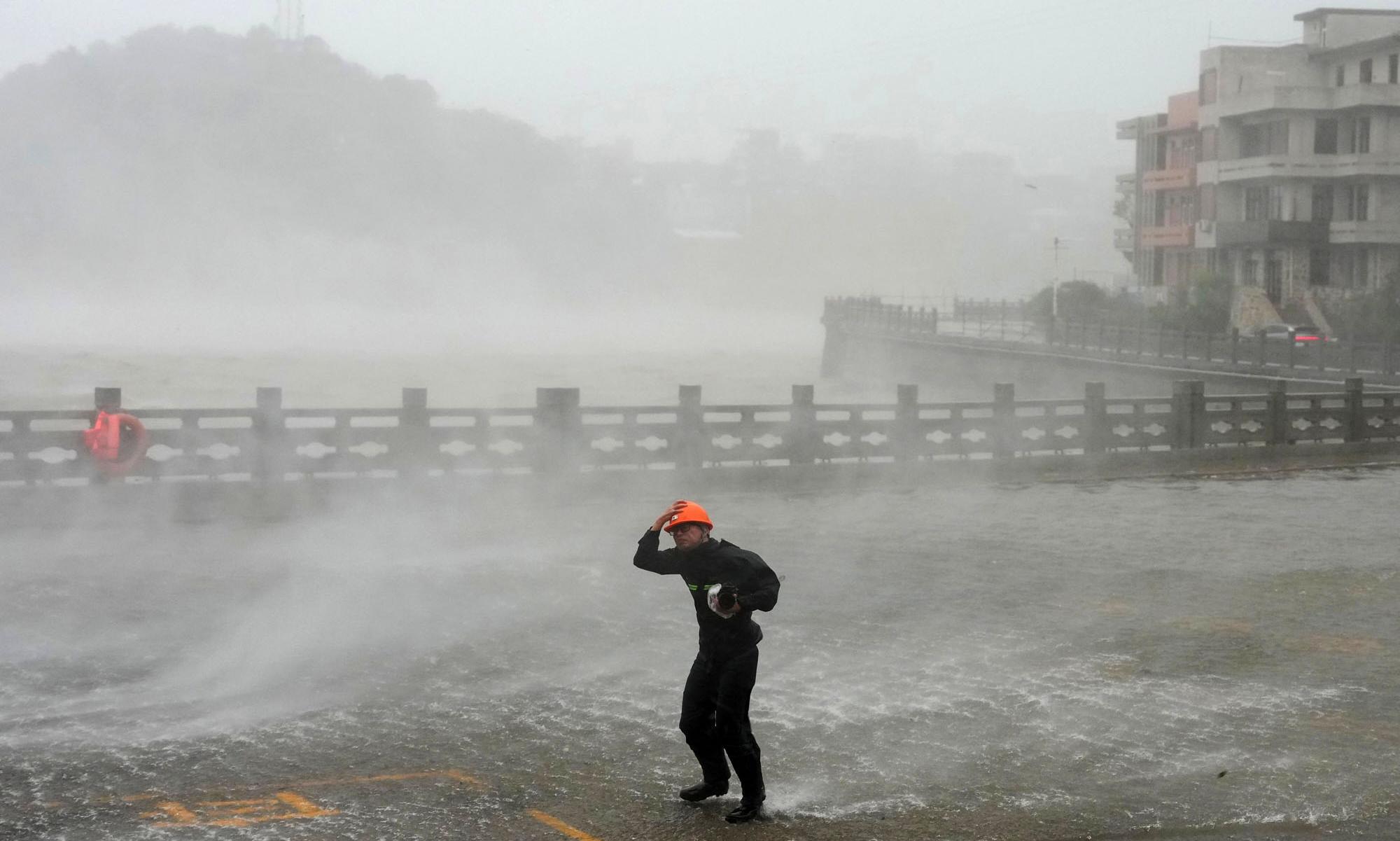
- Typhoon Dolphin churned into Hubei province, flooding streets, closing tourist areas, and halting construction projects, with forecasters warning of extreme rainfall.
- In Xiangyang, water levels at 35 reservoirs exceeded flood-control thresholds, prompting relocation of 9,705 people, and all but two of 59 major scenic spots were shut.
- Downgraded to a tropical depression, the storm's reach extended to Beijing, more than 1,000 km north of Hubei.
- Parts of Beijing, including Shunyi district, saw severe flooding by Tuesday evening, with rains forecast to intensify overnight.
- Beijing's highest hourly rainfall occurred in Houshayu in Shunyi District, with 88.5 mm from 3 p.m. to 4 p.m. local time; images showed buses and cars partially submerged.
Typhoon Dolphin, now a tropical depression, has wreaked havoc across central China and parts of Beijing, leading to severe flooding and emergency responses. The storm, which traveled nearly 6,000 km, made landfall over the weekend and has since moved inland, affecting the Hubei province.14
On Tuesday, the typhoon caused significant flooding in Hubei, forcing the closure of tourist areas and halting construction projects. The National Meteorological Center issued an orange alert for heavy rain, predicting up to 250 mm in a 24-hour period. As of Tuesday morning, water levels at 35 reservoirs in Xiangyang exceeded flood-control thresholds, prompting the relocation of 9,705 people.23
In Beijing, the Shunyi district experienced severe flooding, with the highest hourly rainfall recorded at 88.5 millimeters from 3 p.m. to 4 p.m. local time. Four districts activated the highest level of emergency flood responses, bracing for more than one-third of the city’s annual rainfall within a single day. Images from the area showed large buses and cars partially submerged in floodwaters, highlighting the storm's impact on urban infrastructure.5
As the storm continues to affect the region, authorities remain on high alert for further rainfall and flooding, with forecasts indicating that conditions may worsen overnight.
“In Xiangyang, water levels at 35 reservoirs exceeded flood-control thresholds, forcing the relocation of 9,705 people, and all but two of 59 major scenic spots were shut. Beijing's highest hourly rainfall hit 88.5 mm in Houshayu, with images on Rednote showing buses and cars partially submerged.”

 Deccan Chronicle