- Typhoon Dolphin caused severe flooding in Zhejiang province, submerging villages and farmlands in Yongjia and causing floodwaters to flow from a local stream in Yueqing.
- In Shanghai, residents waded through flooded streets and a person used a bucket to remove water from a flooded room after heavy rainfall from Typhoon Dolphin.
- Emergency drainage operations were carried out in Xiangcheng district of Xiangyang, where a truck pumped out floodwater near a bridge.
- Landslides and collapsed roads occurred in Wenzhou, Zhejiang, with an excavator clearing a collapsed road in Luojialiao village and performing emergency repairs on a mountain road blocked by a landslide in Yongjia county.
- Infrastructure damage included a car damaged by fallen scaffolding in Wenzhou, and electricians attempting to restore a fallen utility pole in Huai’an City, Jiangsu province.
- A temporary shelter was set up for workers at Qianjiang Century City in Hangzhou, Zhejiang province.
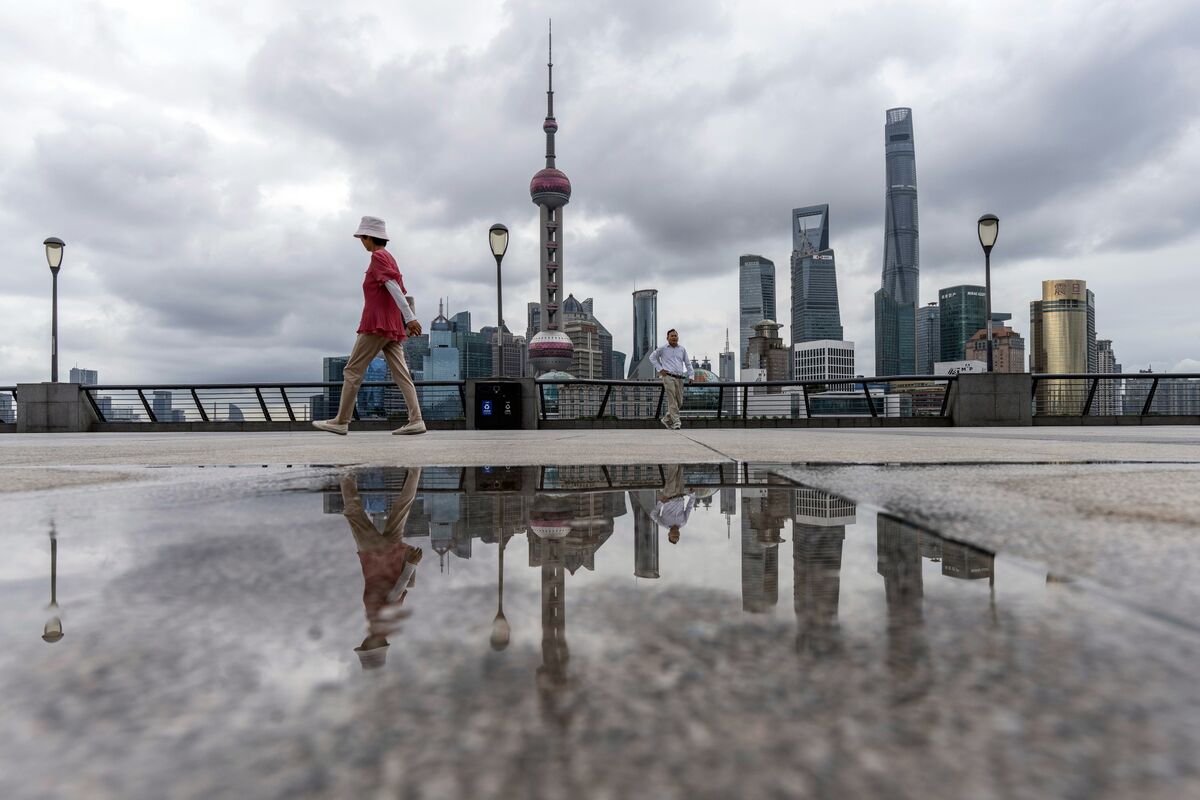
- Flooding affected transportation in Jiangsu and Shanghai: cars drove through flooded streets in Wuxi, vehicles turned to elevated roads in Shanghai, and passengers waited at Shanghai Hongqiao railway station after suspension of many public transport services.
- Typhoon Dolphin churned deeper inland to Hubei province, flooding streets, closing tourist areas, and halting construction projects.
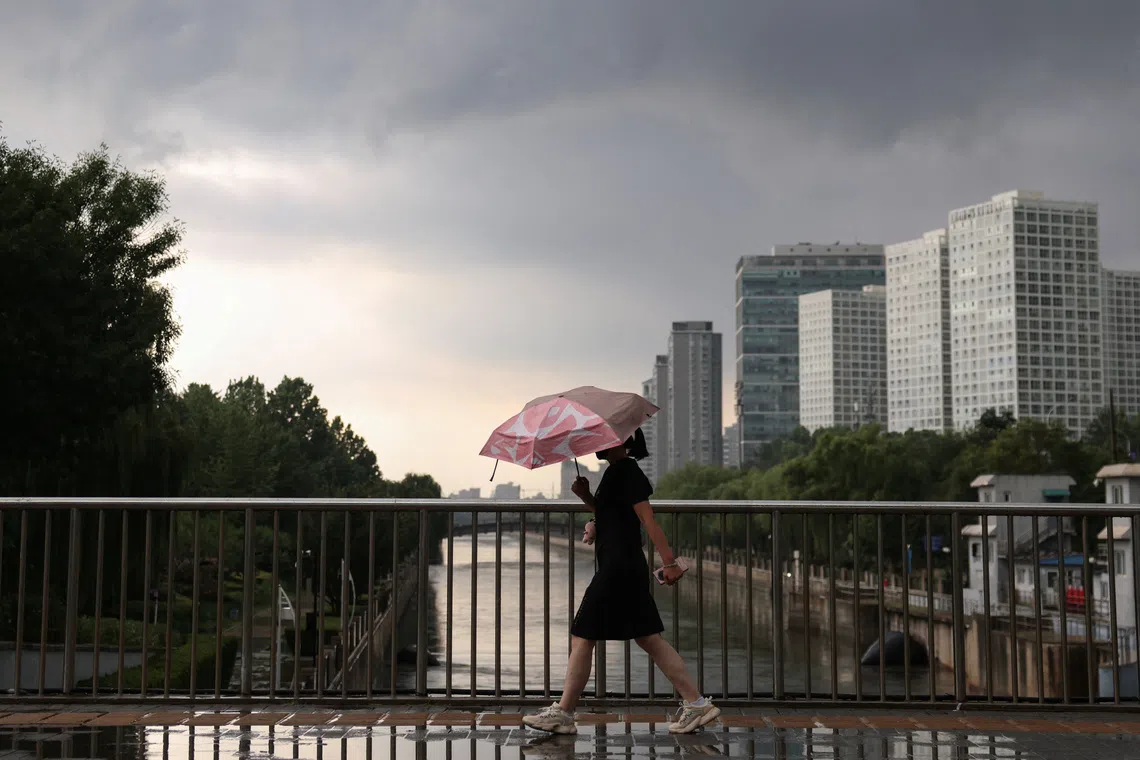
- Beijing's outskirts activated the highest level of emergency flood responses as the city braced for more than one-third of its annual rainfall over 24 hours starting late Tuesday.
- Water levels at 35 reservoirs in Xiangyang exceeded flood-control thresholds, prompting relocation of 9,705 people; scenic areas closed, including the Three Gorges Dam tourist area, and 26 high-risk construction projects were suspended.
Typhoon Dolphin has wreaked havoc across central China, particularly in Hubei province, where severe flooding has led to mass evacuations and emergency measures. The typhoon, the strongest to hit China this year, has caused significant disruptions, including the closure of tourist sites and construction projects.1212131415
As of Tuesday morning, water levels at 35 reservoirs in Xiangyang exceeded flood-control thresholds, prompting authorities to relocate 9,705 people. The National Meteorological Center issued an orange alert for heavy rain, predicting up to 250 mm in a 24-hour period, with four districts in Beijing activating the highest level of emergency flood responses.171819
In Hubei, where over 58 million people reside, the impact of the typhoon has been severe, with shared electric scooters partially submerged and streets flooded. Local resident Huang expressed concern, stating, “This area always gets flooded when it rains. If it continues like this, the waters could reach my home.”
Authorities have also suspended 26 high-risk construction projects and closed nearly all major scenic spots in Xiangyang. The typhoon's effects are felt across the region, with emergency services working tirelessly to manage the crisis and restore normalcy.
As the storm continues to move inland, the situation remains critical, with ongoing warnings for further rainfall and flooding across eastern provinces.
“In Zhejiang, floodwaters submerged villages and farmlands in Yongjia, while landslides blocked roads in Wenzhou. Water levels at 35 reservoirs in Xiangyang exceeded thresholds, prompting relocation of 9,705 people and closure of the Three Gorges Dam tourist area.”

 The Guardian