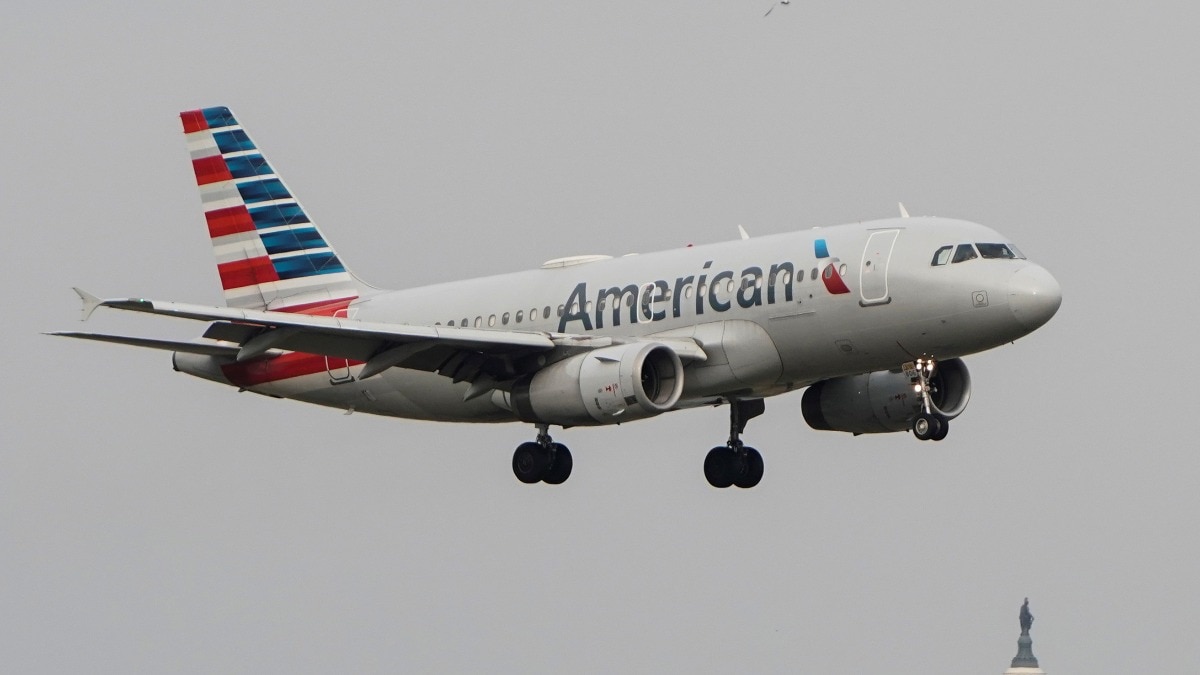
- Two American Airlines jets nearly collided over Phoenix after both were mistakenly operating under the same flight number, American 2482.
- The incident occurred shortly after midnight on Friday, when two aircraft identified as American Airlines Flight 2482 were briefly in the same airspace over Phoenix Sky Harbor International Airport.
- An alert air traffic controller intervened and ensured they maintained a safe distance by distinguishing between the two jets.
- The controller instructed the arriving aircraft to remain above the departing jet and directed the departing aircraft not to climb too high, maintaining the required vertical separation as their flight paths converged.
- After the aircraft safely passed each other, the arriving pilot praised the controller for his handling of the situation, saying 'nice work'.
- The FAA and American Airlines are expected to investigate how the error occurred.
- Aviation safety expert Steve Arroyo stated that the incident likely occurred because the airline's dispatch operation failed to detect that two aircraft would be airborne at the same time under the identical flight number.
- American Airlines stated that its pilots and air traffic controllers ensured that the required separation was maintained and that both flights continued safely without incident.
Two American Airlines jets nearly collided over Phoenix after both were mistakenly assigned the same flight number, American Airlines Flight 2482. The incident occurred shortly after midnight on Friday, involving one aircraft arriving from Chicago and another departing for Phoenix.18
The air traffic controller quickly recognized the mix-up and took decisive action to prevent a potential disaster. He distinguished between the two jets by referring to them as "American 2482 on the arrival" and "American 2482 on the departure." This allowed him to maintain safe vertical separation as their flight paths converged.
The controller instructed the arriving aircraft to remain above the departing jet and directed the departing aircraft not to climb too high. He ensured both pilots were aware of each other's presence while still miles apart, effectively averting a mid-air collision.
After the incident, the arriving pilot praised the controller's quick thinking, stating, "Nice work," to which the controller replied, "It could have been disastrous, but I’m glad it worked out." The controller, with 25 years of experience, described the situation as highly unusual, noting, "I’ve never seen two aircraft pretty much merge with the same call sign. That's pretty incredible."5
Aviation safety expert Steve Arroyo indicated that the incident likely stemmed from a failure in the airline's dispatch operation to recognize that two aircraft would be airborne simultaneously under the same flight number. Both the Federal Aviation Administration and American Airlines are investigating the error, emphasizing their relief that the situation was resolved safely.
American Airlines commended the controller's professionalism, stating, "The diligence and professionalism of air traffic controllers and our pilots ensured required separation was always maintained."
“The controller, with 25 years of experience, said he had never seen two aircraft merge with the same call sign. Aviation safety expert Steve Arroyo attributed the error to a failure in the airline's dispatch operation, and both the FAA and American Airlines are expected to investigate.”