- Trump's two-track strategy seeks to reopen the key Gulf waterway while pushing Iran towards denuclearisation, as Washington looks to reduce direct military involvement.
- US President Donald Trump has signalled a major shift in Washington’s approach to the war with Iran, combining a push to reduce direct military involvement with efforts to weaken Tehran’s control over the strategically important Strait of Hormuz.
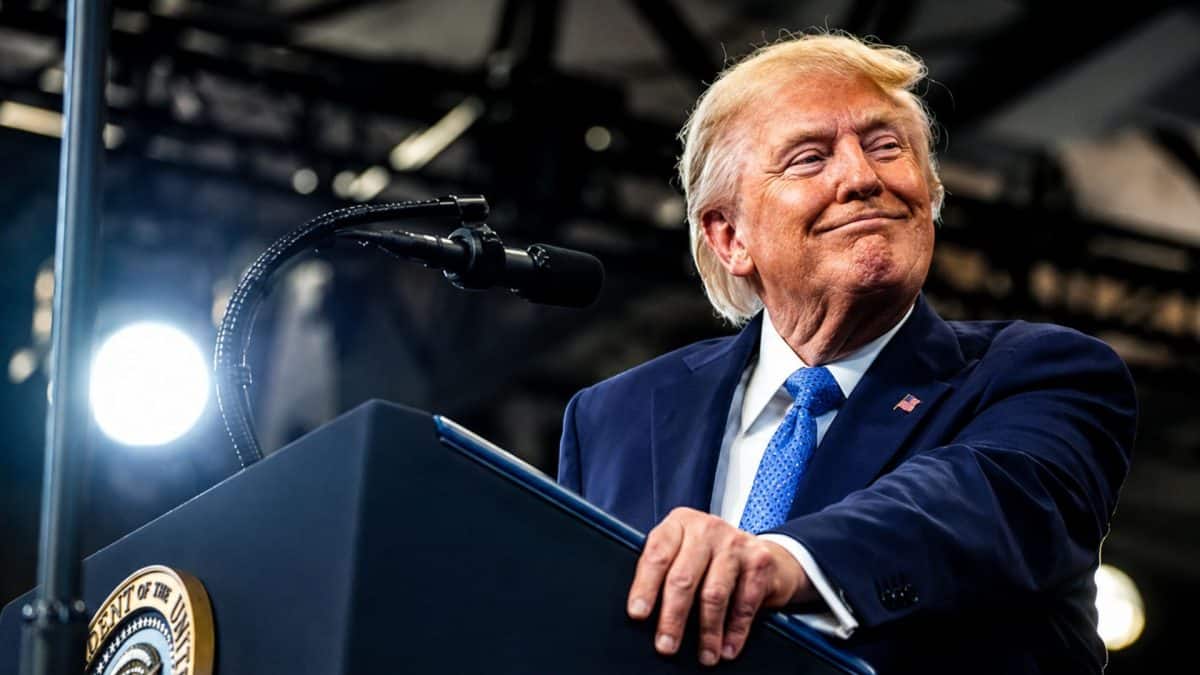
- Speaking to reporters at the White House, Trump described a two-stage approach focused first on reopening the Strait of Hormuz and then on addressing Iran’s nuclear programme.
- The administration’s approach does not amount to a complete withdrawal from the region. Instead, US officials are looking at maintaining pressure through maritime operations, allied cooperation and other measures aimed at compelling Tehran to make concessions.
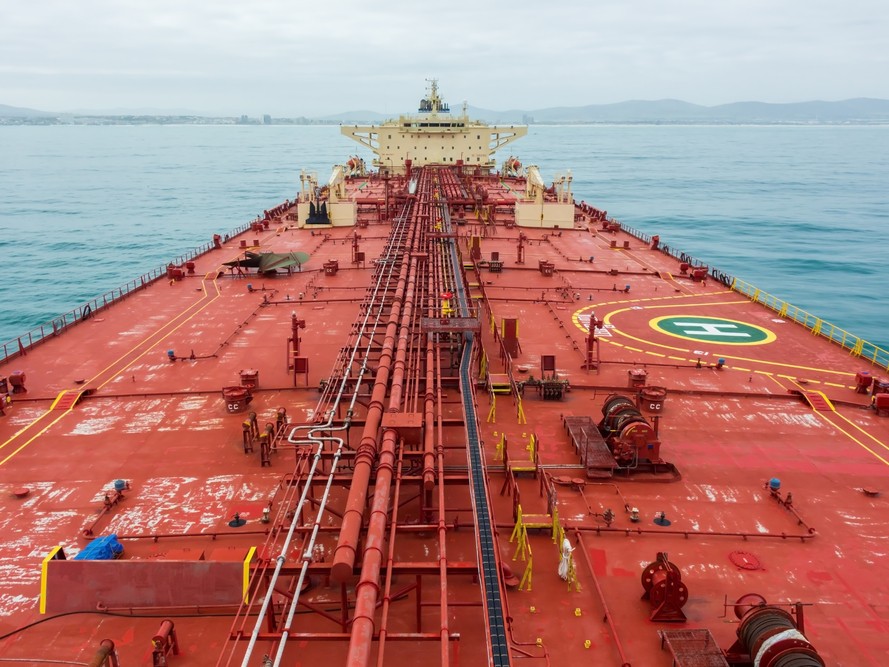
- The Strait of Hormuz has emerged as a key point of contention in the conflict, carrying a significant share of global seaborne oil shipments.
- Washington now believes Tehran’s ability to exercise control over the waterway has weakened amid increased US and allied maritime activity.
- US naval forces have carried out escort operations and other maritime activities aimed at keeping shipping routes open and challenging Iranian military activity in the region.
- The US strategy therefore seeks to reduce Iran’s ability to use the strait as a bargaining tool while avoiding a prolonged expansion of direct American military involvement.
- Despite the change in strategy, a diplomatic breakthrough remains uncertain, as Iranian officials have expressed scepticism about US intentions.
President Donald Trump has introduced a two-stage strategy focused on reopening the Strait of Hormuz and addressing Iran's nuclear ambitions. This approach aims to reduce direct military involvement while maintaining pressure on Tehran through maritime operations and allied cooperation.245
The Strait of Hormuz is a critical energy corridor, with a significant share of global oil shipments passing through it. Trump's administration believes that Tehran's control over the waterway has weakened due to increased US and allied maritime activity. US naval forces have been actively involved in escort operations to keep shipping routes open and challenge Iranian military actions in the region.67
Despite this strategic shift, a diplomatic breakthrough remains uncertain. Iranian officials have expressed skepticism regarding US intentions, demanding an end to military strikes and the lifting of economic sanctions as prerequisites for any potential agreement. The US strategy aims to limit Iran's ability to leverage the strait as a bargaining tool while avoiding a prolonged military engagement.89
“The administration’s approach does not amount to a complete withdrawal from the region,” officials noted, emphasizing the need for continued pressure on Iran through various measures.
As tensions persist, the situation in the Strait of Hormuz remains a focal point in the broader conflict between the US and Iran, with both sides navigating a complex landscape of military and diplomatic challenges.
“Trump's administration is focusing on a two-stage approach that first seeks to reopen the Strait of Hormuz, a vital energy corridor. Despite increased US maritime activity weakening Iran's control, a diplomatic breakthrough remains uncertain as Iranian officials demand an end to military strikes and sanctions.”


 Firstpost