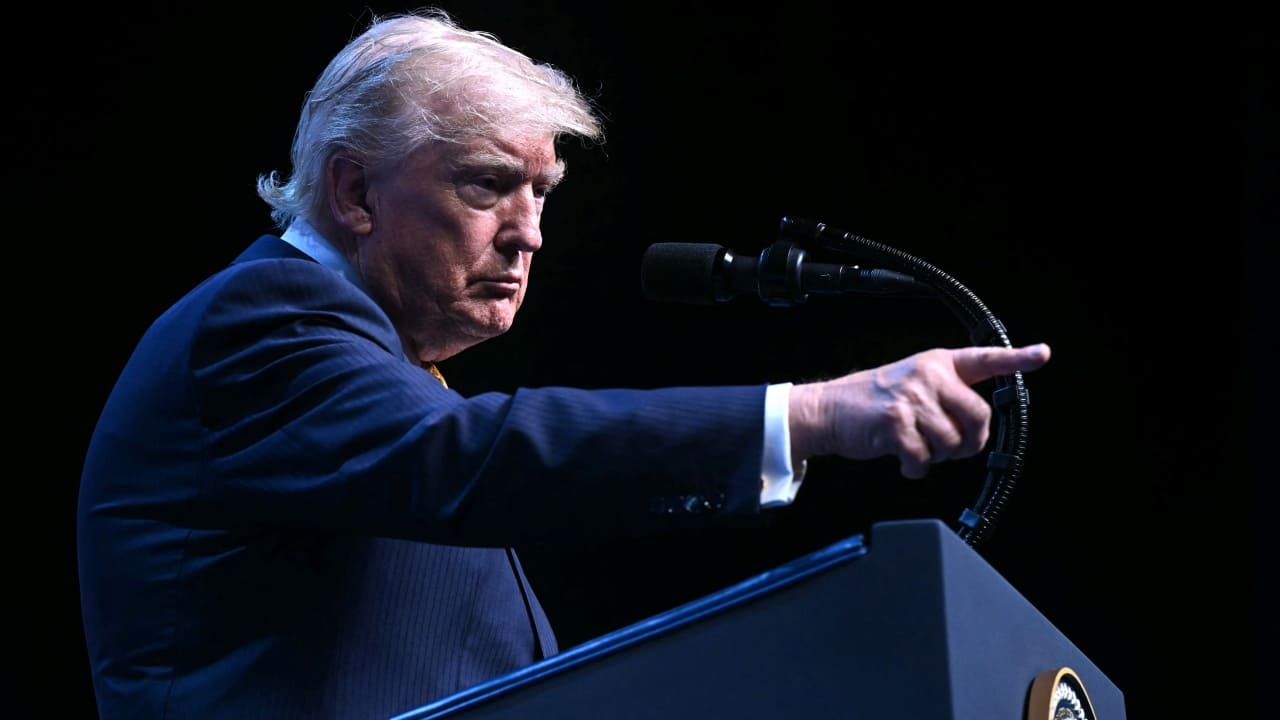
- Trump is currently considering a massive attack, which he called bigger than ever before.
- The Pentagon recorded more than 140 additional wounded, bringing the total to over 600.
- A pause in US strikes has raised questions about who fills the vacuum if Washington walks away from the Iran conflict.
- If Washington scales back its military role, four key fault lines could determine how the conflict evolves.
- Iran has ruled out direct negotiations with Washington, insisting it is only discussing the Strait of Hormuz with Oman.
- Israel sees Iran's nuclear programme as a direct security threat and is unlikely to abandon its objective of limiting Iran's nuclear capabilities.
- Saudi Arabia is becoming more directly involved in protecting its own security, focusing on defending its territory and critical energy infrastructure.
- The Houthis have expanded the conflict by attacking Saudi oil facilities and threatening shipping in the Red Sea.
- A prolonged American pause could provide Iran with valuable breathing space to repair military infrastructure and strengthen its regional proxy network.
Trump's potential withdrawal from the Iran conflict has ignited concerns over military strategy and regional stability. A recent pause in US strikes has raised questions about who will fill the vacuum if Washington withdraws.135
Iran has ruled out direct negotiations with the US, focusing instead on discussions with Oman regarding the Strait of Hormuz.
Analysts warn that if the US reduces its military role, four key fault lines could shape the conflict's evolution.4
Israel views Iran's nuclear program as a direct threat and is unlikely to abandon its efforts to limit Iran's capabilities, even amid a US pause.67
Meanwhile, Saudi Arabia is prioritizing its own security and has become more involved in protecting its territory and energy infrastructure, although it is not necessarily preparing for war against Iran.89
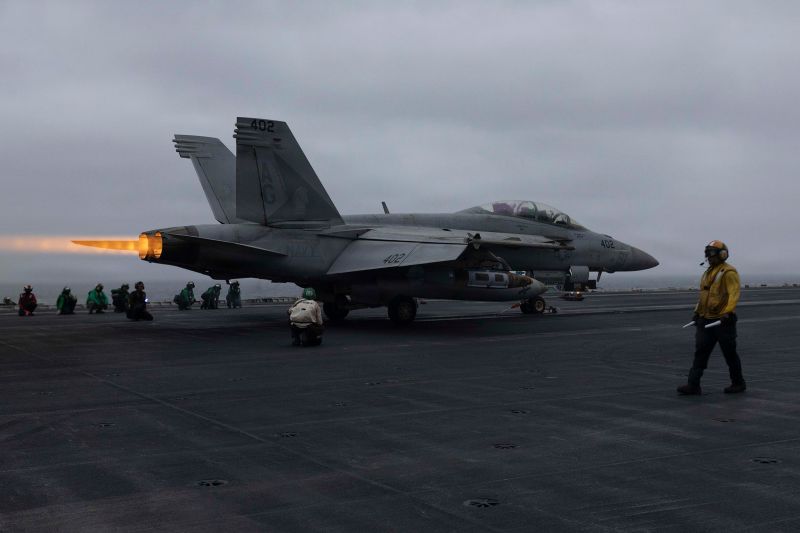
The Houthis, Iran's proxies in Yemen, have already escalated tensions by attacking Saudi oil facilities and threatening shipping in the Red Sea.10
A prolonged pause in US military action could allow Iran to repair its military infrastructure, strengthen air defenses, and bolster its regional proxy network.
Public support for the war may wane following recent US troop casualties, with four deaths reported since strikes resumed. The Pentagon's casualty database indicates over 600 wounded, raising further concerns about the conflict's sustainability.
As the clock ticks for Trump to withdraw before the elections, the implications of a US military pause remain profound.
“A prolonged American pause could provide Iran with valuable breathing space, allowing it to repair military infrastructure and strengthen its regional proxy network. Meanwhile, the Houthis have expanded the conflict by targeting Saudi oil facilities, complicating the security landscape in the region.”






