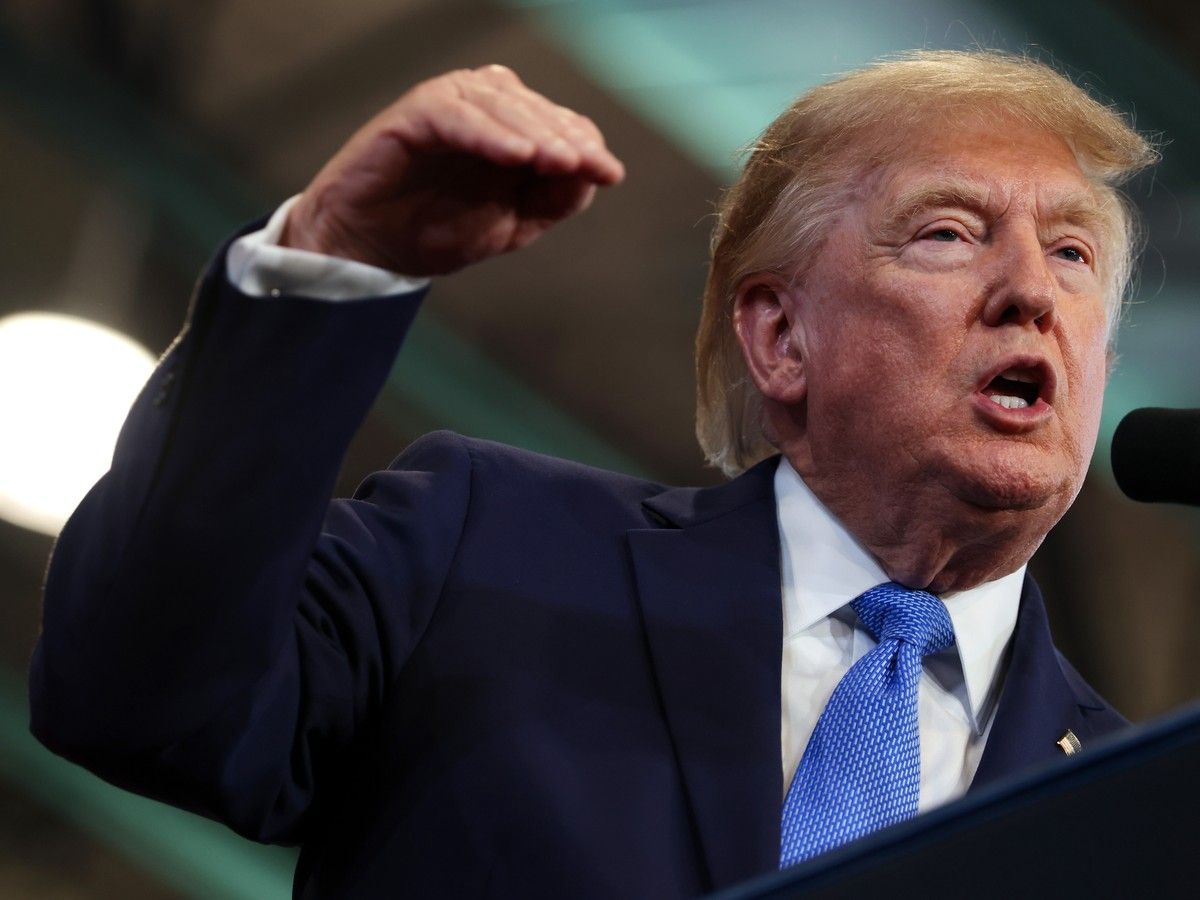
- Trump signed an executive order to impose 50 per cent tariffs on a range of Canadian goods starting Aug. 19.
- Iowa Sen. Chuck Grassley stated that the tariffs should serve as a wake-up call for Canada to make some changes.
- Conrad Black proposed a comprehensive plan for Canada to survive Trump's trade war.
- David Olive argued that Canada should stop trying to appease Trump and finally call his bluff on tariffs.
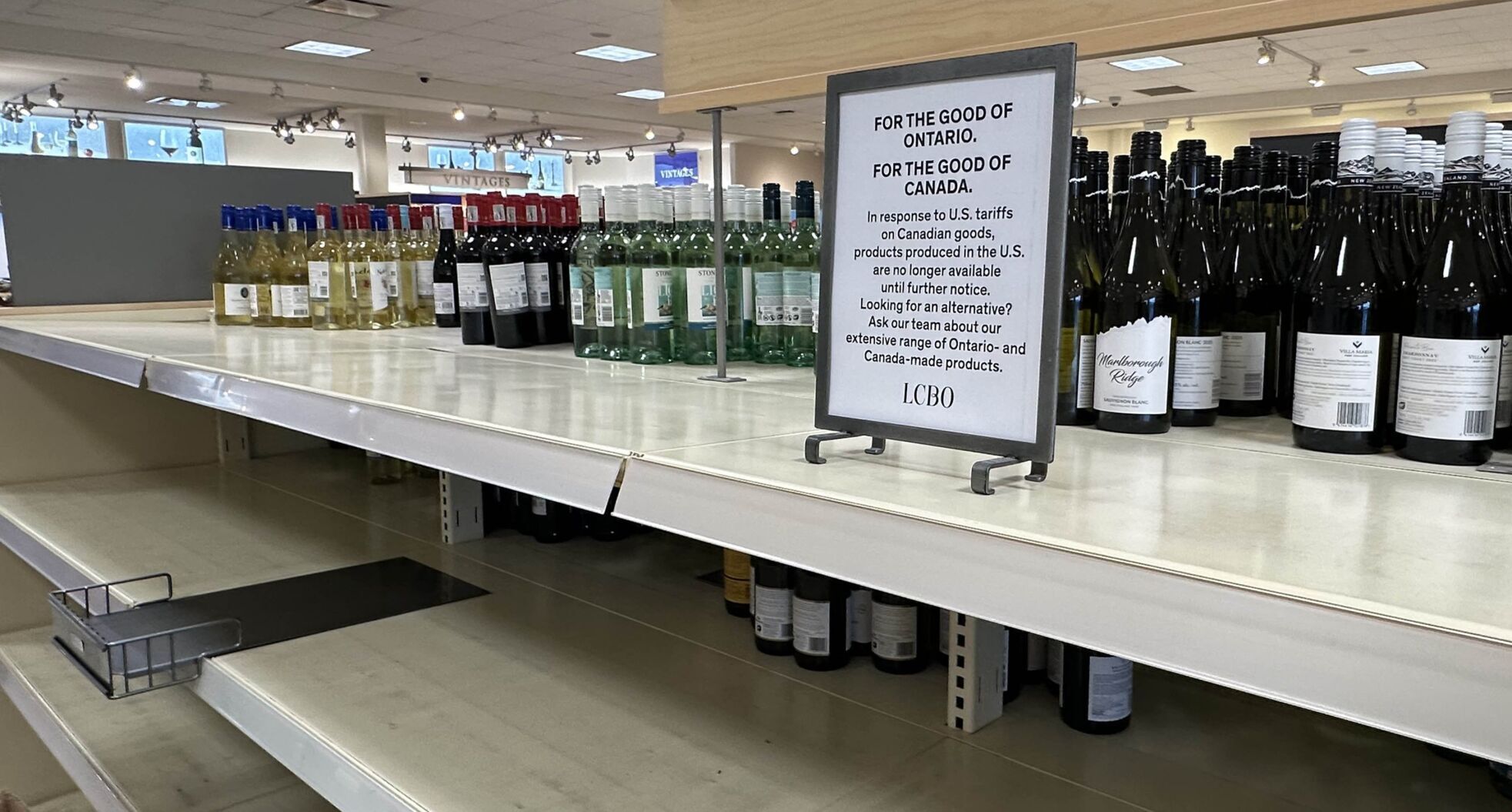
- The Trump administration says the new duties are a response to provincial bans on U.S. liquor, Canada’s supply-managed dairy system, and quotas on certain U.S. vehicles.
- Canada's trade negotiators are preparing concessions to the U.S. in hopes of blunting its latest tariff attack.
- Canada is dealing from a position of strength, with 181,000 new jobs created since May, outpacing the U.S. in job creation.
Iowa Senator Chuck Grassley stated that President Trump's proposed tariffs on Canadian goods should act as a wake-up call for Canada to reassess its trade policies. Grassley emphasized that while tough negotiations are necessary, they must not undermine the trilateral trade agreement CUSMA.
The Trump administration plans to impose a 50 per cent tariff on various Canadian goods starting August 19, citing issues like provincial bans on U.S. liquor and Canada's dairy system. Grassley noted, “These negotiations cannot be used as a way of destroying CUSMA.”
Commentators argue that Canada should stop making concessions, as each one has only encouraged Trump to demand more. “Every concession we’ve made has only emboldened Trump to impose new or higher tariffs,” they warn. Canada's trade negotiators are reportedly preparing to offer limits on exports of steel and aluminum to mitigate the impact of the tariffs.6
Despite the looming tariffs, Canada is in a relatively strong economic position, having created 181,000 new jobs since May and outpacing the U.S. in job growth. The Canadian economy is projected to grow faster than its U.S. counterpart, with a GDP growth rate of 3.4 per cent compared to the U.S.'s 1.5 per cent.
As negotiations continue, Ontario Premier Doug Ford has called for a “dollar-for-dollar” response to U.S. tariffs, suggesting that Canada could leverage its economic strength to negotiate more favorable terms.
“Grassley said the president is likely using tariffs as a lever, but negotiations must not undermine CUSMA. Meanwhile, David Olive argues every concession has emboldened Trump, and Canada should consider export taxes on oil, gas, and other vital goods.”