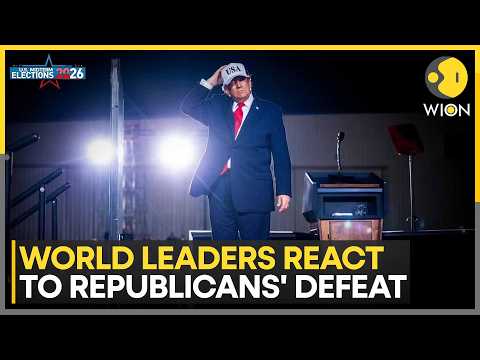
- Trump's historic defeat in the November 3 midterm elections has resulted in a Democratic-controlled Congress.
- Europe anticipates little change in US policy following Trump's defeat, expressing no hope for a restoration of a bygone era.
- Robert Kagan from the Brookings Institution warns that Russia and China may become more aggressive if they perceive Trump as politically weakened.
- Kagan cites depleted missile interceptors and a reduced naval presence in Asia as factors that could embolden adversaries.
- Faced with a Democratic-controlled Congress, the American president could turn to foreign policy, which falls almost exclusively within his authority.
- Trump's alignment with Russian stances on the conflict in Ukraine is unlikely to change, potentially causing confrontation with the incoming Democratic majority.


Robert Kagan of the Brookings Institution warns that Russia and China may become more aggressive if they perceive Donald Trump as politically weakened following his midterm defeat. Kagan stated, "If it's clear that Donald Trump is on his way out... they may feel that the time to move is in the next two years."3
With a Democratic-controlled Congress, Trump's foreign policy may face challenges, yet Kagan believes he will likely maintain his stance on relations with Europe, aligning with Russian views on Ukraine.1
Kagan noted that the Iran conflict has exposed U.S. military limitations, stating, "Washington has proved itself rather incapable militarily." This depletion of resources could embolden adversaries.

He highlighted that the deployment of three U.S. aircraft carriers in the Middle East has reduced naval presence in Asia, potentially allowing China to act more assertively. Kagan remarked, "I think Trump's only interest right now is in cutting economic deals with China... that is going to lead China to be even more aggressive."45
As tensions rise, Kagan's insights suggest that Europe should brace for a challenging geopolitical landscape, as the U.S. prioritizes its national interests over international alliances.
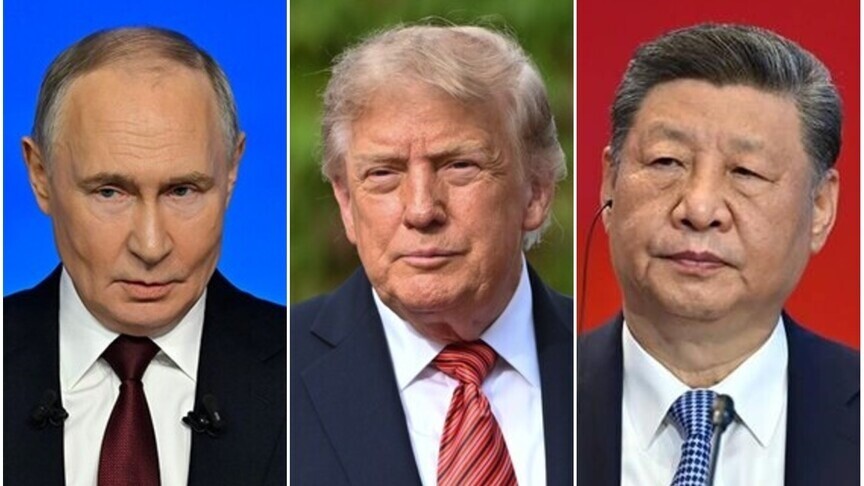
Kagan's comments come amid discussions of a potential trilateral summit involving Trump, Xi, and Putin, indicating ongoing complexities in U.S.-China-Russia relations.
“Kagan cites the Iran war as exposing Washington's military incapacity, with depleted missile interceptors and three carriers sent to the Middle East leaving Asia exposed. He notes Trump's focus on economic deals with China, not confrontation, which could embolden Beijing.”

 Le Monde.frCNBC