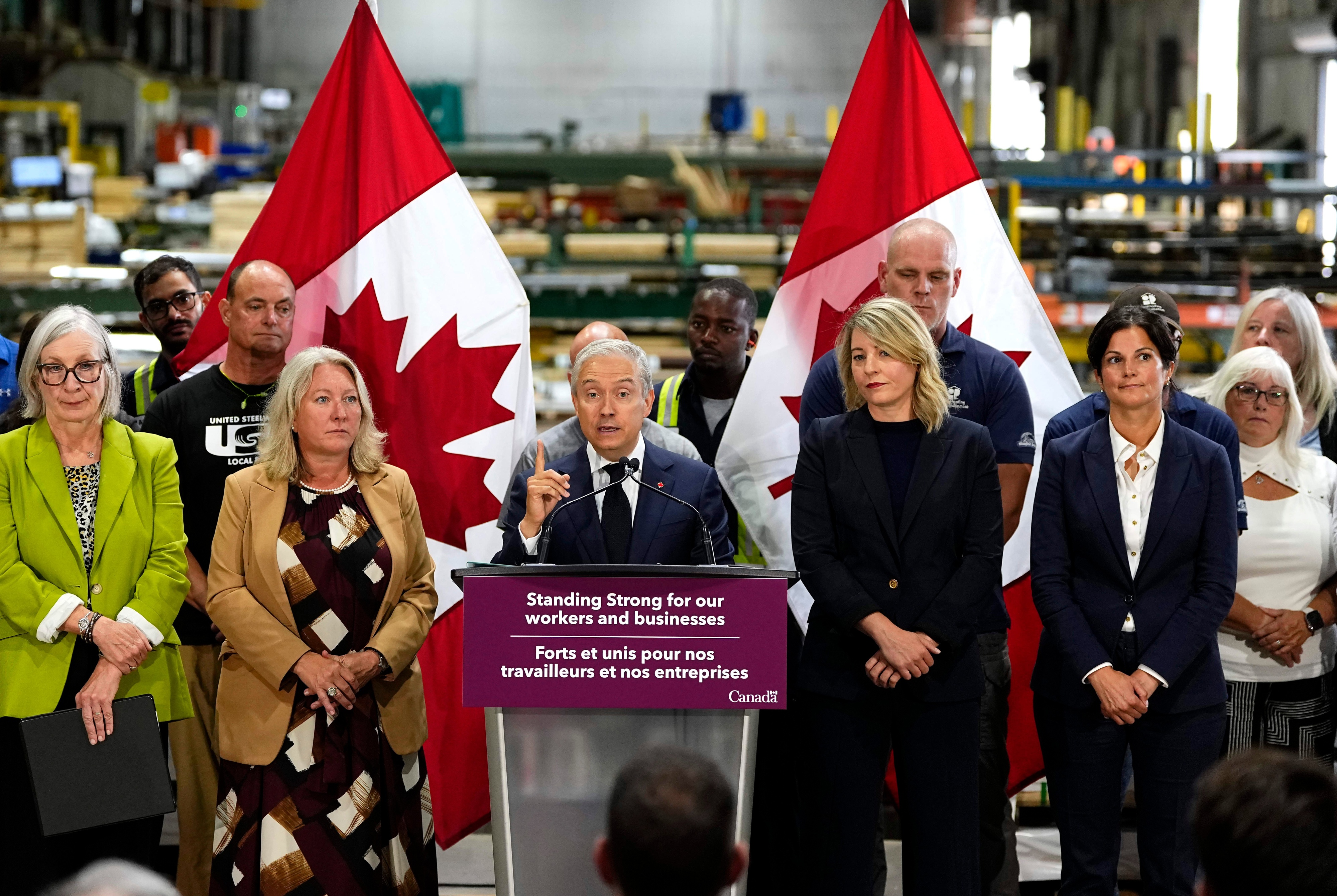
- Trump said the change would be effective immediately and linked it to trade tensions with Canada, claiming Canada “has been ripping us off for a long time.”
- Experts argue the name change is an attempt to erase Indigenous culture and could damage US-Canada relations.
- Legal experts note that while Trump can act within legal limits, the change will be challenged and other jurisdictions are not obligated to comply.
- The Board on Geographic Names discourages name changes unless there is a compelling reason, and the process normally involves review and consultation.
President Trump signed an executive order renaming Lake Ontario to 'Lake America,' effective immediately, citing ongoing trade tensions with Canada. Trump claimed Canada has been 'ripping us off for a long time.' However, experts warn that this abrupt change could erase Indigenous history and damage diplomatic relations.1
The name 'Ontario' has historical significance, predating both the Confederation of Canada and the Declaration of Independence of the United States. Ontario Premier Doug Ford emphasized, 'It’s Lake Ontario to Canadians and the rest of the world. Now and forever.' Critics argue that the name change reflects a neocolonial mindset, with one expert stating, 'This change does not have any authority on how US private entities refer to the Lake.'
Gail Krantzberg, a professor at McMaster University, noted that federal agencies will need to change their maps, but Canadians reject the name. She added, 'This will be challenged and because it is a transnational water body, no other jurisdiction needs to abide.' The Board on Geographic Names discourages name changes unless there is a compelling reason, highlighting the potential disconnect between official mandates and public sentiment.4567
As the situation unfolds, the implications for U.S.-Canada relations remain uncertain, with experts warning that the unilateral nature of the order could inflame tensions further.
“The Board on Geographic Names discourages name changes without compelling reason, and legal experts say the order will be challenged, with Canada and Ontario refusing to comply. Alderman notes the change lacks authority over private entities, and public usage may retain the original name.”