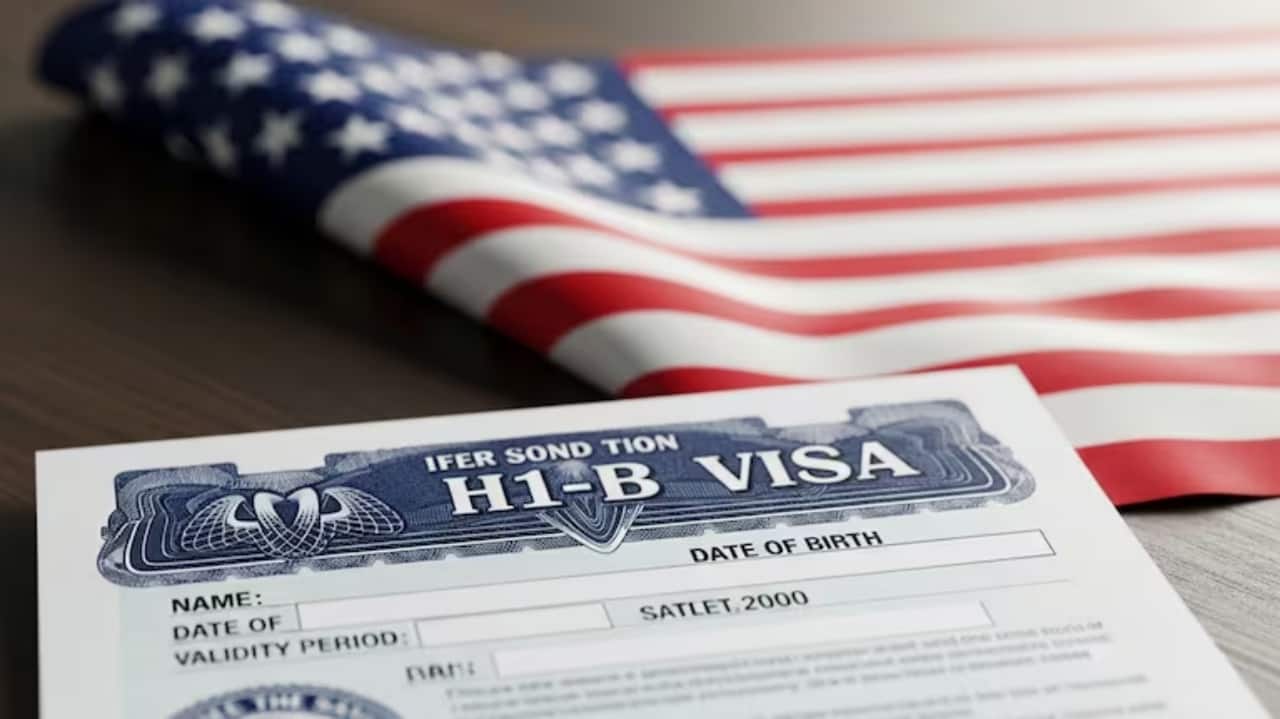
- 9/11 fee currently applies only to initial H-1B and L-1 petitions, with charges of $4,000 for H-1B and $4,500 for L-1.
- DHS proposes expanding the fee to all extension-of-stay petitions for H-1B and L-1 visa holders.
- $157.3 million annually is the estimate DHS assigns to the expanded fee.
- Indian nationals accounted for 77.6% of approved H-1B extensions in FY2025.
- The rule is in the final regulatory pipeline, awaiting OMB/OIRA clearance before publication.
The DHS is moving to apply the 9/11 biometric entry-exit surcharge to extensions of H-1B and L-1 visas, turning a one-time fee into a recurring cost for many covered employers. Under the plan, extensions would carry $4,000 for H-1B and $4,500 for L-1 petitions, and DHS projects about $157.3 million in annual revenue.1
Industry observers say the rule targets firms with large foreign-workforce reliance, and centers on the 50-50 rule — companies with at least 50 US employees and more than half of them on H-1B, L-1A or L-1B visas — which would make many IT outsourcing and consulting firms subject to the surcharge on every extension.
Indian nationals dominate approvals in the H-1B ecosystem: 406,348 total approved H-1B petitions in FY2025, 291,542 continuing employment approvals, and 226,359 Indian nationals among continuing approvals, equaling 77.6% of extensions.5
Costs could accumulate quickly over a career: four to six routine H-1B extension filings over ~15 years, with per-extension charges climbing from roughly $5,000-$6,000 to well over $10,000 per worker when fees, premium processing and counsel are added.
Margins could shrink under pressure, as IT services firms already rely on margins of 15-22%, making recurring $4,000-$4,500 per extension a potential drag on profitability. The rule sits in the final regulatory queue, awaiting clearance by OMB and OIRA before a Federal Register publication, with industry groups already challenging DHS authority. Some employers are advising extensions be filed early within a 180-day pre-expiration window to avoid higher costs.
“The proposed expansion targets companies under the 50-50 rule, where over half of US employees hold H-1B or L-1 visas, hitting firms like TCS, Infosys, and Wipro. DHS estimates the change could generate $157.3 million annually, and Indian nationals account for 77.6% of approved H-1B extensions.”
 Firstpost



