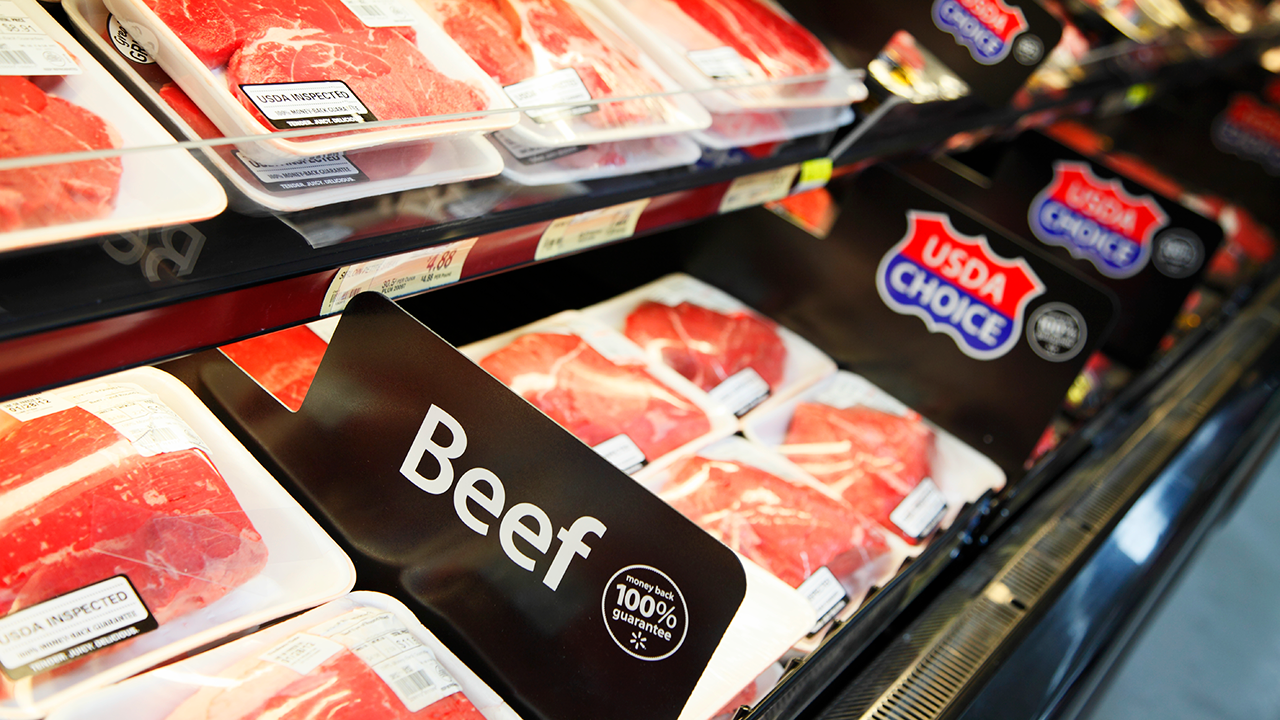
- Trump's plan to import up to 300,000 metric tons of beef tariff-free for 90 days aims to help lower ground-beef prices and is set to take effect starting next week.
- Criticism of the plan has come from the National Cattlemen's Beef Association and Utah ranchers, including Sen. John Curtis, who expressed concerns about its impact on local ranchers.
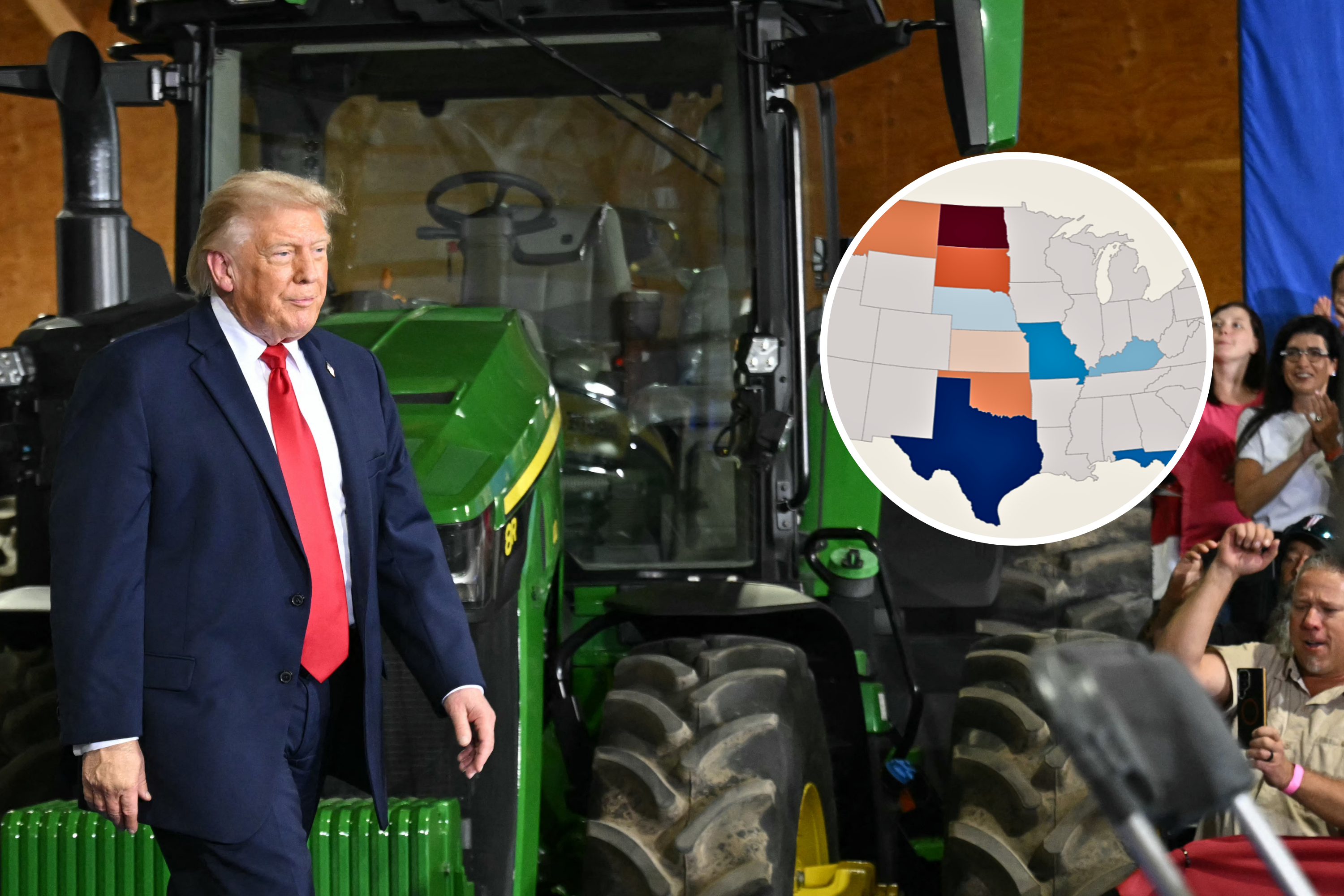
- Polling data from Civiqs on August 27 indicated no measurable shift in Trump's approval ratings across major beef-producing states following the announcement.
- The plan will remain in effect through November's midterm elections, coinciding with a critical period for Republican candidates.
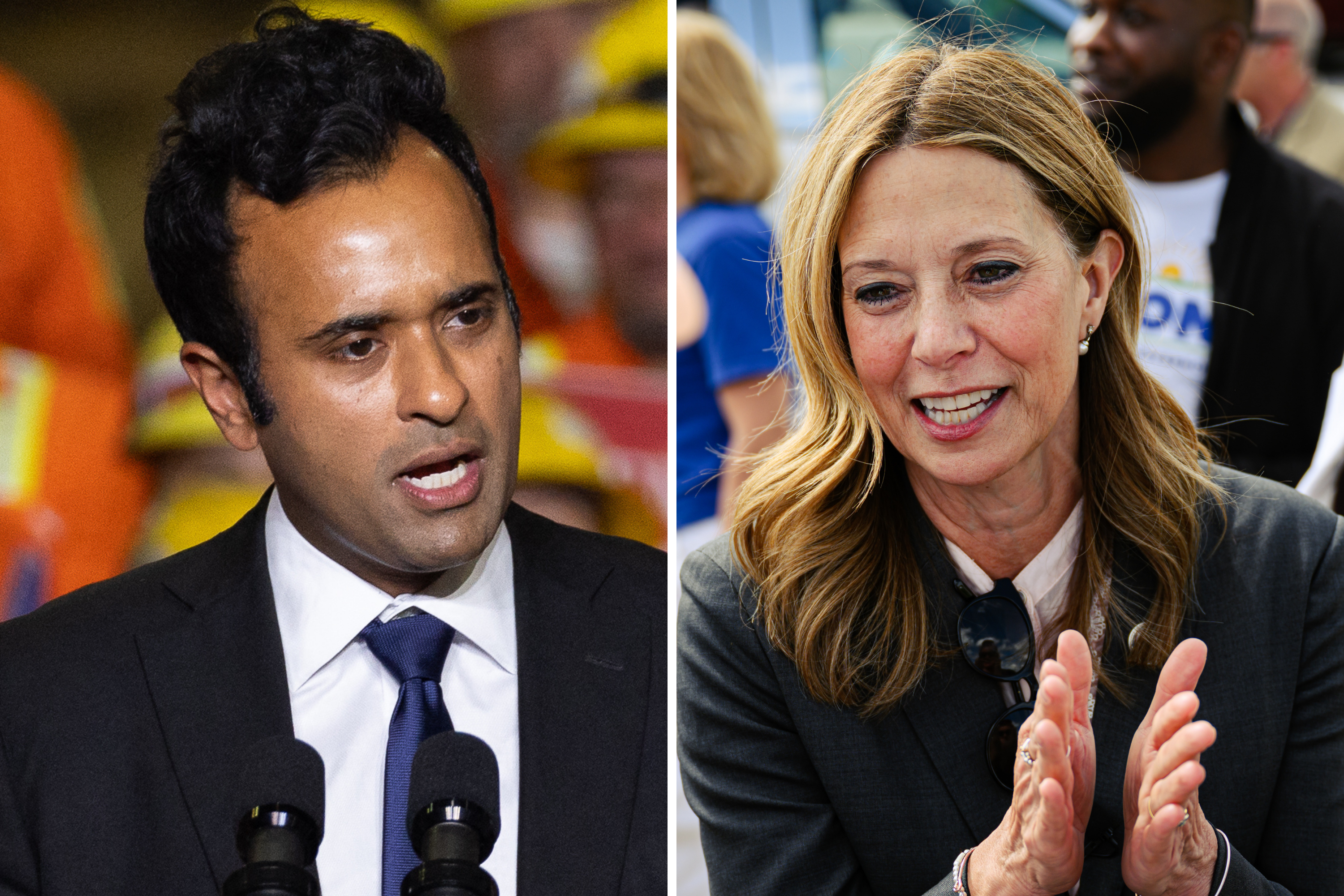
- Connecticut farmer Susan Burkowsky-Sniffin believes the import plan could benefit her local farm by attracting more customers.
President Donald Trump's recent proclamation allowing the import of 300,000 metric tons of foreign beef tariff-free has ignited significant backlash among ranchers and GOP leaders. The initiative, aimed at reducing soaring food prices, has been met with skepticism from the National Cattlemen’s Beef Association, which argues it undermines local producers.
The White House claims this temporary measure will increase beef supply by roughly 10% over current projections, potentially delivering economic relief to consumers. However, ranchers fear that flooding the market with subsidized beef could jeopardize their livelihoods. U.S. Sen. John Curtis expressed concern, stating, “importing foreign beef to be sold at artificially depressed prices undercuts Utah’s family-operated cattle ranchers.”
Polling data from Civiqs indicates that Trump's approval ratings in major beef-producing states have not shifted significantly since the announcement. For instance, Texas remains at a net approval rating of -17, while Oklahoma is at +7. The data suggests that the controversy surrounding the beef plan has not yet produced an immediate statewide polling reaction.56
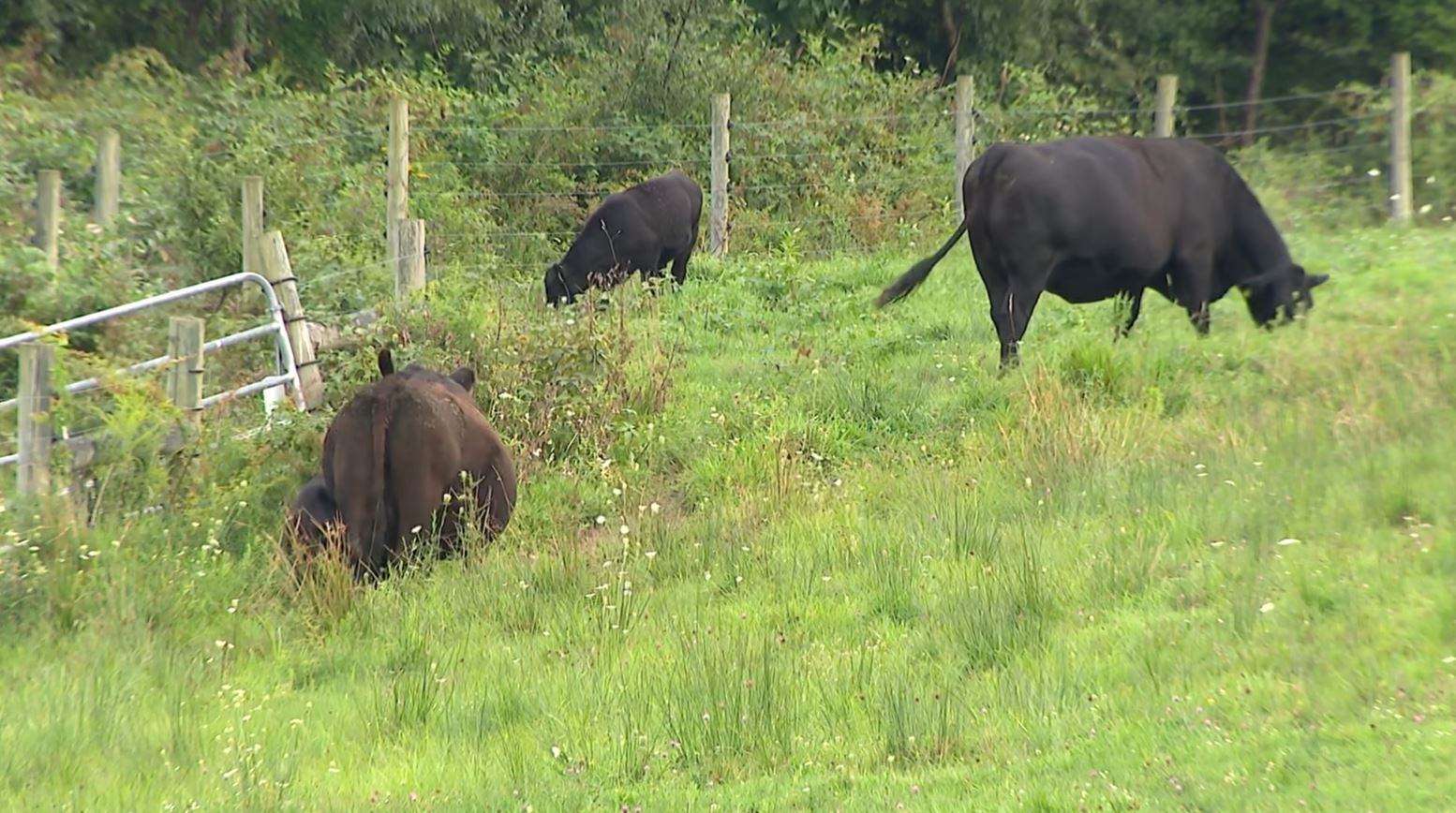
Despite the backlash, some local farmers, like Susan Burkowsky-Sniffin, believe the plan could benefit small farms by driving customers who prefer locally sourced beef. “If anything, it'll be a boon for all small farms that raise beef in the state,” she stated. However, the long-term implications of Trump's plan remain uncertain as ranchers worry about market volatility and the origins of the imported beef.127
“The plan allows up to 300,000 tons of lean beef trimmings at a 25% discount, but the National Cattlemen's Beef Association calls it 'government-subsidized, below-market beef.' Utah rancher Tanner notes the announcement crashed live market prices, and Agriculture Secretary Brooke Rollins admitted she wasn't 'privy' to the beef's origin.”
 NBC Connecticut