- Donald Trump first floated the $5,000 dividend idea during the RNC midterm convention last Wednesday.
- Commerce Secretary Howard Lutnick stated that the dividends would be paid but not from deficit or taxpayers.
- White House NEC Director Kevin Hassett suggested that the checks could come via a reconciliation package through Congress.
- Trump reiterated the promise on Sunday, stating it will 'happen 100 percent' if the GOP keeps its majority.
- Rep. (R-Ohio) announced he would introduce a bill to ensure the checks happen.
- A George Washington University law professor noted that tariff revenue would not cover the estimated $1.3 trillion cost of the checks.
- The Supreme Court struck down the administration's tariffs, ordering a refund of $166 billion.
- Florida Gov. Ron DeSantis expressed concerns that the proposed checks would lead to more inflation.
- Sen. (R-Maine) raised concerns about the cost, stating the proposed dividend would be extraordinarily costly.
Former President Donald Trump has pledged $5,000 dividend checks to Americans if the GOP maintains its majority in Congress, stating it will "happen 100 percent". He emphasized that the U.S. is generating trillions of dollars in revenue, which he claims will fund these checks.14
Trump made this announcement during the Republican National Committee’s midterm convention, asserting that Democrats would mismanage funds and prevent the checks from being issued. "If the Democrats get in, our country will be in shambles," he warned, highlighting that the GOP would ensure the funds are available.

Commerce Secretary Howard Lutnick indicated that the administration could find ways to fund the dividends without increasing the deficit or burdening taxpayers. Meanwhile, White House National Economic Council Director Kevin Hassett suggested that the checks could be included in a reconciliation package through Congress, which holds the appropriating power.23
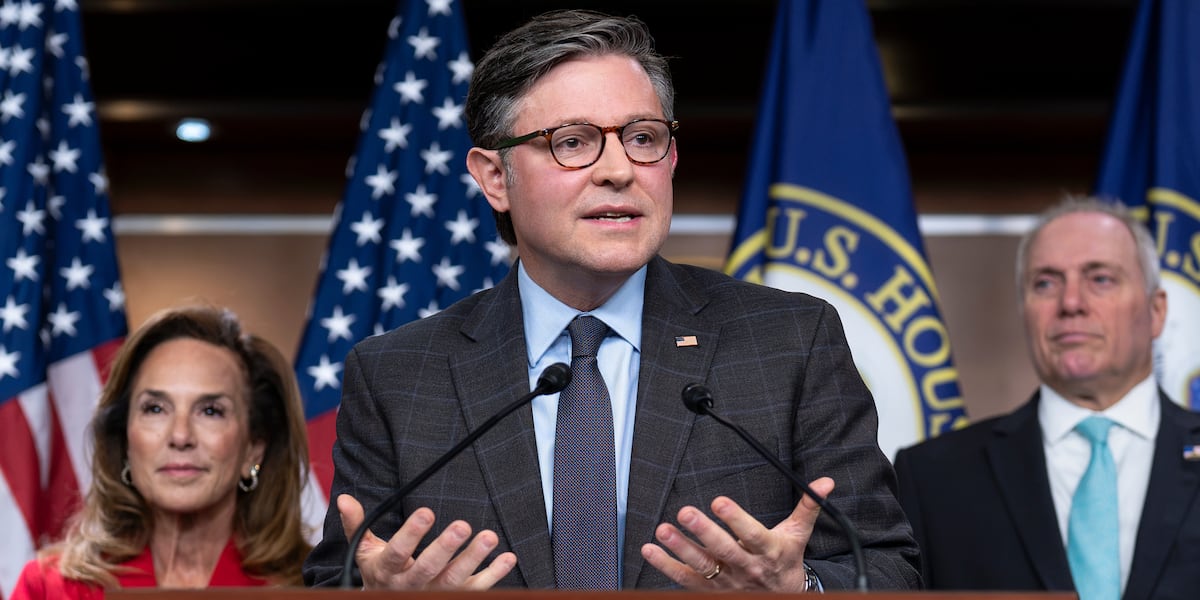
In response to Trump’s pledge, Rep. (R-Ohio) announced plans to introduce a bill to guarantee the checks' issuance. However, experts, including a professor at George Washington University Law School, have raised concerns that tariff revenue would not cover the estimated $1.3 trillion needed for the payouts, emphasizing that Congress controls the allocation of funds.56
“The pledge faces fiscal hurdles: tariffs have generated only $341 billion in net revenue since 2025, far short of the estimated $1.3 trillion cost, and the Supreme Court ordered a $166 billion refund. Critics like Sen. Collins warn the plan lacks an income cap and could fuel inflation.”