- Trump's 50% tariffs on select Canadian goods took effect over the weekend, impacting about 5 percent of Canada's annual exports to the US – or $20 billion in goods.
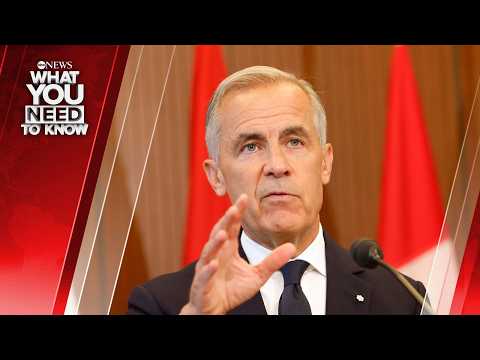
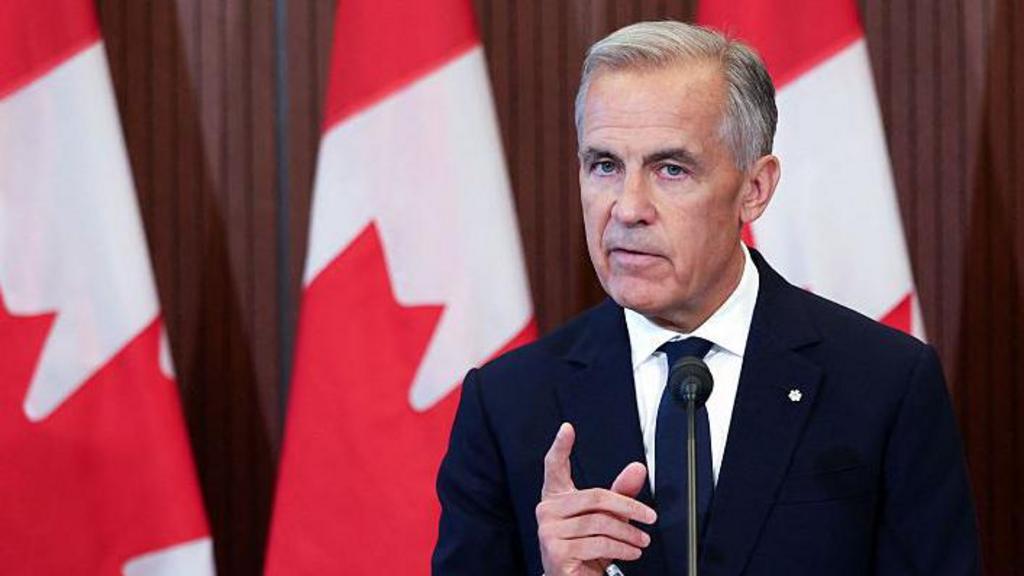
- Canada's Prime Minister Carney promised retaliatory measures 'dollar for dollar' starting September 8, targeting US steel, dairy, appliances, agricultural equipment, pulp and paper and electronics.
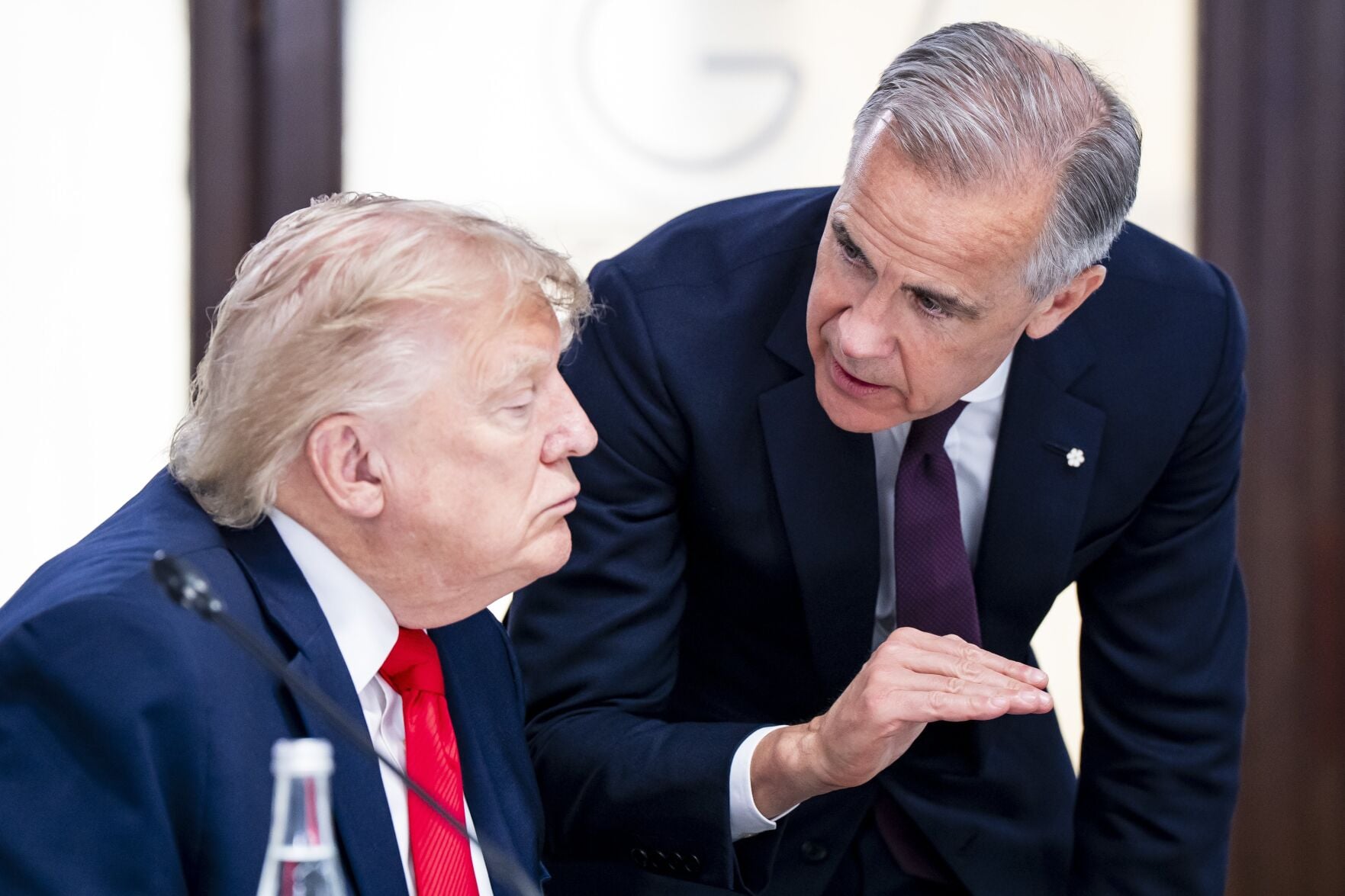
- Trump threatened to increase tariffs on Canadian cars, trucks, automotive parts and steel to 50 percent starting January 1, 2027, stating 'WE DON’T NEED CANADA, THEY NEED US!'
- The 50 percent tariffs are based on Section 338 of the Tariff Act of 1930, a long-dormant law never used to raise tariffs until now, and no investigation or time limit is required.
- The tariffs affect a wide range of Canadian goods, including hockey sticks, wine, cement, honey, seeds, agricultural products, makeup, perfumes, clothing, jewellery, furniture, cameras, and fabric, and also apply to some products previously protected under the USMCA.
- Tariffs raise costs for businesses and trickle down to consumers as higher prices, and the escalating trade war creates uncertainty across affected sectors.
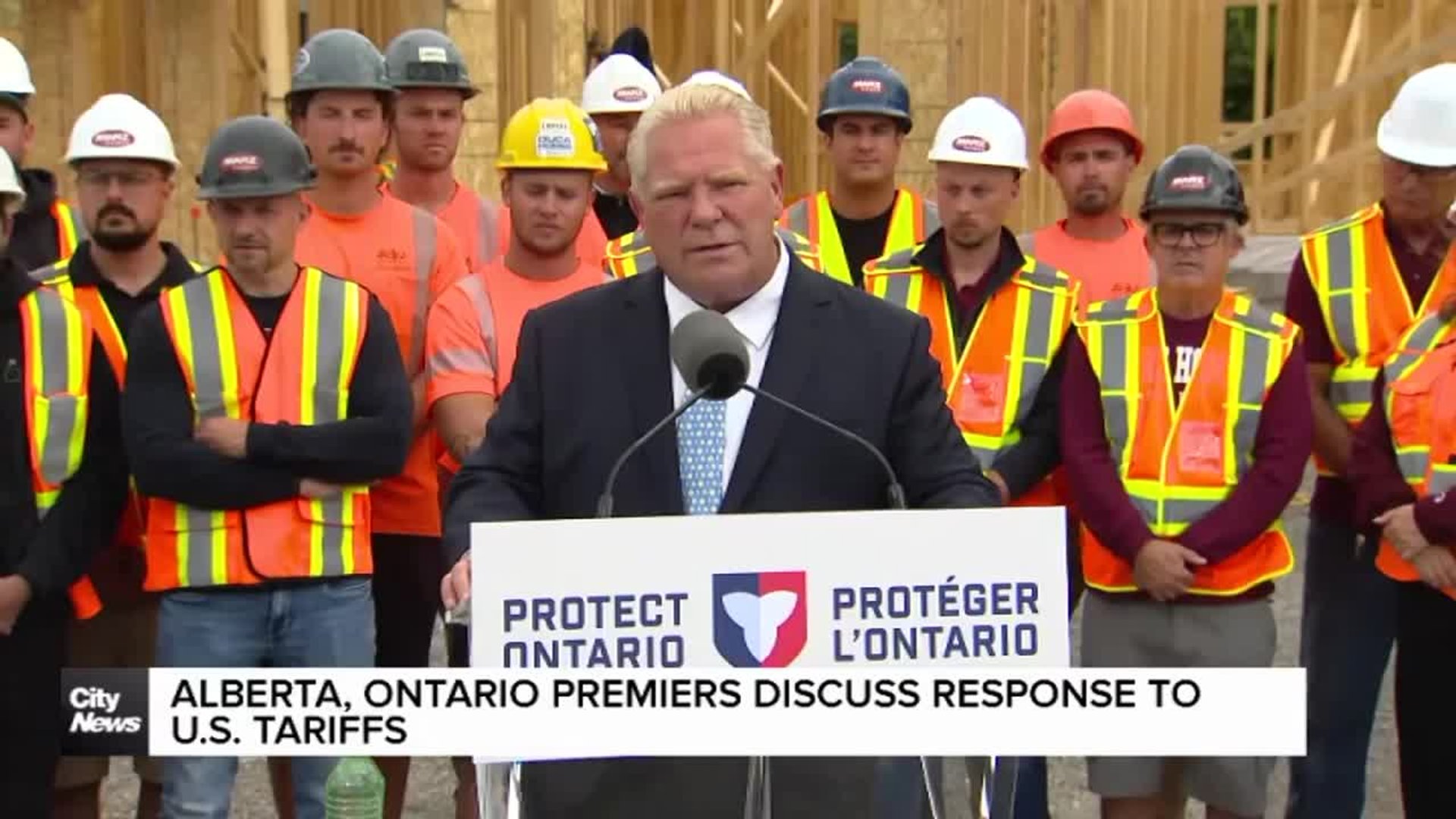
- Ontario Premier Doug Ford said 'everything is on the table', including cutting off electricity and critical minerals to the US, and called for Canada to consider using oil and potash as leverage.
- Canada plans to respond to US President Donald Trump's new tariffs on Tuesday, as the once close neighbouring allies spiral into a trade war.
Trump's 50% tariffs on Canadian goods, effective from the weekend, are set to impact $20 billion in exports, affecting various products including agricultural goods and hockey sticks.12
Canada plans to retaliate with measures targeting U.S. steel and dairy, as Carney stated, "dollar for dollar" countermeasures will begin on September 8.345
Ontario Premier Doug Ford warned that his province might cut off electricity and critical minerals to the U.S. if tensions escalate, emphasizing that "everything is on the table."1718
Trump, asserting that "WE DON’T NEED CANADA, THEY NEED US!" on social media, has also threatened to raise tariffs on Canadian cars and trucks to 50% starting January 1, 2027.
The tariffs, reinstated under a long-dormant law, could have widespread effects, with Augustine Lo from Dorsey & Whitney noting, "Nearly all industries and professions are likely to see downstream effects from this spiraling trade dispute."
The tariffs are expected to raise costs for businesses and consumers alike, as they trickle down through the economy, creating uncertainty for workers across affected sectors.
“The tariffs, based on Section 338 of the Tariff Act of 1930, impact about 5% of Canada's annual exports to the US, or $20 billion in goods. Ontario Premier Doug Ford said 'everything is on the table,' including cutting off electricity and critical minerals to the US.”