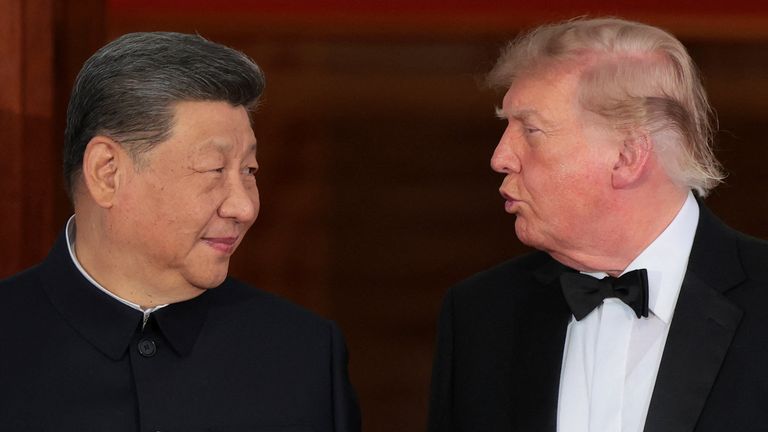
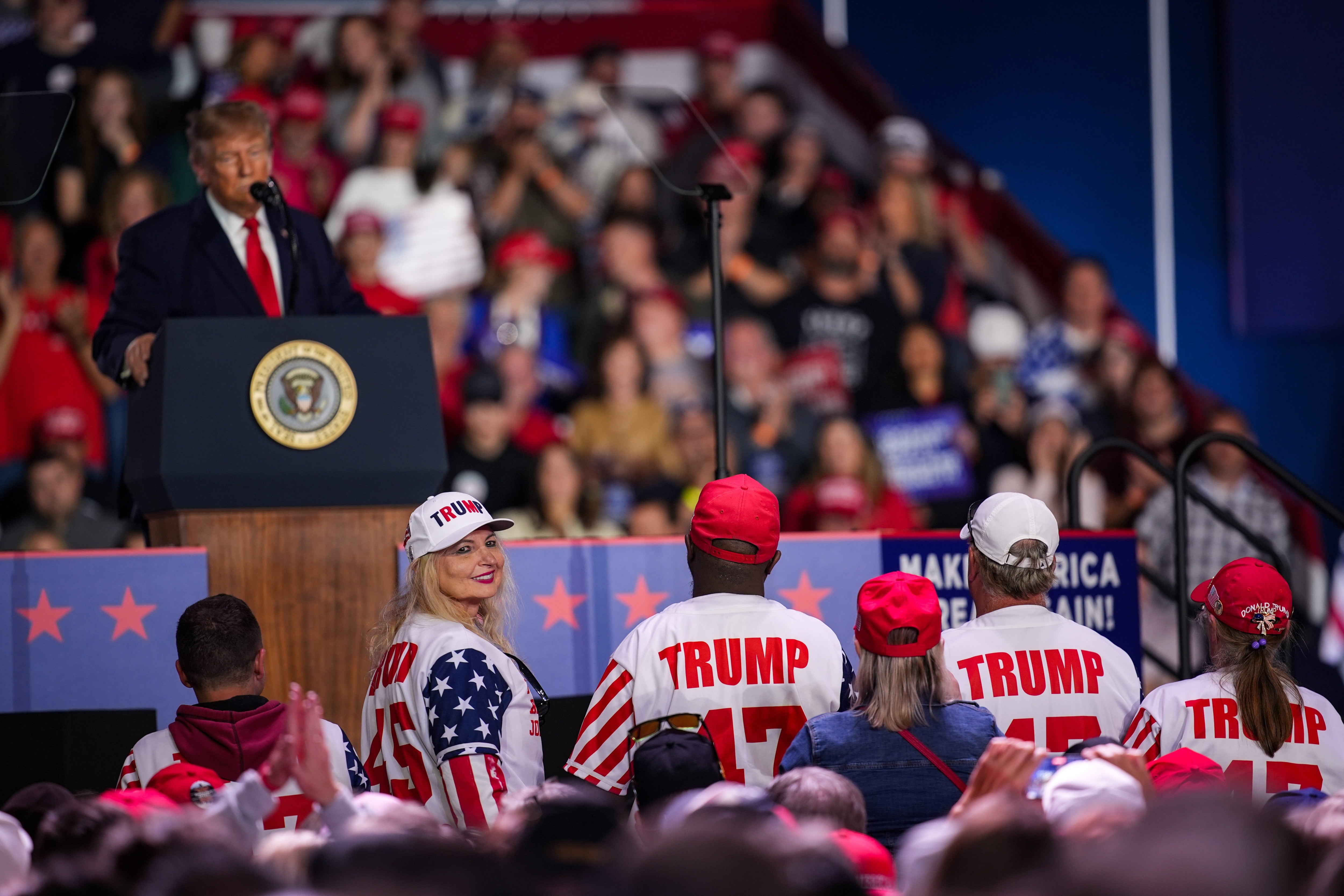
- US President Donald Trump, China’s President Xi Jinping and Russia’s President Vladimir Putin will hold their first trilateral meeting on the sidelines of the Asia-Pacific Economic Cooperation (APEC) summit in China’s Shenzhen, with the summit taking place from November 18-19.
- Talks will focus on nuclear proliferation, but occur amid global turbulence including Russia’s war in Ukraine, the US-Israeli war on Iran, and trade tensions between Washington and Beijing.
- Officials say the leaders will discuss the US-Israeli war on Iran, launched on February 28, which has left the Strait of Hormuz closed and oil and gas prices volatile; one-third of China’s crude oil supply transited the strait before the war, while Russia has profited from rising energy prices.
- Trade wars and the rare earth minerals used to power artificial intelligence are straining US-China relations; Trump hit China with a 145 percent tax hike, Beijing retaliated with 125 percent levies, and tensions rose over China’s export restrictions on rare earths, though tariffs have since been reduced and deals struck.
- It is very unlikely that the Ukraine war will be discussed; a Trump administration official said the US president will not bring it up, and US officials note that peace talks are being pursued separately with envoys Steve Witkoff and Jared Kushner visiting Ukraine and Russia.
- For President Putin, the meeting could provide a positive photo opportunity and a platform to project power while sidelining the Ukraine conflict, giving him a “first among equals” position to show he can influence Europe’s security architecture, according to analyst Alexander Bratersky.
- Trump’s priority is to include both China and Russia in a new nuclear proliferation treaty; White House spokesperson Olivia Wales said Trump will discuss reducing nuclear weapons, and the meeting could project his diplomatic influence as Iran refuses to capitulate.
US President Donald Trump, Chinese President Xi Jinping, and Russian President Vladimir Putin will hold their first trilateral meeting at the APEC summit in Shenzhen, China, on November 18-19. The meeting aims to address nuclear proliferation amidst significant global tensions, including the US-Israeli war on Iran and ongoing trade disputes between Washington and Beijing.123
The New Strategic Arms Reduction Treaty (New START), which lapsed in February, is a key topic for discussion. Trump has previously rejected Russia's proposal to extend the treaty, advocating for a “new, improved and modernised” agreement that includes China. However, China is hesitant to join an agreement it did not help create, according to a senior Trump administration official.
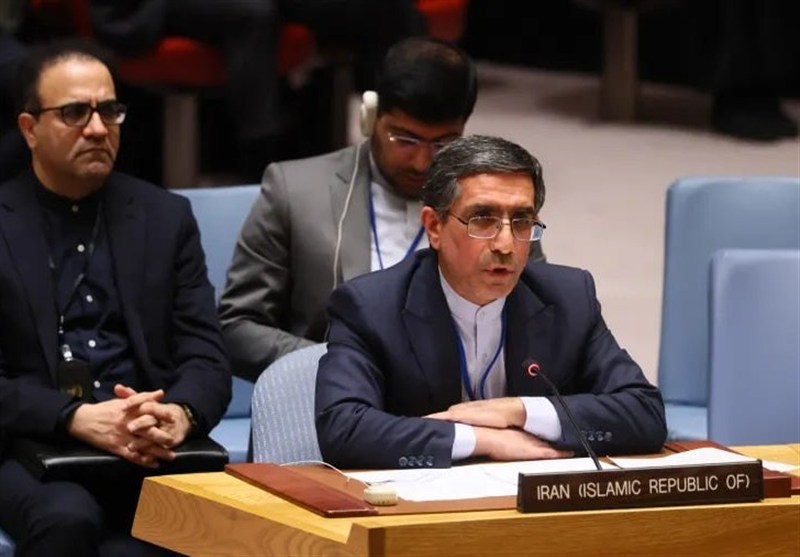
The leaders will also discuss the US-Israeli conflict with Iran, which has seen over 100 days of hostilities. The Strait of Hormuz remains critical for oil supply, with one-third of China's crude oil transiting through it before the conflict. The war has also impacted demand for Chinese exports, while Russia benefits from rising energy prices.
Trade tensions have escalated, with Trump imposing a 145 percent tax hike on Chinese goods, prompting Beijing to retaliate with 125 percent levies on US imports. Despite some tariff reductions, recent allegations of espionage against China have further strained relations.4
Analysts suggest that the meeting may serve as a platform for Putin to project power while sidelining the Ukraine conflict. Trump aims to showcase his diplomatic influence, particularly as Iran remains resistant to US demands.
“The president has made it clear that, among other topics, he will discuss the reduction of nuclear weapons in the world,” said Olivia Wales, a White House spokesperson.7
Trump's recent midterm election defeat may impact his leverage, as a Democrat-led Congress is expected to support Ukraine more staunchly.
“The meeting occurs as the US-Israeli war on Iran, launched February 28, has closed the Strait of Hormuz, disrupting oil supplies and benefiting Russia. Trump's priority is a new nuclear treaty, but analysts see the summit as performative, with Trump playing 'global statesman rather than peacemaker'.”