
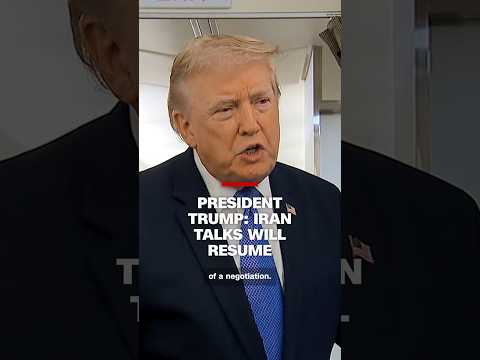
- On Monday, US President Donald Trump warned that Iran had a "last chance" to sign a peace deal before "decapitation."
- Trump told reporters that Many, many countries wanted to give the talks a last chance, adding This is a last chance for them to sign a good document and saying he wanted to give Iran every last chance before decapitation.
- Trump said Washington and Tehran had begun fresh negotiations despite Iran's Foreign Ministry earlier denying talks, adding that the talks were at Iran's request, backed by Saudi Arabia, the United Arab Emirates (UAE) and Qatar.
- Trump said the talks concerned reopening the Strait of Hormuz and limiting Iran's nuclear programme. He described "phase one" as having the Strait open "literally by tomorrow" and "phase two" as nuclear capacity, adding that the "denuclearisation of Iran has to happen."
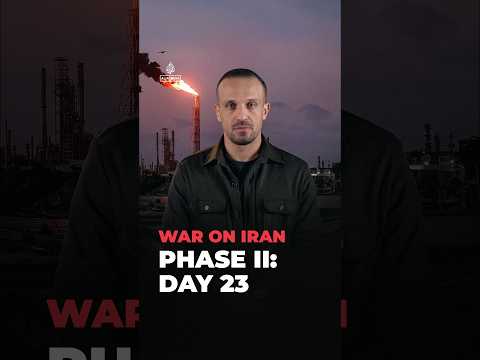
- The Strait of Hormuz has been a key sticking point in diplomatic efforts; Tehran effectively closed the passage - which carries roughly a quarter of the global seaborne oil trade - after US and Israeli strikes on Iran in late February, throwing energy markets into chaos.
- The US and Iran came to a tentative agreement in June with the signing of a "memorandum of understanding" aimed at ending the conflict and reopening the Strait, but retaliatory strikes soon started up again.
President Trump issued a stark warning to Iran, stating it has a 'last chance' to negotiate a peace deal or face 'decapitation.' Speaking from the Oval Office, he claimed that discussions are 'not very complex' and could lead to the reopening of the Strait of Hormuz as soon as tomorrow.678910
Trump emphasized that this is a critical moment, saying, 'This is a last chance for them to sign a good document.' He noted that the negotiations would initially focus on the Strait and then move to Iran's denuclearization, which he acknowledged would take longer.
Despite Trump's optimism, Iran's Foreign Ministry denied that any talks were occurring, with a spokesperson labeling Trump's statements as a 'new lie.' The Iranian military rejected claims of requesting the U.S. to halt attacks, asserting that such narratives are attempts to manipulate regional allies.
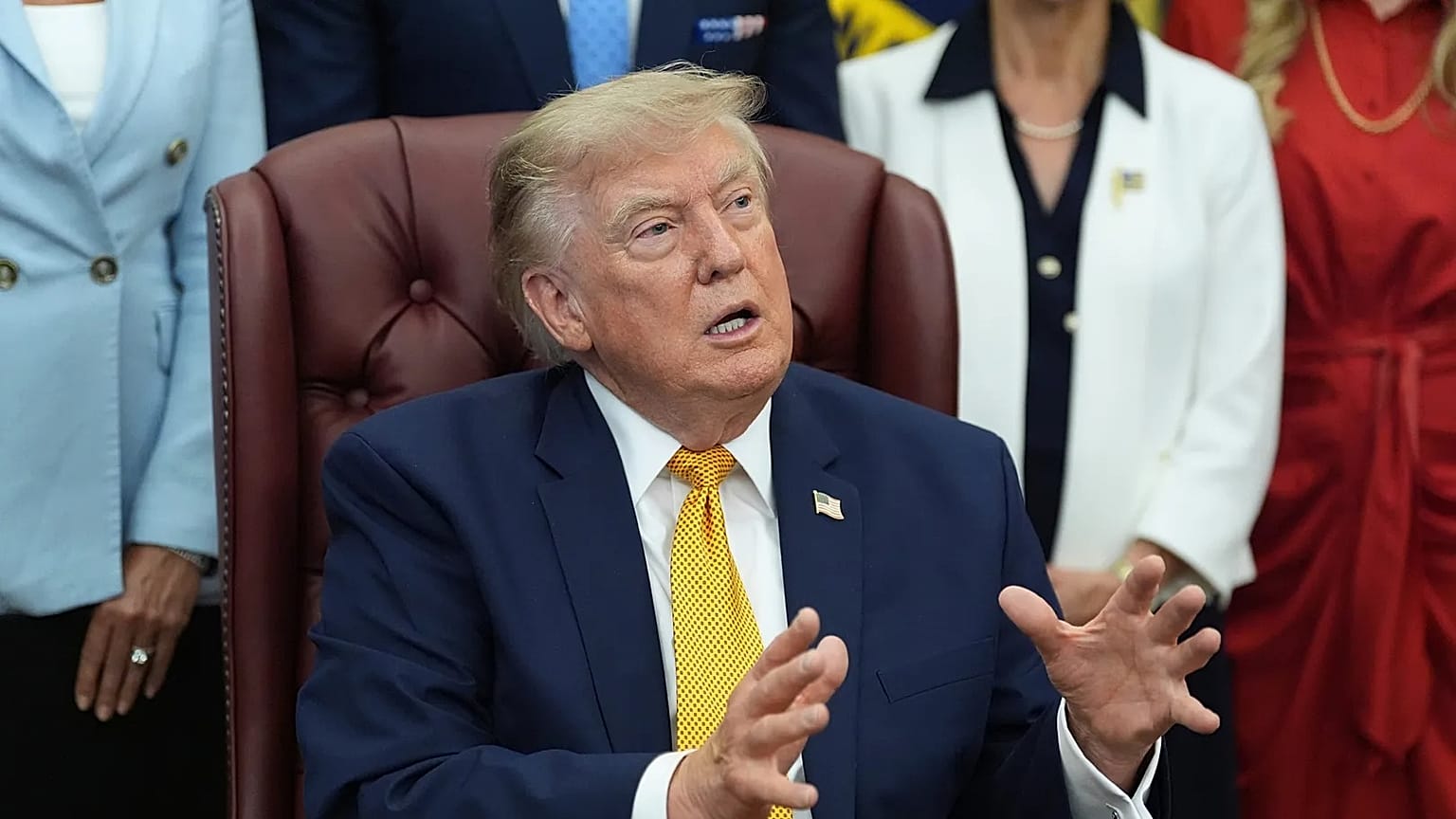
The Strait of Hormuz, a vital shipping corridor for global oil trade, has been a contentious issue, especially after Iran's actions following U.S. and Israeli strikes earlier this year.
Trump’s fluctuating stance between military threats and diplomatic overtures has raised questions about the U.S.'s ability to secure a meaningful agreement with Tehran.
As tensions remain high, the international community watches closely, with Trump indicating that support from regional allies like Saudi Arabia and Qatar is crucial in these negotiations.45
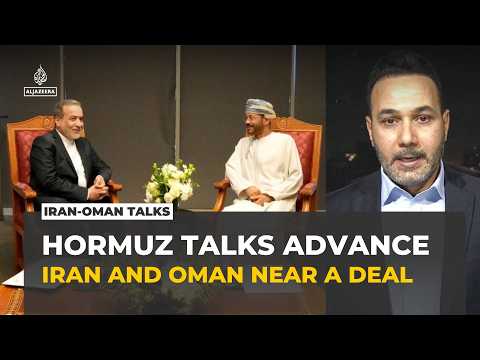
“Iranian Foreign Ministry spokesperson Esmail Baghaei said there were ‘no negotiations’ with the U.S., only Oman talks over safe passage through the Strait of Hormuz. Trump said Sunday the U.S. had an attack planned that would have been the biggest since World War II before Saudi Arabia, the UAE and Qatar reached out.”


 Euronews.com



