- War broke out between Iran and the United States on February 28 with US-Israeli attacks which triggered Iranian retaliation across the region.
- An April 8 ceasefire ended intense bombardment, but sporadic clashes continued in and around the Strait of Hormuz, which Iran has blockaded and has become a flashpoint.
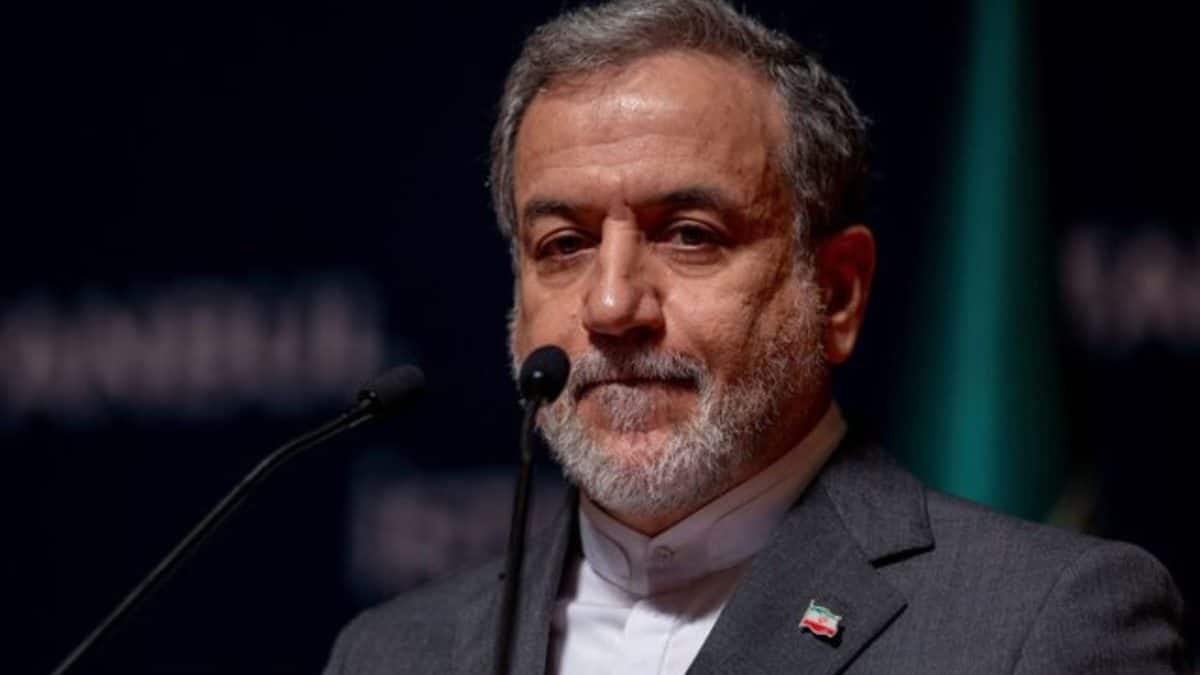
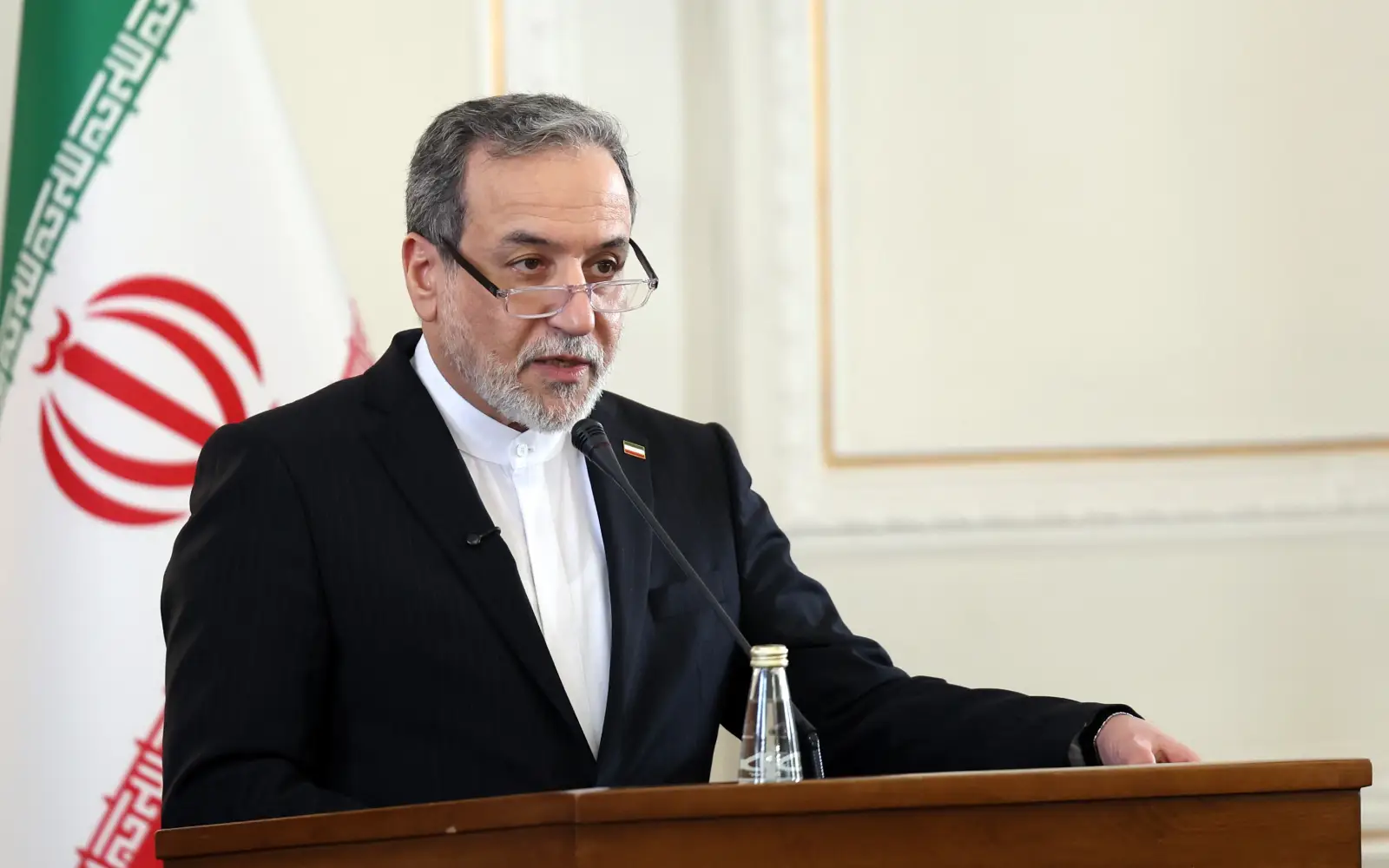
- Iran's Foreign Minister Abbas Araghchi dismissed US President Donald Trump's economic punishment plan as a continuation of "failed policies", which he said would bring Washington "further defeat".
- Araghchi called the plan "Economic D-Day" and said it is a "diversion from America's own crisis: unprecedented debt & surging interest costs", adding that "doubling down on failed policies will only bring further defeat -- and enmity of Iranians".
- Iran labeled the US actions as "economic terrorism" that "threatens global economy and sovereignty worldwide".
- Reopening the strait is a US priority, but Iran insists it will remain closed until Washington lifts its naval blockade, removes oil sanctions, and unfreezes Iran's assets abroad.
Iran's Foreign Minister Abbas Araghchi has dismissed President Donald Trump's announcement of an 'Economic D-Day' as a continuation of 'failed policies' that will only lead to further defeat for the U.S. In a post on X, Araghchi stated, "The so-called 'Economic D-Day' is a diversion from America's own crisis: unprecedented debt & surging interest costs. Doubling down on failed policies will only bring further defeat -- and enmity of Iranians."34
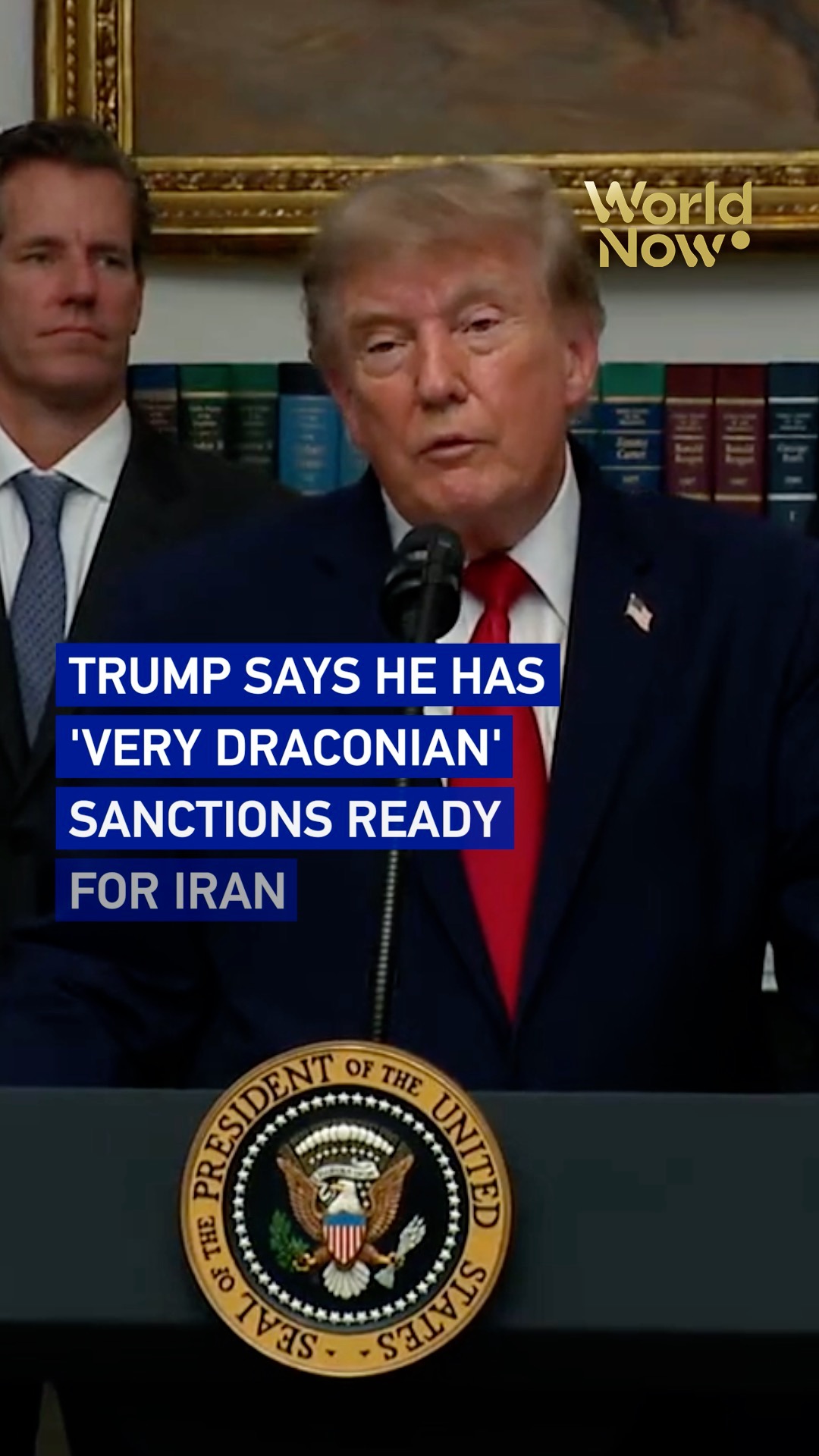
Trump, on his platform Truth Social, proclaimed the initiative as "the MOST CRUSHING ECONOMIC OPERATION EVER TAKEN AGAINST ANY COUNTRY!" He warned that any nation providing support to Iran would face "TREMENDOUS Economic Consequences."
Araghchi further condemned U.S. actions as 'economic terrorism', asserting that they threaten the global economy and sovereignty worldwide. The ongoing conflict between Iran and the U.S. has escalated, particularly following military actions that began on February 28, leading to a blockade of the vital Strait of Hormuz by Iran.125
The reopening of this crucial waterway has become a priority for the U.S., but Iran insists it will remain closed until the U.S. lifts its naval blockade, removes oil sanctions, and unfreezes Iranian assets abroad.
As tensions rise, the implications of Trump's economic strategy and Iran's response could have far-reaching effects on international relations and global markets.
“Araghchi said the plan is a 'diversion from America's own crisis: unprecedented debt & surging interest costs.' The conflict began February 28, and an April 8 ceasefire left sporadic clashes around the blockaded Strait of Hormuz, which Iran insists stays closed until sanctions are lifted.”