- The Trump administration has conditioned support for interim President Delcy Rodríguez's government on measures to open Venezuela's oil sector to US investors and cede control to the US government.
- In late August, the US announced a deal with Venezuela for the US to take control of more than half of the nation's crude reserves.
- The deal is prompting warnings that the Latin American nation will become akin to the so-called banana republics of a century ago.
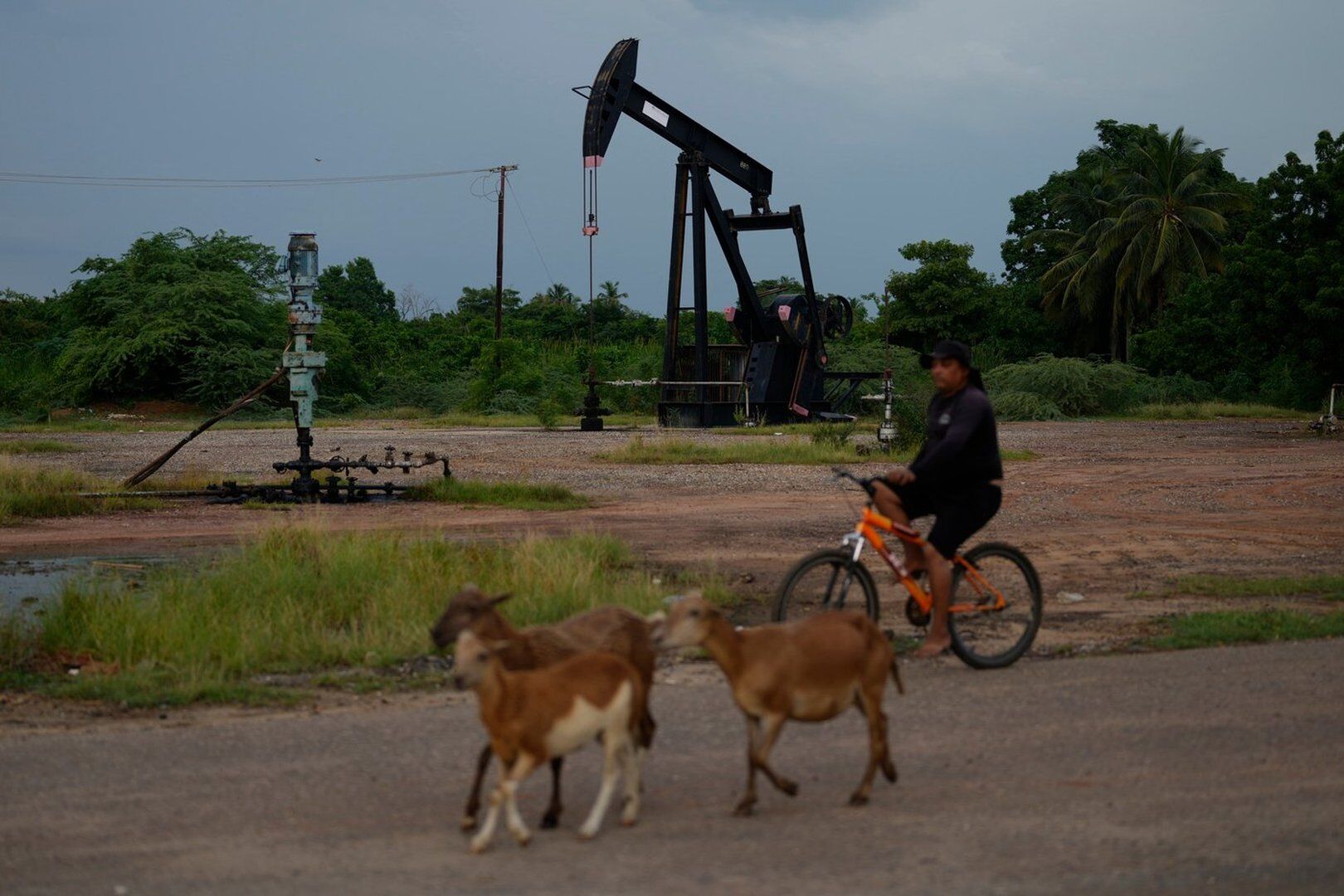
President Trump has announced a controversial deal allowing the U.S. to take direct control of Venezuelan oil fields, a move that has raised alarms about the country's future. The Trump administration has tied its support for interim President Delcy Rodríguez to conditions that require her government to open the oil sector to U.S. investors and cede significant control over the industry to the U.S. government.
This announcement follows the U.S. seizure of Nicolás Maduro on January 3, with the Trump administration emphasizing that the operation was motivated by both oil interests and drug charges against the Venezuelan leader, who is currently imprisoned in New York City. In late August, the U.S. announced plans for controlling more than a portion of Venezuela's crude reserves, further solidifying its grip on the nation's oil resources.
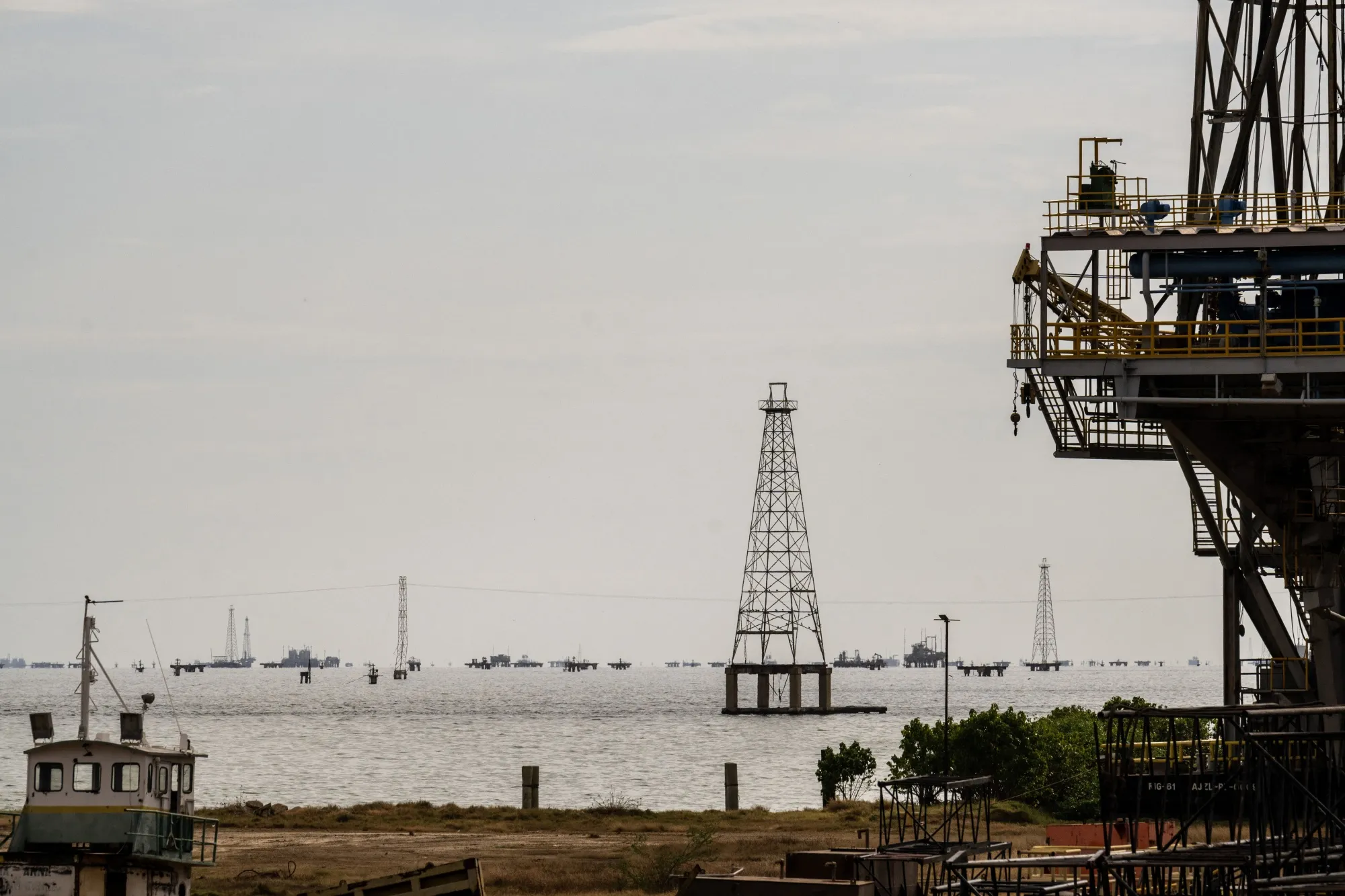
Critics warn that this arrangement could lead Venezuela to resemble the so-called banana republics of the past, where foreign powers exerted significant influence over local economies and governance. The implications of this deal could reshape the geopolitical landscape in Latin America, as the U.S. seeks to expand its influence in a region historically rich in resources but plagued by political instability.
“The deal, announced in late August, gives the US control of more than half of Venezuela's crude reserves. Critics warn the Latin American nation could become a modern-day banana republic, echoing a century-old pattern of foreign economic domination.”