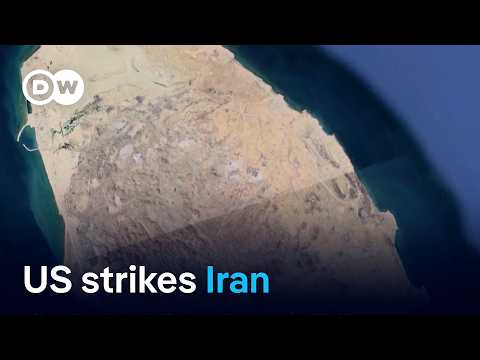
- US forces targeted two Iranian rocket launchers on Larak Island on Sunday, saying Tehran intended to launch rockets carrying sea mines into the Strait of Hormuz.
- Iran launched an attack on two American bases in Jordan on Monday in retaliation for the US attack on Larak Island.
- A tanker was struck by three unknown projectiles while transiting the Strait of Hormuz on Monday.
- Trump vows to strike Iran 'hard' after the first clash in a month.
- Tehran urges a return to the June deal, and oil prices rise as Trump vows to hit Iran 'hard'.
- Iran has told the UN Security Council that Tehran's strikes on US bases in Jordan were an act of self-defence after the US attack on Larak Island killed and wounded soldiers and civilians.
- The back-and-forth hostilities marked the first time that the U.S. and Iran traded strikes in over a month. While neither side appeared to be seeking a return to full-scale war, both signaled they were prepared to respond to further attacks.
- Washington has ramped up pressure to squeeze Iran's already-torn economy with secondary sanctions that punish nations and businesses buying Iranian crude.
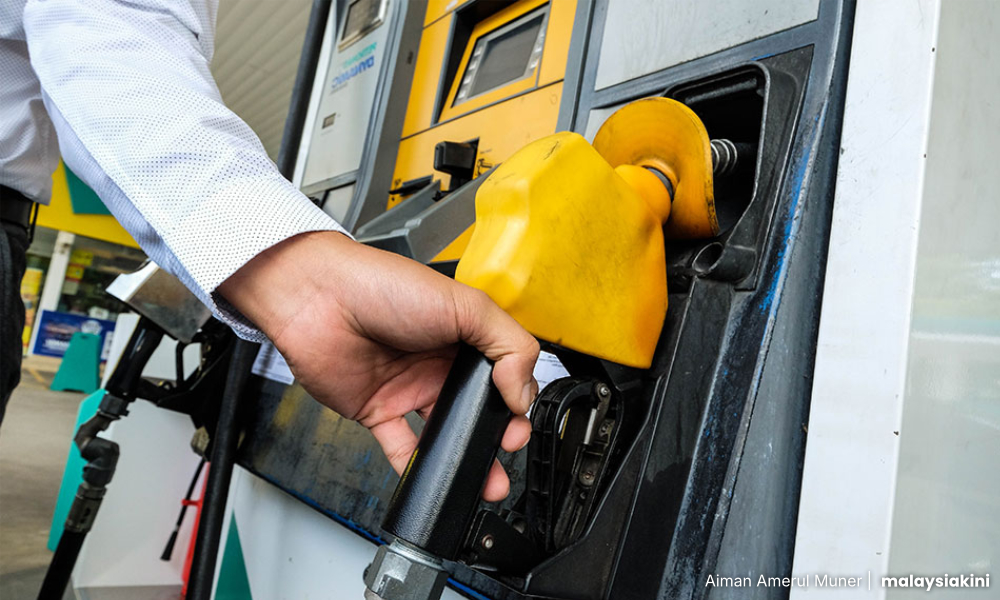
- Renewed attacks between the US and Iran have pushed crude oil prices above $91 a barrel, reigniting fears of persistent inflation and altering central bank interest rate expectations.
- Oil prices extended gains on Tuesday as traders mulled the threat of escalation, following the resumption of U.S.-Iran military strikes and more turmoil on the Strait of Hormuz.
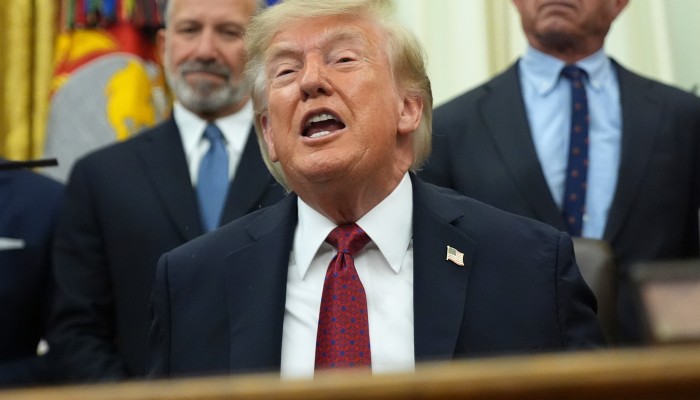
President Trump has pledged to respond decisively to Iran's recent military actions, stating, "We are going to hit them hard". This comes after a month of relative calm, with the U.S. and Iran exchanging strikes, including an attack on two American bases in Jordan.24
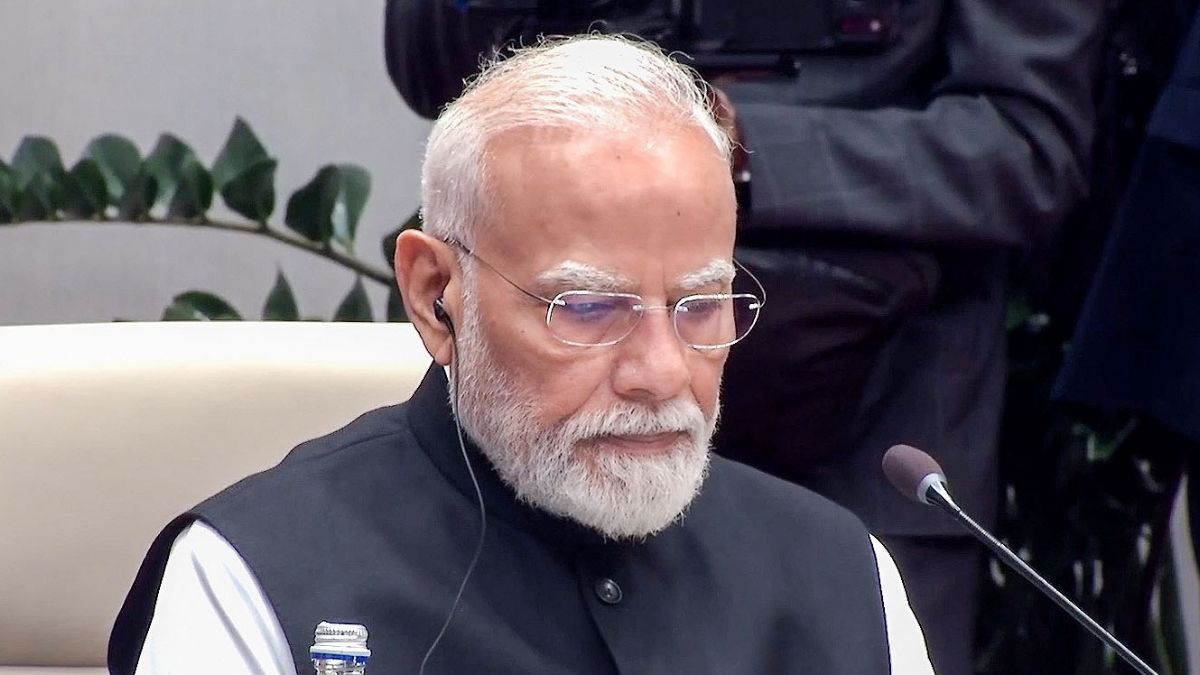
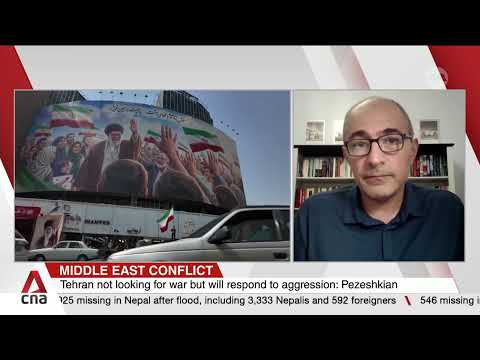
Iran's President Masoud Pezeshkian indicated that Tehran would reciprocate if the U.S. returned to commitments under a June interim deal. He made these remarks during the Shanghai Cooperation Organisation Summit, emphasizing Iran's readiness to respond to U.S. actions.5
The renewed hostilities have caused crude oil prices to soar above $91 a barrel, raising concerns about inflation and impacting global financial markets. International oil benchmark Brent was last reported at $91.35, while U.S. crude rose to $86.68 per barrel.9

Trump's administration has intensified economic pressure on Iran, implementing "secondary sanctions" aimed at crippling its economy. Treasury Secretary Scott Bessent noted that these sanctions are significantly affecting Iran's financial systems. Analysts suggest that the U.S. strategy focuses on specific military targets rather than broadening the conflict, as the war enters its seventh month.8
As tensions escalate, both nations appear prepared for further military engagement, with Trump asserting that Iran's capabilities have been severely degraded, yet warning that "it doesn't mean we won't smack them to see what happens".
“The clash marked the first US-Iran exchange in over a month, with a tanker struck by three projectiles near the Strait of Hormuz. Analysts see the US strikes as targeted punishment, not escalation, as Washington ramps up secondary sanctions to squeeze Iran's economy.”

 CNBC
CNBC