- Trump urges governors and mayors to welcome AI plants and data centers into their communities, saying he would "absolutely want" such projects because of the jobs and tax revenue they bring.
- The construction jobs are enormous, and Trump emphasized that if he were a mayor or governor, he would want a big AI plant or data center in his community due to the significant job creation and tax revenue.
- Amy Kremer, chairwoman of Humans First, announced the 'Data Center Revolt' bus tour, which will launch on Sept. 12 in Austin, Texas, described as the "battleground of the data center opposition movement."
- Trump has long been bullish on AI, announcing 'Stargate' on Jan. 21, 2025, which involves a private-sector joint venture planning to invest up to $500 billion in U.S. artificial intelligence infrastructure.
- The effort has expanded to multiple data-center projects across the country, with its flagship facility in Abilene, Texas, partially operational.
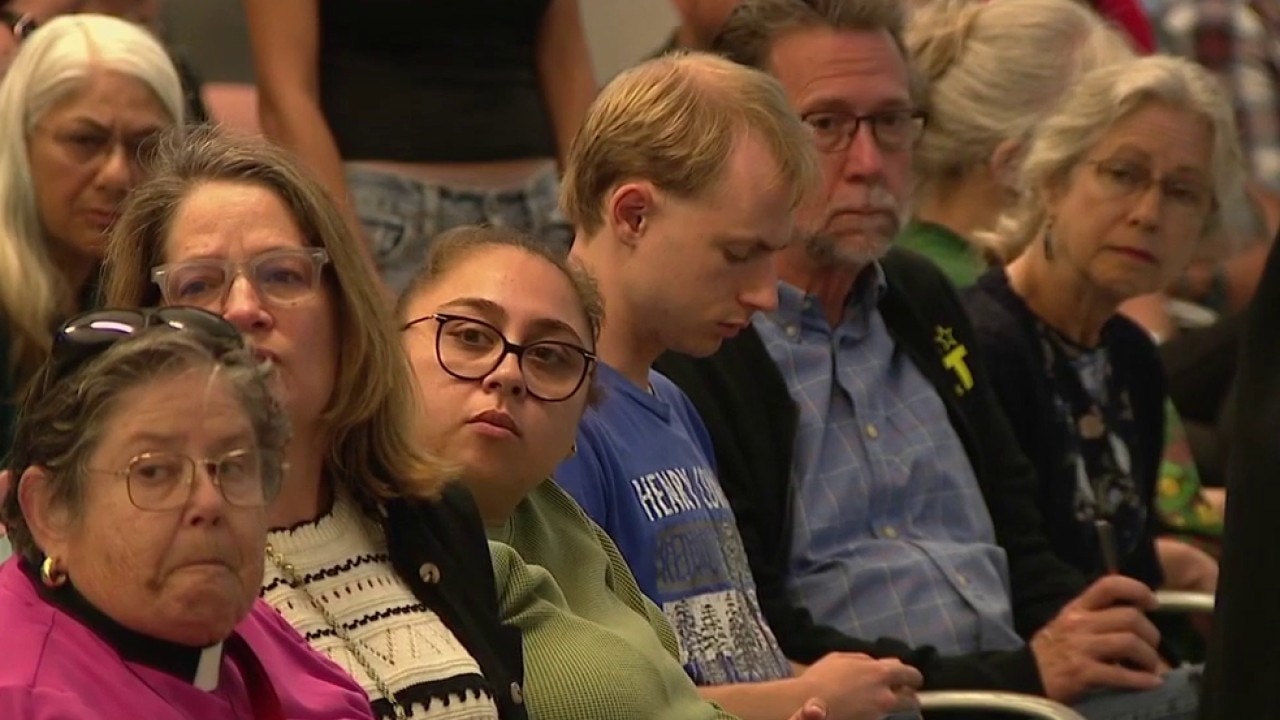
- Trump suggested that the AI industry needs "a little public relations help," as many Americans are opposed to data centers due to concerns about environmental impact and resource consumption.
- Kremer stated that the tour aims to give people a voice against Big Tech's push for AI technology, emphasizing that communities should have a say in decisions affecting their resources and quality of life.
President Trump is advocating for the establishment of AI data centers, emphasizing their potential to generate jobs and tax revenue. He stated, "If I were a governor or mayor, I would want that plant in my community," highlighting the economic benefits these projects could bring.
However, Amy Kremer, chairwoman of Humans First, has initiated the 'Data Center Revolt', a nationwide bus tour aimed at opposing the expansion of data centers. Kremer argues that communities lack a voice in decisions affecting their electricity rates, water, and overall quality of life. She stated, "The people don't have a seat at the table, they don't have a voice in what is being built in their community."3
Trump acknowledged the public's skepticism towards data centers, noting that many Americans are concerned about their environmental impact and resource consumption. He remarked, "I think it's going to create a lot of jobs. It's going to create success. It's going to create tremendous innovation medically."

Kremer's movement reflects a growing sentiment against unchecked corporate power, as she insists that local communities should not be forced to subsidize wealthy corporations. She stated, "Limited government doesn’t mean unaccountable corporate power."
A White House official emphasized that Trump's approach aims to ensure that data centers are responsible for their own utility costs while maintaining American leadership in AI technology. Kremer echoed the need for accountability, asserting, "People want Congress to act. They need to put safety mechanisms in place."
“The 'Data Center Revolt' bus tour, launching Sept. 12 in Austin, Texas, aims to give communities a voice against Big Tech's AI buildout, with Kremer drawing parallels to the Tea Party movement. Trump also touted his administration's efforts to expedite data center permitting and secure new electricity sources, while a May poll showed most Americans oppose local data centers due to environmental and resource concerns.”
 Fox Business
 Fox News