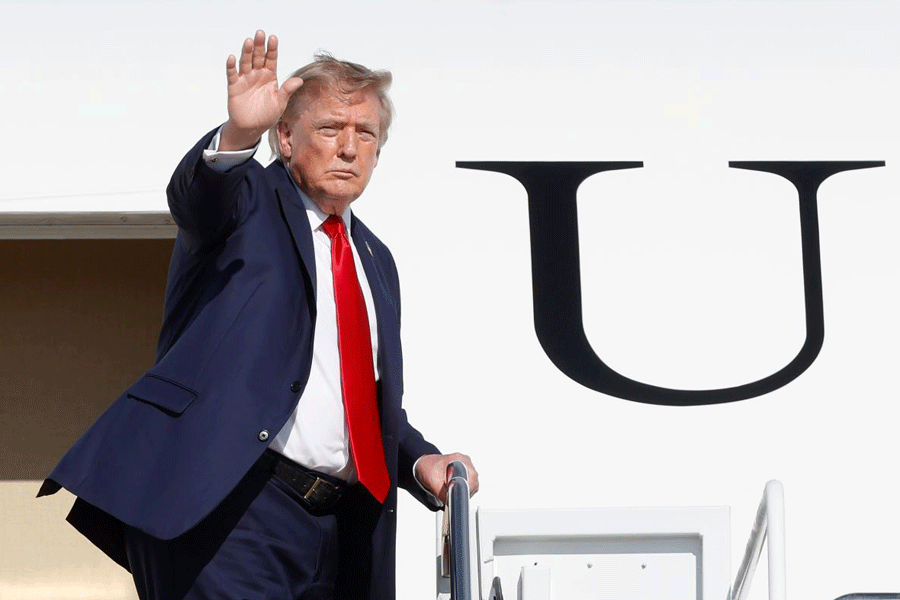
- US President Donald Trump is selling the Venezuela oil deal as the biggest oil deal in world history that will alter the crude oil industry and bring relief to American drivers, with a clear eye on the crucial US midterm elections.
- Trump said on Truth Social that the agreement gives the US majority control of more than 65 billion barrels of oil reserves in Venezuela, would double US oil reserves, and substantially lower gas prices for all Americans, long into the future, with no cost to taxpayers.
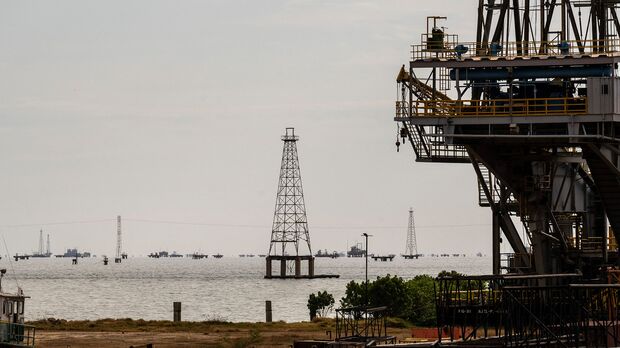
- Venezuela has more proven oil reserves than any country on earth, some 303 billion barrels (17% of the world’s total), but currently produces only around 1.25 million barrels a day, down from over 3 million barrels a day decades ago.
- Venezuela’s decline followed years of under-investment, mismanagement, loss of expertise and US sanctions, and cannot be swiftly reversed.
- Interim President Delcy Rodríguez says the deal aims to lift production to 1.5 million barrels a day initially, which would add only about a quarter of one per cent of global oil supply—not enough to reduce gasoline prices significantly.
- Analysts doubt any material impact soon: Rachel Ziemba of the Center for a New American Security said it is unlikely to have any material impact on global oil supplies in the next month or even the next year.
- The administration admitted Venezuela needs a recovery programme requiring close to $100 billion in investment from oil companies.
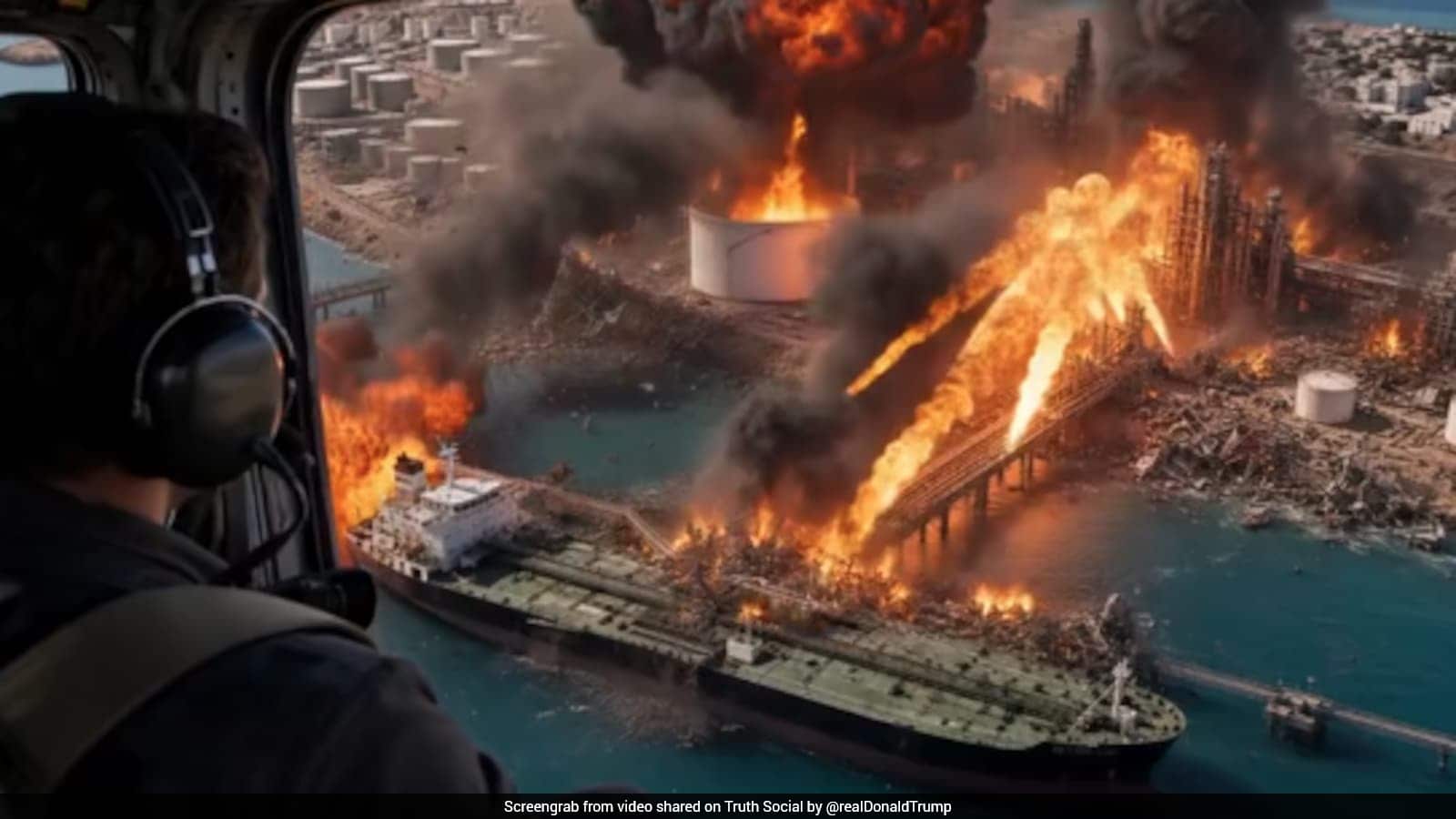
- Any effect on gasoline prices is limited by the war with Iran disrupting the Strait of Hormuz, through which one-fifth of global oil trade moved before the conflict.
- Analysts estimate that to knock 25 cents off a gallon of gasoline would require a $10-a-barrel drop in crude; a 50-cent cut needs $20, and a dollar-a-gallon fall needs a $40 nosedive.
- Venezuelan opposition critics have slammed the US agreement as a neocolonial landgrab.
President Trump has touted a new oil deal with Venezuela as the "biggest in world history", claiming it will significantly lower gas prices for Americans. The agreement reportedly gives the US majority control over 65 billion barrels of oil reserves, potentially doubling US reserves.34
However, analysts are skeptical about the deal's impact on global oil supplies. Rachel Ziemba from the Center for a New American Security stated, "This is unlikely to have any material impact on global oil supplies in the next month or even the next year." Venezuela currently produces only 1.25 million barrels a day, far below its historical output of over 3 million barrels due to years of mismanagement and sanctions.1213
Venezuelan officials estimate that the deal could increase production to 1.5 million barrels a day, but this would only represent a quarter of one percent of the global oil market, insufficient to significantly affect gasoline prices. David Goldwyn noted the challenges posed by Venezuela's political instability and infrastructure issues, stating, "hard to see how this kind of arrangement would accelerate investment at any material scale."
Critics, including Venezuelan opposition leaders, have condemned the agreement as a "neocolonial" landgrab, raising concerns about the implications for Venezuela's sovereignty and future.19
As the midterm elections approach, the administration's ability to deliver on these promises remains uncertain, with the need for a $100 billion investment to revitalize the oil sector.14
“Venezuela's output is only 1.25 million barrels a day, and even reaching 1.5 million would add just a quarter of one percent to global supply. Analysts note tankers wait up to 30 days to load due to ageing terminals, and the war with Iran has cut Strait of Hormuz traffic by 90%.”