- Mr. Trump posted on Truth Social that 'Canada wants the benefits of being a State, without being one!!!' and threatened to raise auto and steel tariffs to 50 per cent in January, though steel tariffs are already at 50 per cent.
- The trade war became about sovereignty when Mr. Trump mused about making Canada the 51st state and threatened economic coercion to fulfill his imperialist dreams.
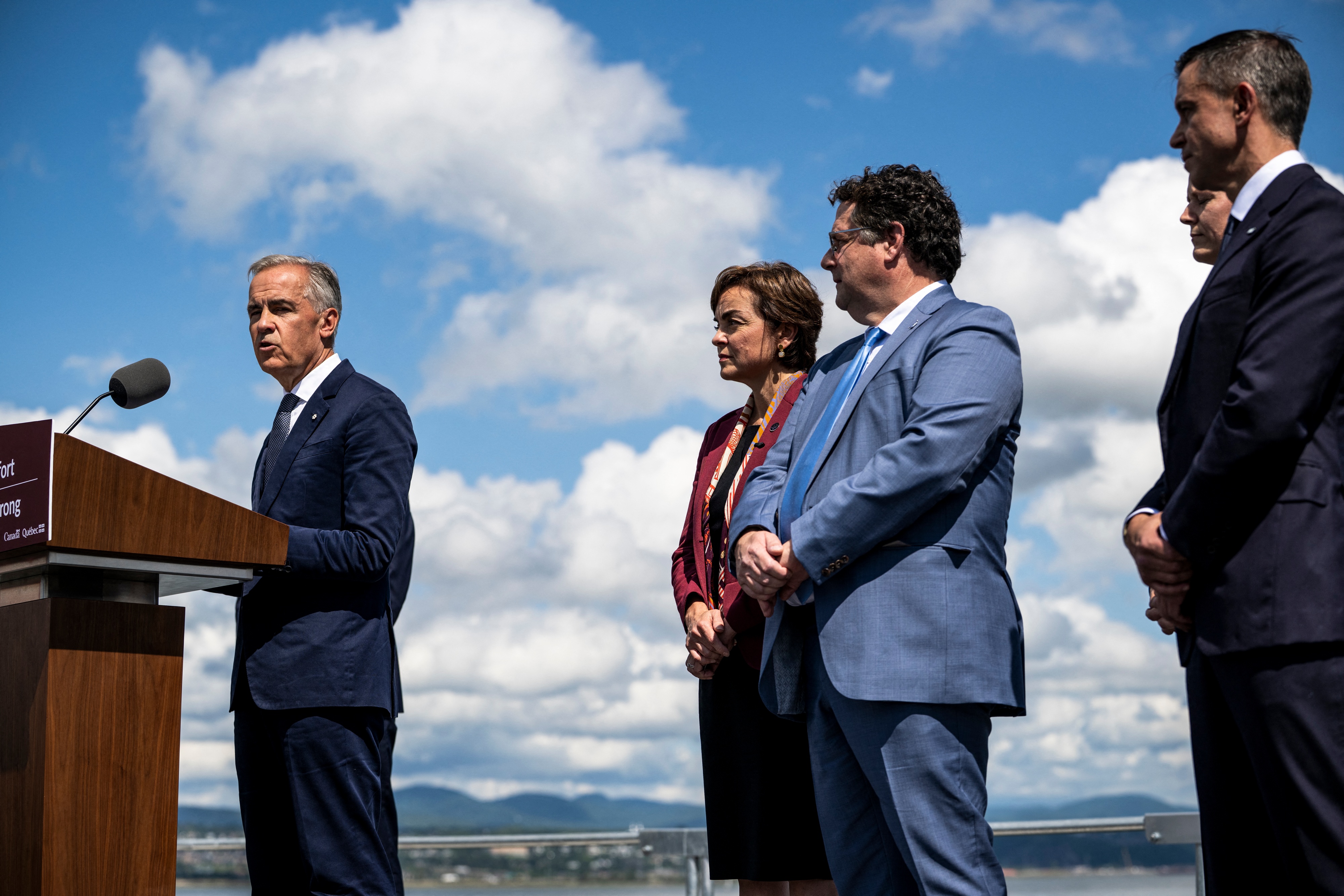
- Prime Minister Mark Carney said the Americans 'asked too much and offered too little' in negotiations, and that Canada is in a trade war simply because we 'got attacked.'
- A recent survey for the New North American Initiative at the University of Calgary found that only 31 per cent of Americans believe the bilateral relationship is negative, compared to 81 per cent of Canadians.
- According to Mr. Carney, American negotiators attempted to slip in unreasonable conditions, including language restricting Canada’s ability to sign other trade deals and French-labelling requirements.
- The U.S. also tried to coerce Canada to drop CanCon requirements for streamers, which is an issue Canadians can debate but not something foreign powers can demand.
- Canadians are fighting for sovereignty, while Americans are fighting for more expensive cans of Coke (due to a 50-per-cent tariff on aluminum imports) and higher-priced groceries.
President Trump has threatened to impose 50% tariffs on auto and steel imports starting in January, intensifying a trade conflict with Canada. Prime Minister Mark Carney stated that Canada is in a trade war because it "got attacked" by unreasonable U.S. demands during negotiations.34
The trade war has raised concerns about Canadian sovereignty, as Carney criticized American negotiators for attempting to impose restrictions on Canada's ability to sign other trade agreements and for demanding French-labelling requirements on products. This situation reflects a broader sentiment among Canadians, with 77% believing the U.S. poses a major threat, compared to only 8% of Americans who see Canada as a significant economic challenge.2691011
Trump's comments on social media suggested that Canada seeks the benefits of statehood without the responsibilities, further fueling tensions. The trade war has implications for everyday Canadians, as tariffs could lead to higher prices for goods, including groceries and beverages, with Coca-Cola facing increased costs due to aluminum tariffs. As the situation unfolds, Canadians are left questioning the rationale behind U.S. actions and the potential impact on their economy.
The stakes are high, as Canada fights for its sovereignty against what many perceive as economic coercion from the U.S., reminiscent of 17th-century imperialist ambitions.
“A University of Calgary survey found 81% of Canadians view the bilateral relationship as negative, versus 31% of Americans. Trump also pressured Canada to drop CanCon requirements for streamers, which Carney called an unreasonable condition.”




 The Globe and Mail