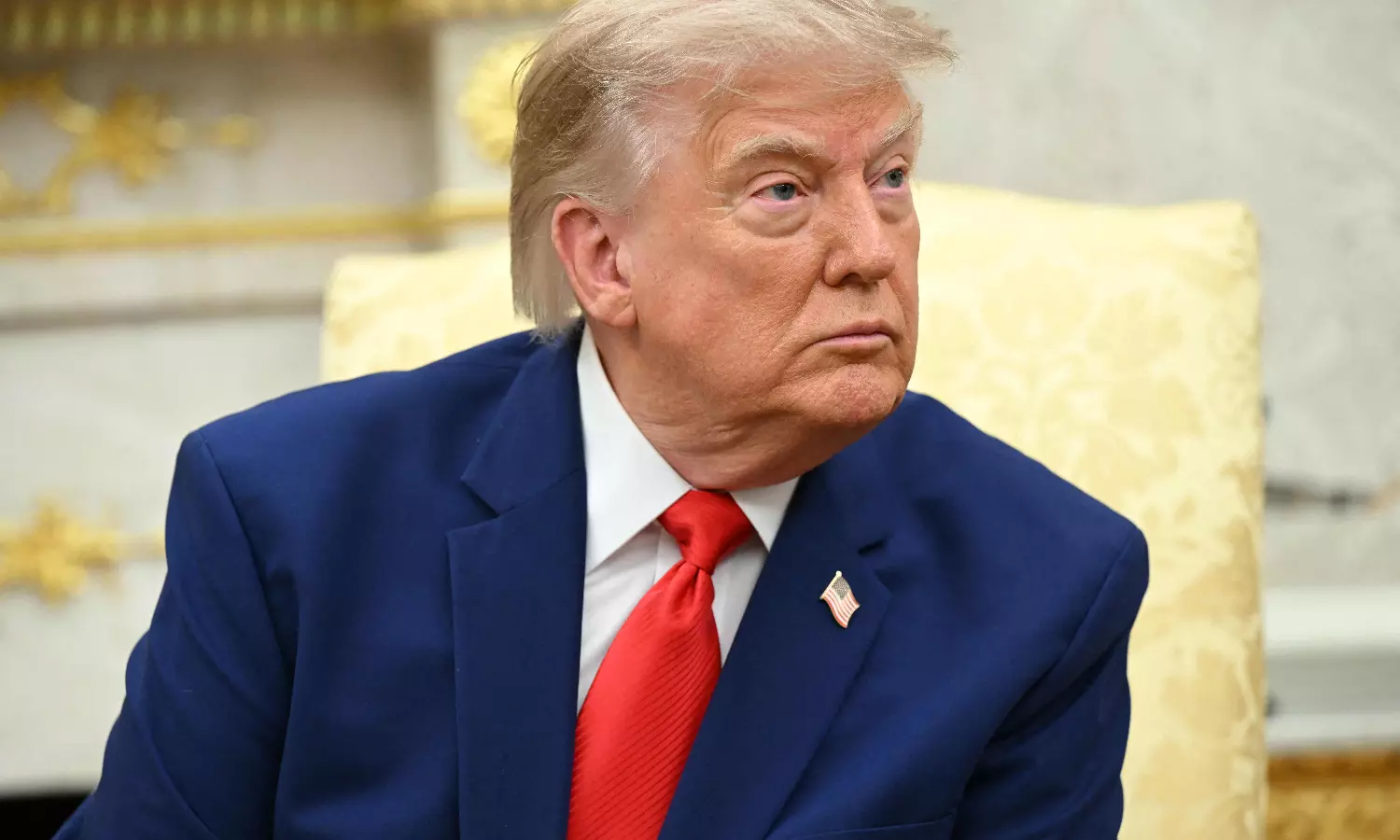
- Donald Trump has announced a tariff plan for generic drugs, giving global drugmakers until August 2028 to shift production to the US or face tariffs of up to 200%.
- The US will impose tariffs of 100% starting August 2028, escalating to 200% in August 2029 for generic drugs not produced domestically.
- Indian companies currently supply 47% of all generic prescriptions in the US, making them the largest source of affordable generic medicines.
- Pharmaceutical stocks reacted negatively to the announcement, with the Nifty Pharma index falling 1.31%.
- The US imports $9.7 billion worth of generics from India, which helps save around $200 billion annually in healthcare costs.
- Experts suggest that the tariffs may serve as a negotiating tool for a favorable trade deal with India.
- Dr. Reddy's Laboratories CEO stated that moving operations to the US is not practical overnight and that tariffs would lead to higher prices.
- Granules India Executive Director warned that higher generic drug prices could affect patient affordability across the healthcare system.
President Trump has announced a significant policy shift for generic drugmakers, mandating that they establish U.S. manufacturing by August 2028 or face tariffs of up to 200%.12
Effective August 1, 2026, generic drugs will initially have a zero percent tariff for two years, followed by a 100% tariff for one year, and then 200% thereafter.
This initiative aims to reshore pharmaceutical production, as the U.S. grapples with a shortage of around 250 drugs.
Indian companies currently supply 47% of all generic prescriptions in the U.S., exporting $9.7 billion worth of generics annually, which helps save the U.S. healthcare system approximately $200 billion.35
However, experts warn that the tariffs could lead to increased medicine costs for American consumers.6

“It’s not practical to move operations like that to the U.S. overnight. If tariffs are imposed, we will have to raise prices,” said Dr. Reddy’s Laboratories CEO Erez Israeli.
The announcement has already impacted pharmaceutical stocks, with the Nifty Pharma index falling 1.31%.4
Pharmexcil Chairman Namit Joshi noted that the zero-tariff window provides a meaningful runway for the industry to strengthen its market position.
Experts also view the tariffs as a negotiating tool to secure a favorable trade deal with India.
While the policy has a long implementation timeline, it could still be modified or overturned by future political developments.
“Indian companies supply 47% of all generic prescriptions in the US; exports worth $9.7 billion could be impacted. The Nifty Pharma index fell 1.31% as executives warned higher tariffs would raise costs for American patients.”

 Deccan Chronicle



