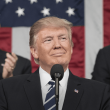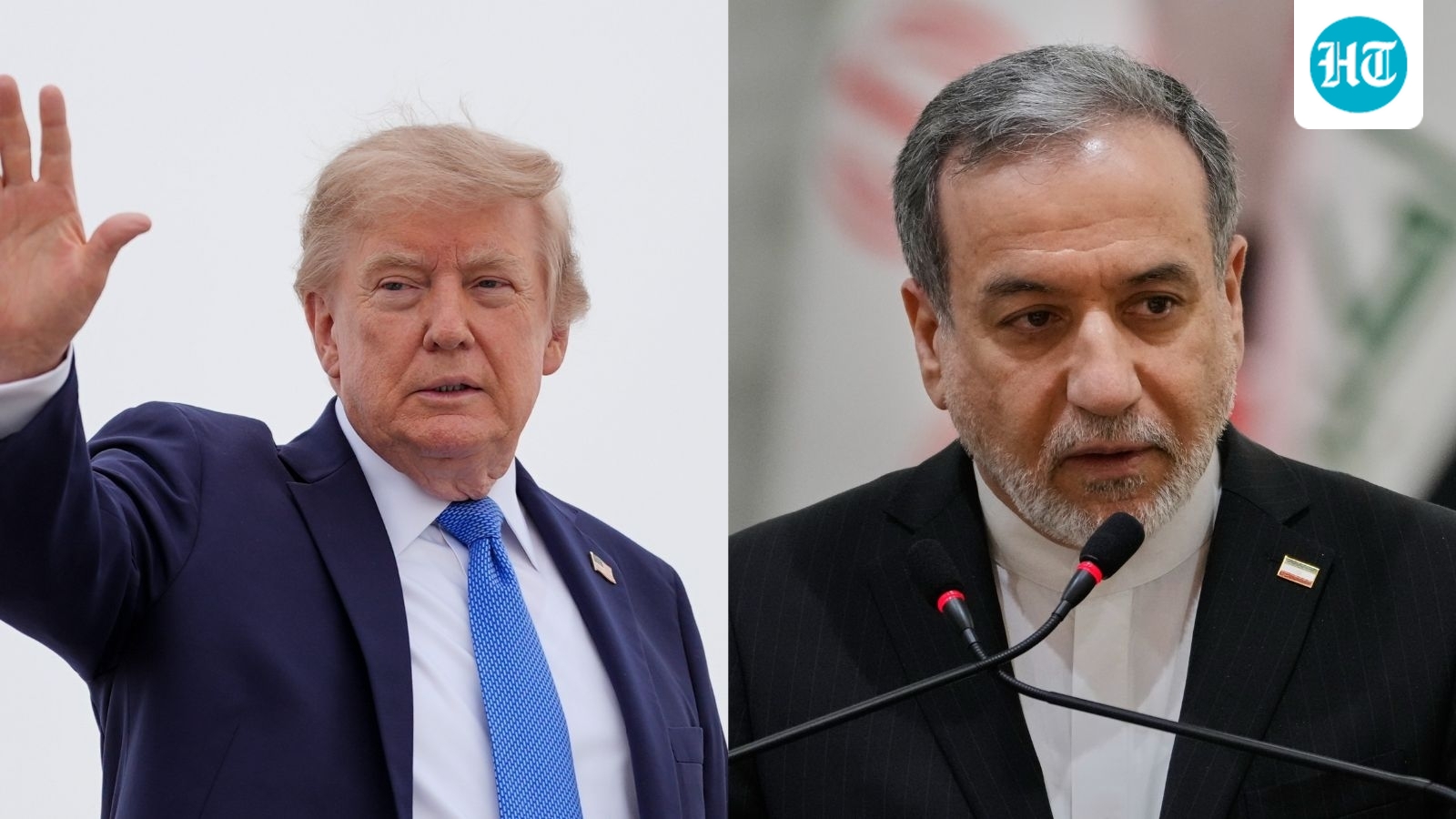
- At a political rally in Garden City, New York, Trump said that paying a tiny little bit more for your gasoline would be worth the cost of ensuring a very evil country could not have nuclear weapons.
- Trump vowed to declare Hormuz a territory of the United States after America defeats Iran.
- Iran called on the United States to accept the reality of defeat, asserting that the strait will open and close only under its command.
- Iranian foreign minister Abbas Araghchi stated that Tehran has not decided to resume talks with the U.S. and demands conditions for shipping to resume.
- U.S. Treasury Secretary Scott Bessent announced that more financial measures against Iran would be made next week.
- Gasoline prices in the U.S. hit $4.08 per gallon, marking a 29% increase year-over-year.
- Crude oil futures rose $1 a barrel, with Brent futures on track for a 6% weekly rise and West Texas Intermediate (WTI) up 5.4%.
- Iranian President Masoud Pezeshkian blamed high inflation on a U.S. blockade of the country's ports and sanctions on Iran's oil exports.
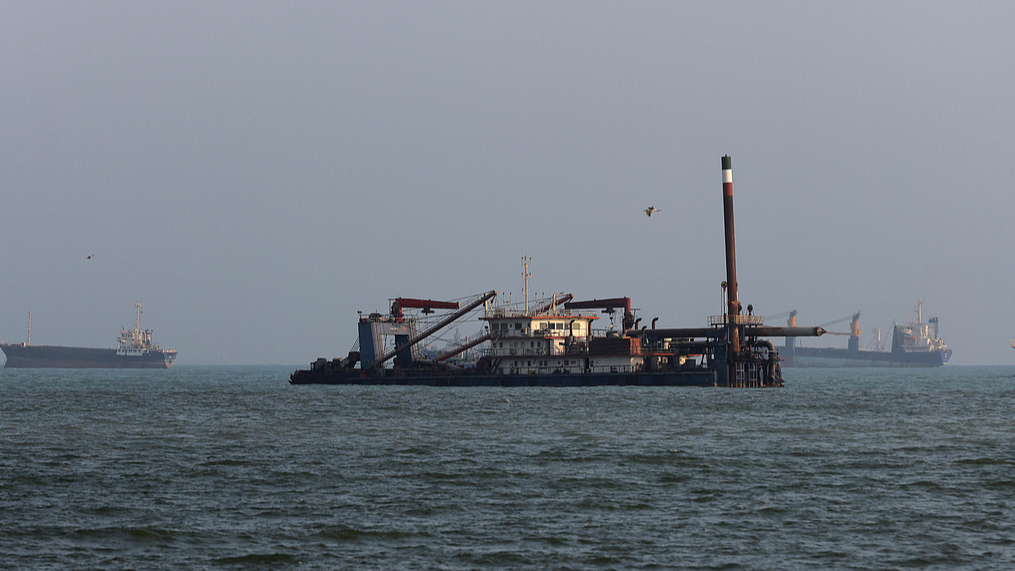
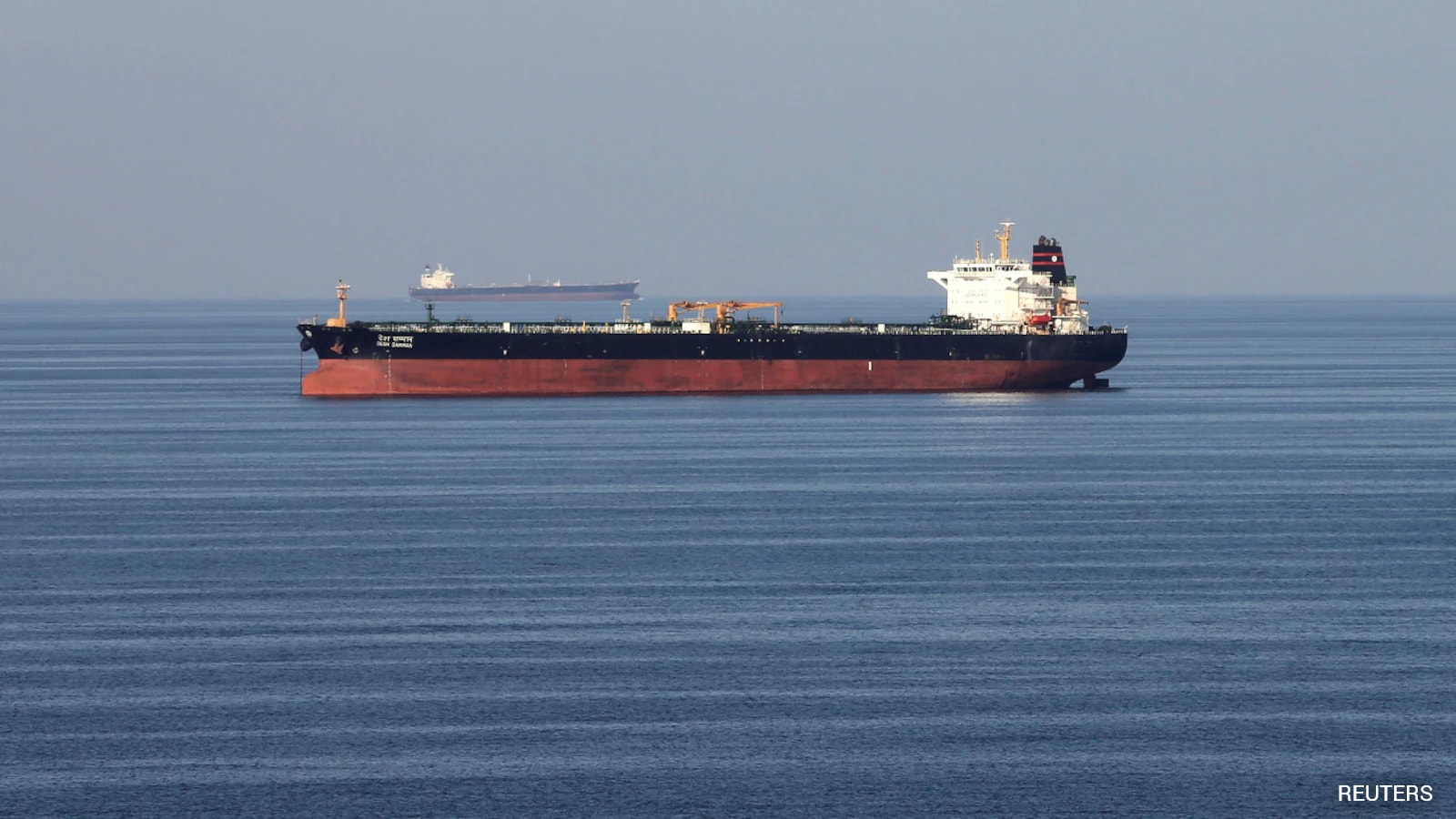
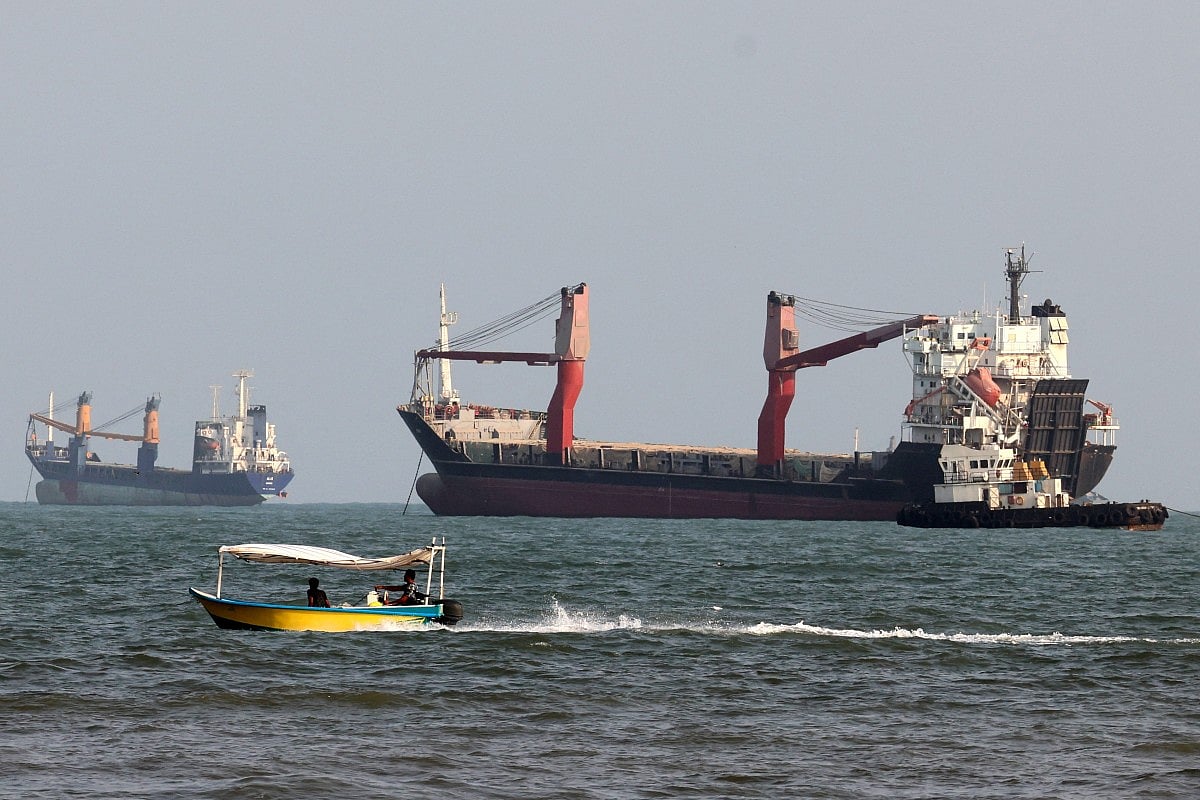
- Ship-tracking firm Kpler reported that only two vessels crossed the strait on Friday, compared to over 130 daily before the war.
- The Abu Dhabi National Oil Company (ADNOC) confirmed that its vessels were targeted while transiting the strait.
- Iran-backed Houthi forces launched ballistic missiles at the Red Sea port of Mocha and targeted a Saudi Aramco facility with a drone.
- The USS Abraham Lincoln aircraft carrier group has been deployed at sea for nine consecutive months, with Trump stating it will soon rotate out.
Trump's remarks at a rally in Garden City, New York, emphasized the need for Americans to accept higher gas prices to combat Iran's nuclear ambitions. He stated that paying a "tiny little bit more" for gasoline would be justified to prevent a "very evil country" from obtaining nuclear weapons.
In a bold declaration, Trump vowed to declare the Strait of Hormuz a U.S. territory following a military victory over Iran. This statement comes amid a deepening crisis in the region, where Iran has asserted control over the strategic waterway, crucial for global oil shipping.
Iran's deputy foreign minister, Kazem Gharibabadi, countered Trump's claims, stating that the strait will open and close only under Iran's command. He dismissed the notion that the waterway could be seized through political rhetoric or military might, emphasizing that Iran will continue to enforce its blockade.

The ongoing tensions have led to significant economic repercussions, with the average price of gasoline in the U.S. rising to $4.08 per gallon, a 29% increase from the previous year. This surge in fuel prices has contributed to inflation and dissatisfaction among voters, challenging Trump's earlier promises to lower energy costs.6
As the situation escalates, U.S. Treasury Secretary Scott Bessent has indicated that further financial measures against Iran will be announced soon. Meanwhile, Iranian officials have stated that they will not resume talks with the U.S. unless certain conditions regarding the strait are met, including sanctions relief and reparations.
The crisis continues to unfold, with the potential for further disruptions in global oil supply and rising tensions in the region.
“Iran's deputy foreign minister Kazem Gharibabadi said the strait will open and close 'only under Iran's command,' while ship-tracking firm Kpler reported just two vessels crossed on Friday versus over 130 daily before the war. Gasoline prices hit $4.08 a gallon, up 29% year-over-year, and Brent crude futures rose 6% weekly.”