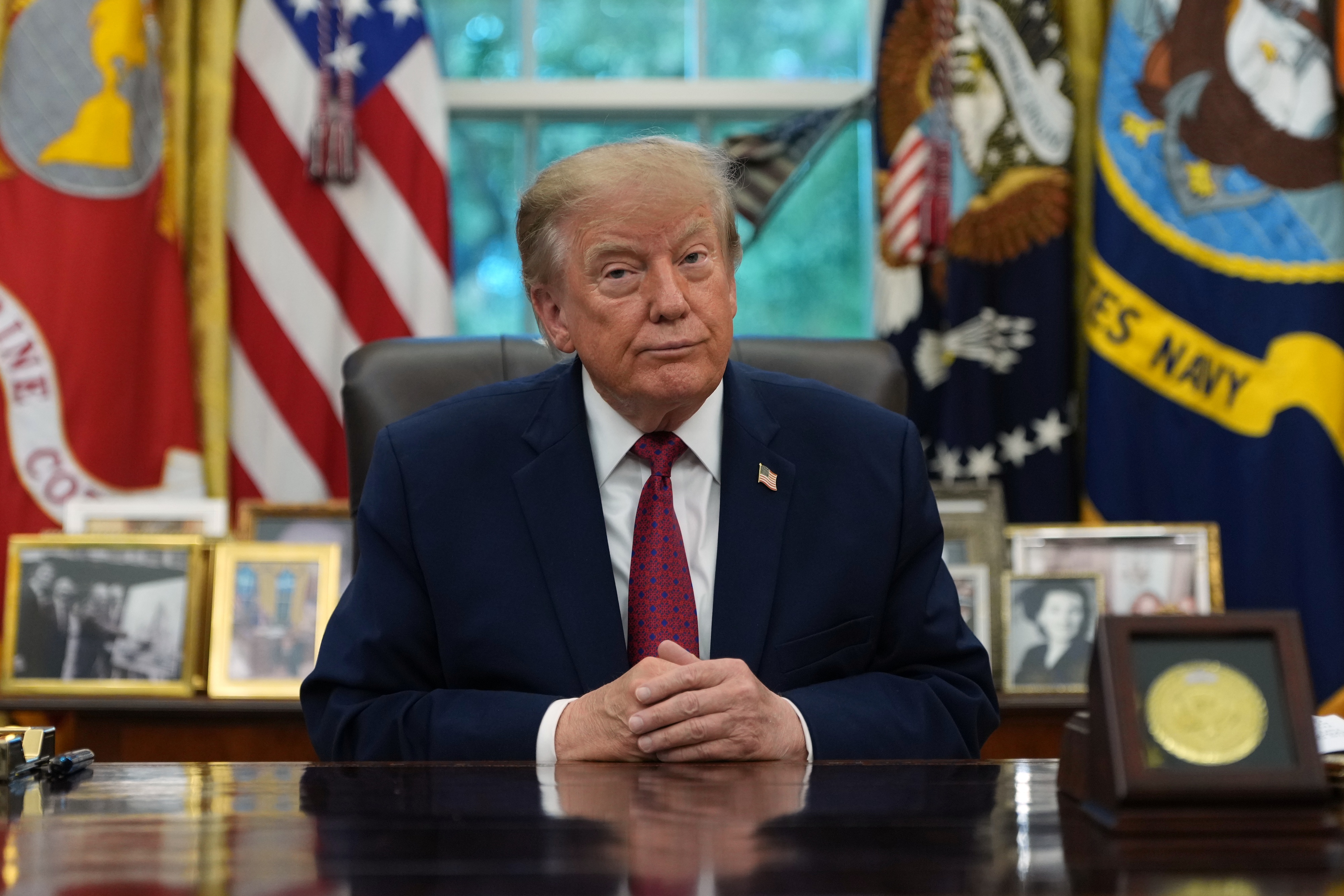
- During his first television interview since his party lost control of the US House of Representatives and the Senate, Trump said some voters were unhappy with his administration’s controversial deportation drive.
- Trump said a moderate immigration deal would still deport criminals, but allow “good people” who had lived and worked in the country “paying taxes” to stay.
- Senate Democratic leader Chuck Schumer criticized the appointment of Stephen Miller, saying, “Trump says his immigration crackdown went too far” and “Apparently, his solution was to put the man responsible for it in charge of the White House. That’s not a course correction. That’s a promotion.”
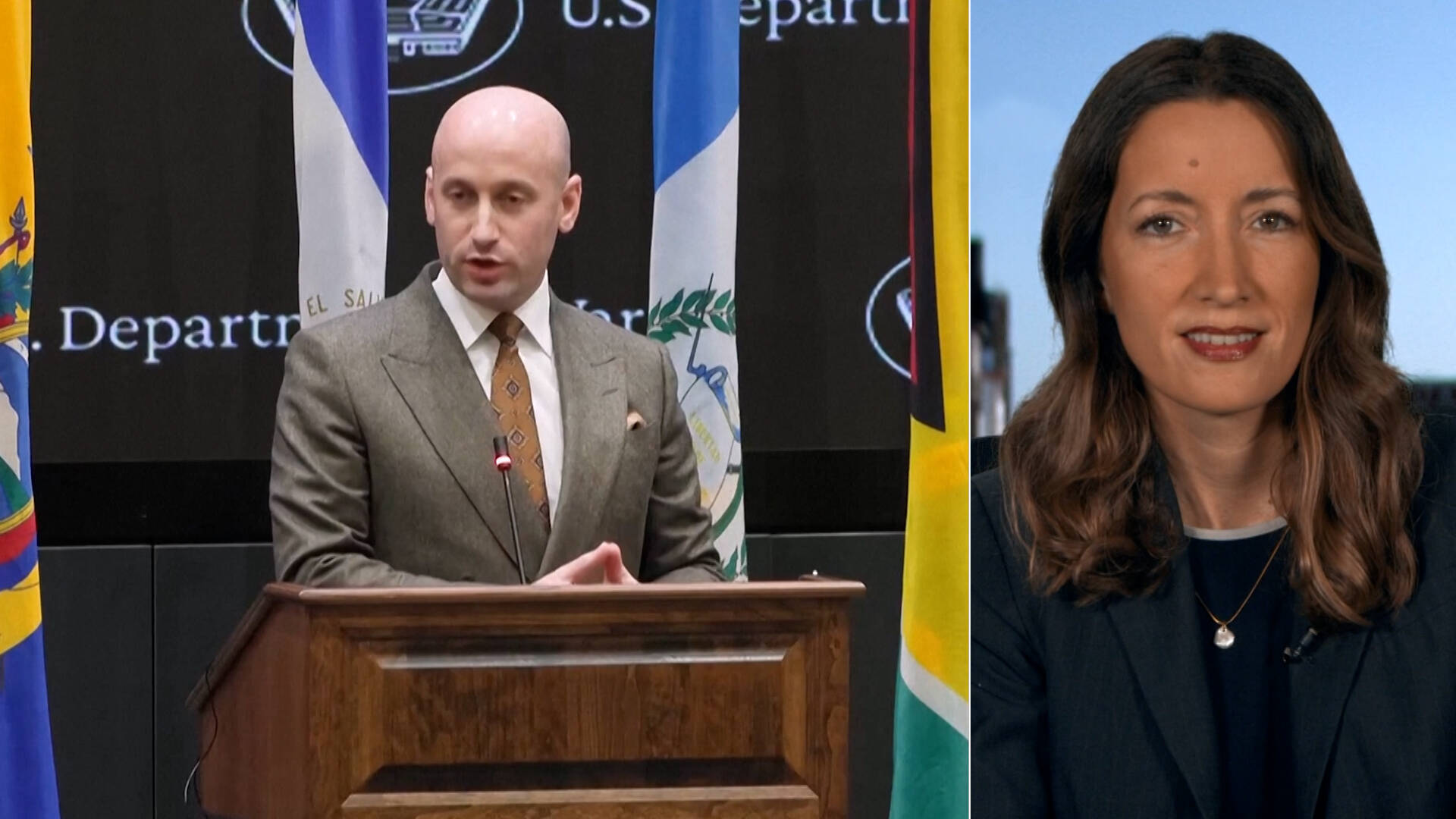
- The interview was aired after Trump appointed Stephen Miller, the chief architect of his hardline immigration policy, to replace Susie Wiles as his White House chief of staff, prompting questions about the direction of his immigration policy.
- Trump said he may be able to work with the new Democratic-controlled Congress on some kind of immigration agreement, adding, “I think that’s something that’s actually doable.”
In a revealing interview with CBS's 60 Minutes, President Trump reflected on his immigration policy's impact on the recent midterm elections, admitting, "I think it might be too tough," and acknowledging that his hardline stance may have alienated voters.
Trump indicated a willingness to collaborate with the newly Democratic-controlled Congress, stating, "The deal would be we would work something out," and expressing optimism that a moderate immigration agreement could be reached.56
Despite this potential shift, Trump reaffirmed his commitment to deporting criminals, while suggesting that "good people" who have contributed to society should be allowed to stay. This comes after appointing Stephen Miller, a key architect of his stringent immigration policies, as his new chief of staff, raising questions about the future direction of his immigration strategy.34
Senate Democratic leader Chuck Schumer criticized Trump's remarks, stating, "Apparently, his solution was to put the man responsible for it in charge of the White House. That’s not a course correction. That’s a promotion." Trump's administration has faced backlash for its extensive deportation operations, which have significantly increased arrests across the country.1
“The interview aired after Trump appointed Stephen Miller, architect of his hardline policy, to replace Susie Wiles as chief of staff. Senate Democratic leader Chuck Schumer called it 'a promotion,' not a course correction, while Trump proposed deporting criminals but allowing 'good people' who pay taxes to stay.”