- Trump claimed the strait between Oman and Iran was US territory in August.
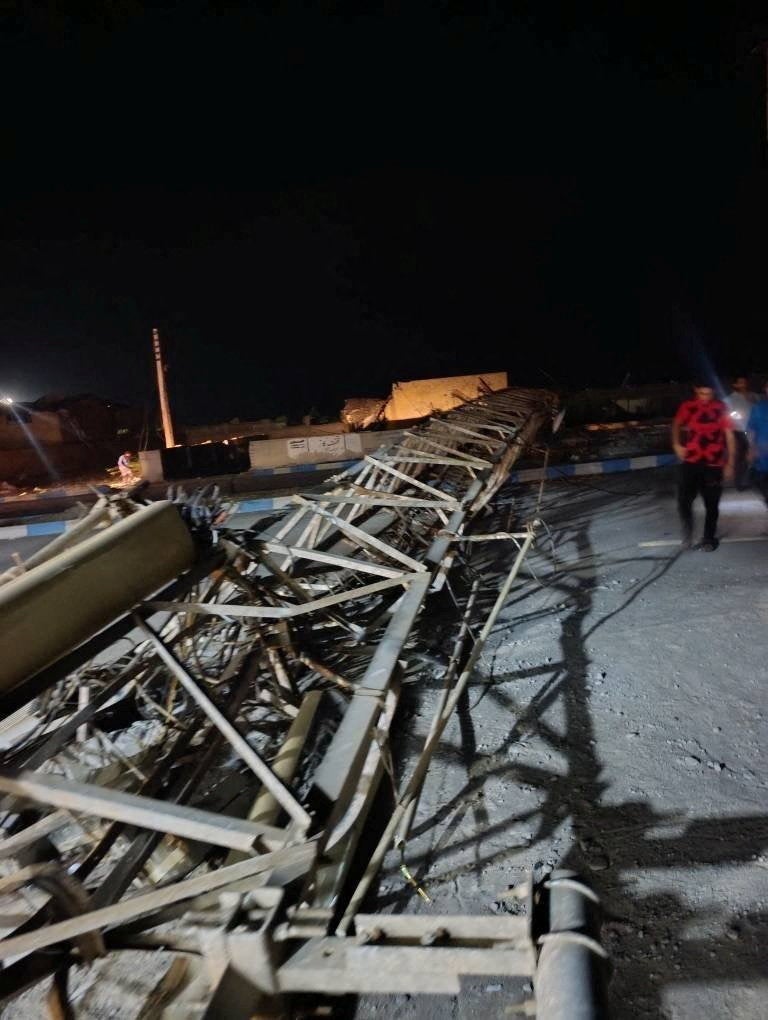
- The US deployed over a dozen ballistic missiles at Iran, targeting radar systems and military assets along the coastline, following attempted attacks on ships in the strait.
- On Tuesday, the US conducted a multi-faceted operation, hitting nearly 60 military targets around the strait while escorting 40 commercial vessels carrying 18 million barrels of oil, marking a wartime high.
- Trump said Wednesday that the most recent round of US strikes went beyond targeting Iran's radar systems, in an effort to eliminate the nation's ability to track ships through the Strait of Hormuz.
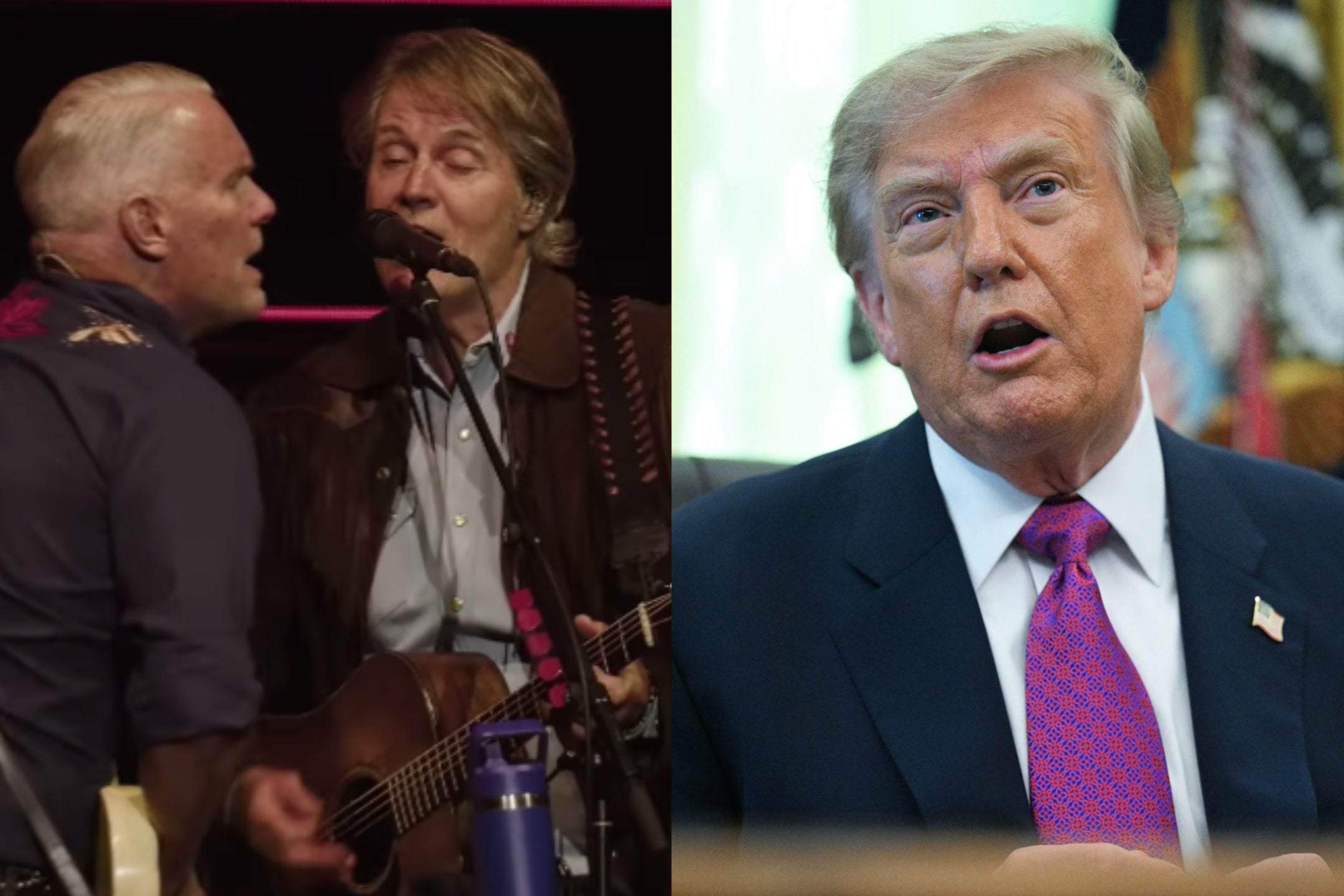
- Trump suggests renaming the Strait of Hormuz after himself, claiming it now belongs to the US.
- The US military expects to continue conducting offensive strikes near the strait, in part, because Iran has demonstrated it has the capacity to reconstitute its capabilities in a way that requires persistent maintenance.
- The US blockade, meanwhile, has prevented Iran from exporting any oil since July.
- Attacks by Iran on tankers continue, but commercial traffic is slipping through at a much reduced rate.
Former President Donald Trump has proposed renaming the Strait of Hormuz to "Trump Strait" as he claims the U.S. now controls this critical waterway. Trump stated on Truth Social, "Now that we have it under U.S.A. control, should we change the name to TRUMP STRAIT???"
The U.S. military has been actively escorting commercial vessels through the strait, with reports indicating that 40 vessels carrying 18 million barrels of oil were escorted on Tuesday, marking a wartime high. This operation comes amid ongoing tensions with Iran, which has been attacking tankers in the region.14510
Trump emphasized that Iran has lost control of the strait, stating, "I like our position now much better, with almost total control of the Hormuz Strait, and their economy totally collapsing." He also noted that the U.S. has deployed over a dozen ballistic missiles targeting Iranian military assets along the coastline.23

The U.S. Central Command reported that the military conducted strikes on nearly 60 military targets around the strait, including radar systems and maritime assets, while simultaneously escorting the oil-laden ships. This multi-faceted operation aims to degrade Iran's capability to threaten commercial shipping in the area.
Despite the U.S. blockade preventing Iran from exporting oil since July, Treasury Secretary Scott Bessent noted an uptick in oil flowing through the strait, with exports hitting a wartime record of more than 17 million barrels per day on Monday.9
Trump's remarks and the U.S. military's actions reflect a significant shift in the geopolitical landscape of the region, as control over the Strait of Hormuz remains fiercely contested.
“The US military's record day included striking nearly 60 targets around the strait, including air defense sites and radar systems, while fending off drone attacks and neutralizing anti-ship cruise missiles. Treasury Secretary Scott Bessent noted oil exports hit a wartime record of over 17 million barrels per day on Monday, saying 'That is not Iranian control of the strait.'”


 The Sun