- Trump suggests that US voters' discontent with his handling of Iran likely played a part in the Republican midterm losses, while also emphasizing the importance of his actions regarding Iran.
- US and Israel had been holding off on major attacks on Iran until after the midterms, with the Trump administration warning Gulf states to brace for a short, intense military campaign.
- Trump states he is in 'no rush' to start bombing Iran, indicating a cautious approach to military action.
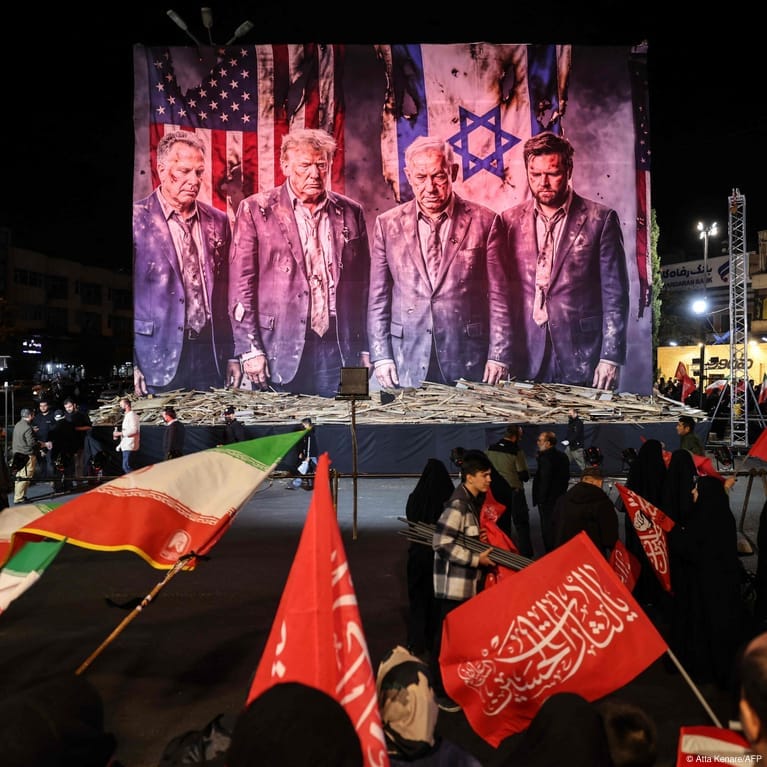
- Iranian officials have declared readiness for any attack, with indications they may target a wider range of locations, including Gulf states.
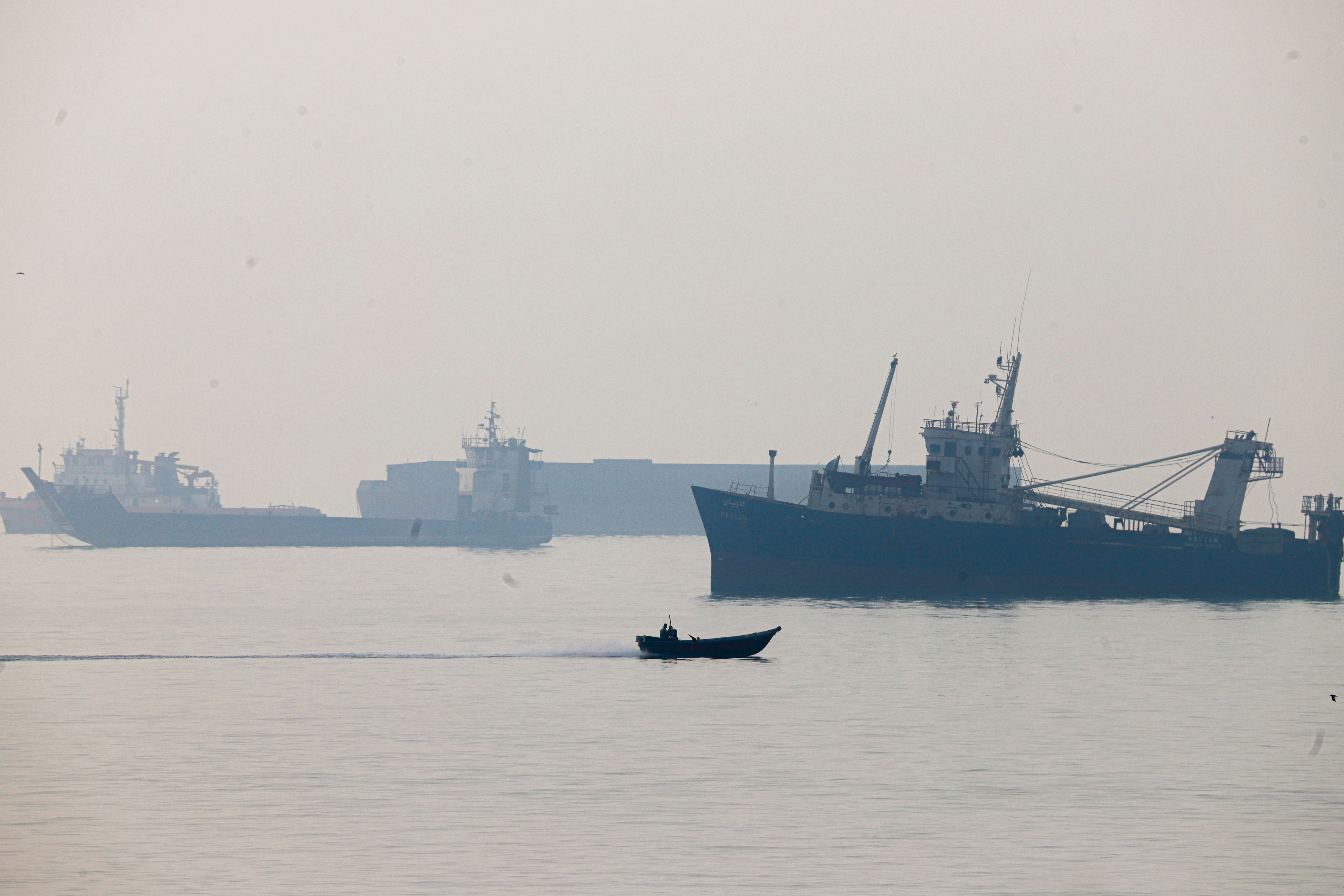
- Gulf states are conducting emergency drills and negotiations, with Qatar negotiating between the US and Iran, the UAE performing similar drills, Saudi Arabia facing attacks from the Houthis, and Egypt strengthening air defenses around the Suez Canal.
- Widespread disappointment exists across the region regarding the US's conduct of the war, with experts suggesting that the prioritization of Israel's defense over Gulf partners may have lasting repercussions.
- The Gulf states are moving toward strategic autonomy and self-reliance, with a lame-duck Trump expected to accelerate this process, although meaningful cooperation remains unlikely due to existing differences.
- Gulf states recognize they cannot rely solely on Washington for security and may need to establish some relationship with Tehran, acknowledging the inevitability of geography.
President Donald Trump suggested that Iran played a role in the GOP's midterm losses, stating, "I think a part of it was Iran," while acknowledging voters' concerns over rising gas prices.
As tensions escalate, Gulf states are bracing for potential conflict. The Trump administration has reportedly warned these nations to prepare for a short, intense military campaign following the elections.678912
Observers note that past presidents, often in a lame-duck position, tend to increase international interventions.
Trump emphasized he is in "no rush" to initiate bombing, yet the region is on high alert.
Qatar and the UAE are conducting emergency drills, while Saudi Arabia faces threats on multiple fronts.
Experts like Ross Harrison from the Middle East Institute warn that Iran may target Gulf states differently this time, stating, "all bets are off."
The Gulf states are increasingly seeking strategic autonomy, recognizing they cannot rely solely on U.S. support for security.11
As Andreas Krieg noted, a lame-duck Trump presidency could accelerate this shift, with Gulf nations understanding they must engage with Tehran for their security needs.
The situation remains fluid, with the potential for significant geopolitical shifts in the region.
“Qatar negotiates with Tehran while running airport drills, and Egypt has reportedly strengthened air defenses around the Suez Canal. Regional disappointment with Washington's prioritization of Israel is fueling Gulf moves toward strategic autonomy.”


 DW.com