- Trump signs executive orders to limit birthright citizenship.
- Experts doubted either measure could survive another legal challenge.
- Trump said he would complete his White House ballroom after an appeals court ordered construction to stop until Congress authorizes the project.
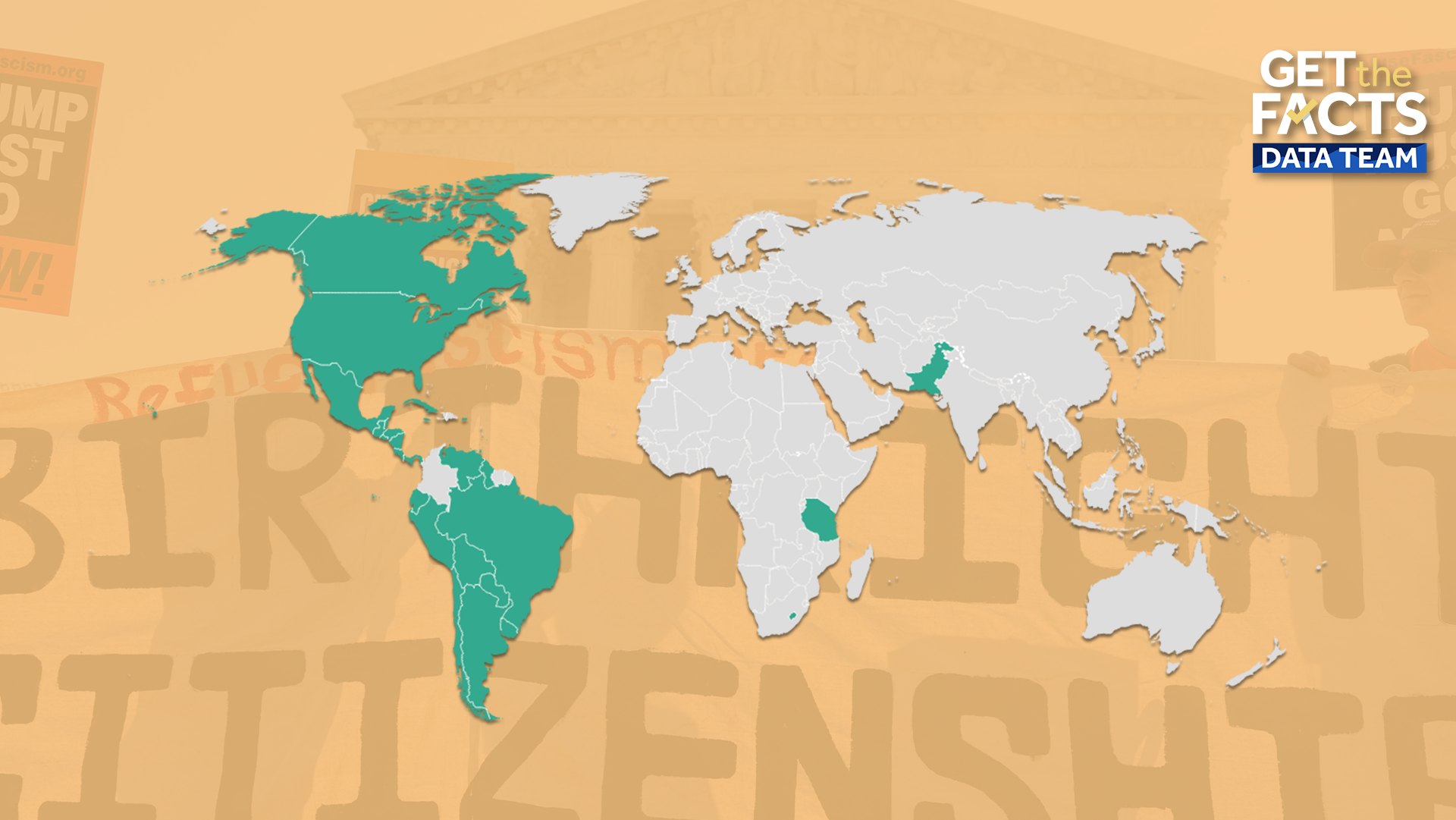
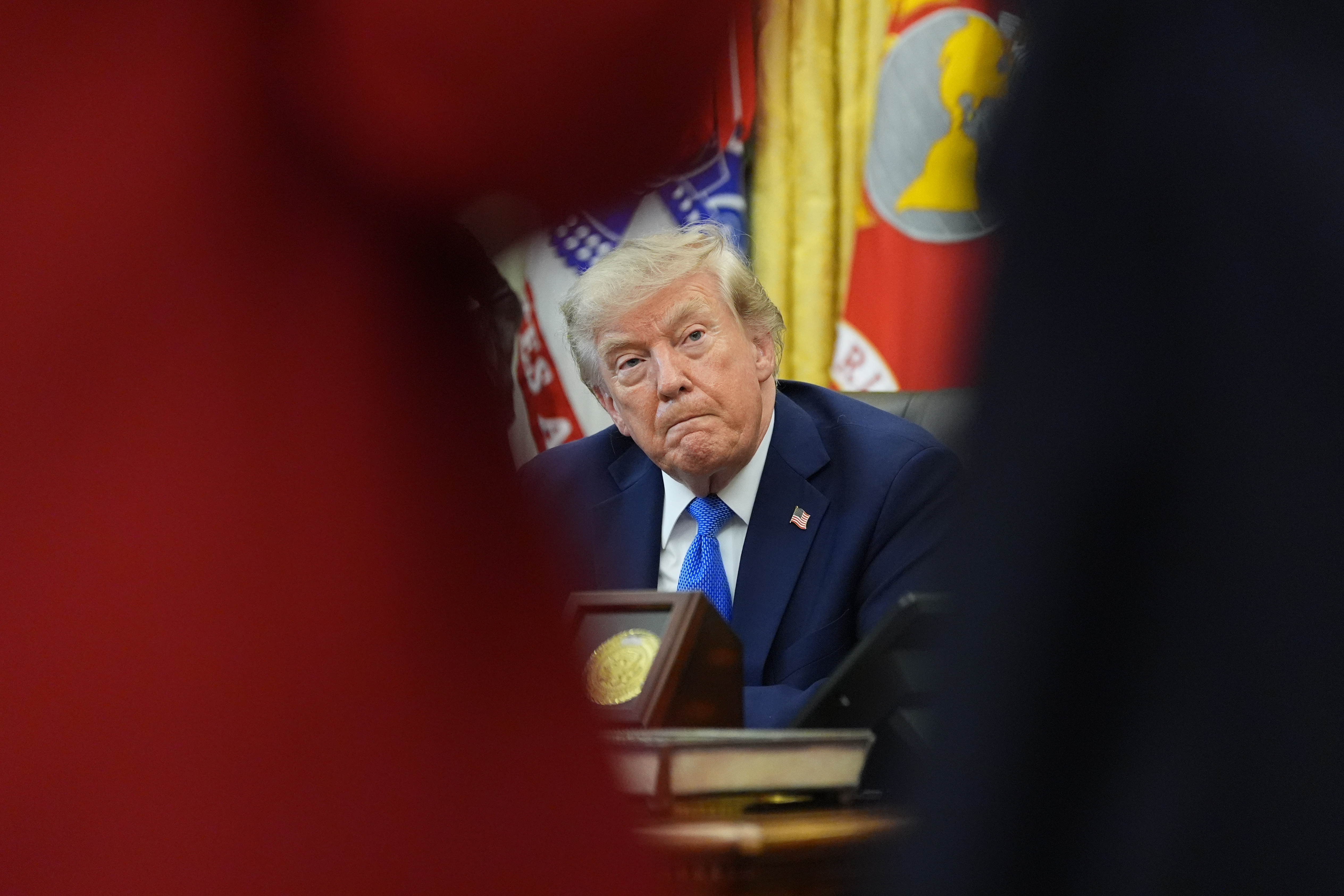
President Trump has taken another step to limit birthright citizenship by signing two executive orders on Thursday, which aim to restrict automatic citizenship for certain children born in the United States. This move comes after the Supreme Court dealt him significant losses earlier this year, including a ruling against his previous attempt to end birthright citizenship.13
Despite the president's efforts, legal experts are skeptical about the sustainability of these new measures. They argue that the executive orders are likely to face significant legal challenges, similar to those that thwarted Trump's earlier attempts. Experts doubted either measure could survive another legal challenge.2
In addition to the citizenship orders, Trump is also considering firing Federal Reserve governor Lisa Cook, a move that has drawn scrutiny due to the court's previous ruling requiring notice and a chance to respond before such actions can be taken. This week, the White House communicated to Cook that she has 21 days to respond to the allegations against her.
As Trump navigates these contentious issues, he also faces challenges with ongoing projects, such as the construction of his White House ballroom, which has been halted pending congressional authorization. Then, on Friday, Trump said he would to complete his White House ballroom after an appeals court ordered construction to stop until Congress authorizes the project.
“The White House gave Cook 21 days to respond to a potential firing, citing a court decision that she deserved notice. Separately, an appeals court halted ballroom construction until Congress authorizes it, but Trump vowed to complete it anyway.”