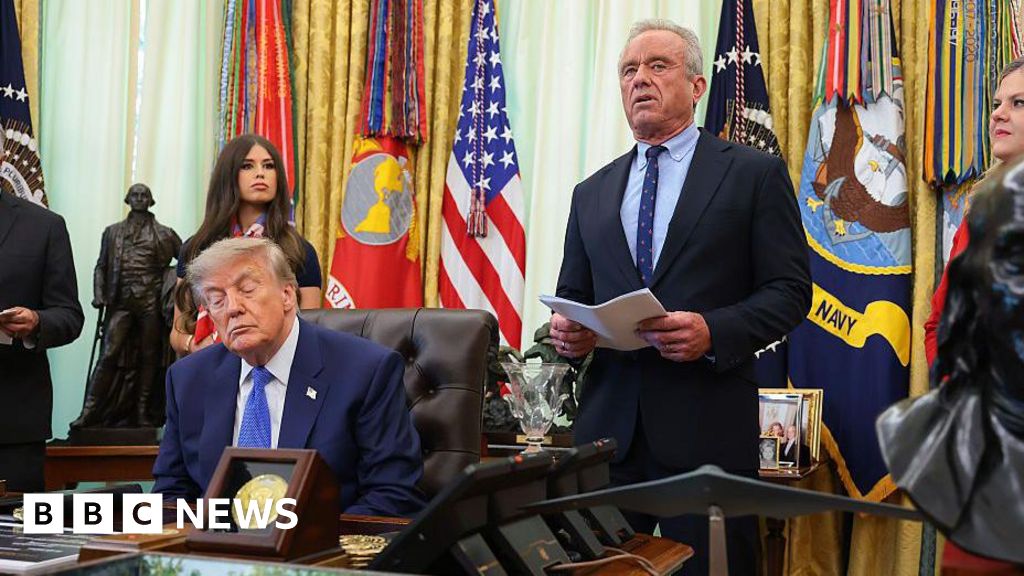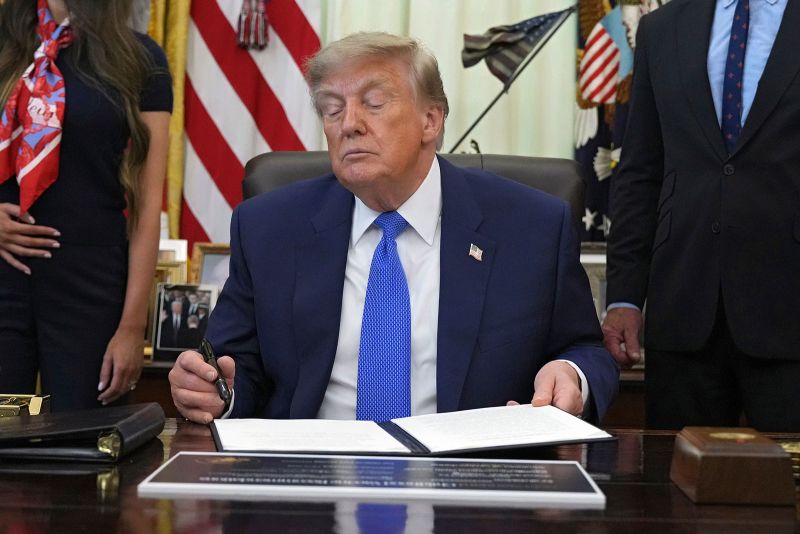
- The White House said the order aims to maximize parental choice, but the American Academy of Pediatrics warned it will inject uncertainty and fear.
- Major insurers and the Vaccines for Children program will continue covering CDC-recommended pediatric vaccines for now.
- The order threatens legal action and funding cuts for states that don't allow religious or personal-belief exemptions, affecting states like California, Connecticut, Maine, and New York.
- The order calls for splitting combination vaccines like MMR into separate shots, but pediatricians note that such separate vaccines are not currently available in the U.S.
- The order follows earlier attempts by HHS Secretary Robert F. Kennedy Jr. to change the childhood vaccine schedule, which were halted by a judge's order in March.
- Legal experts note that an executive order cannot replace the statutory process for vaccine recommendations, which rests with the CDC's Advisory Committee on Immunization Practices.
President Trump’s proposed executive order aims to reduce the number of routine childhood vaccinations from 18 to 11, with the MMR vaccine being split into three separate shots.
Dr. Andrew Racine of the AAP expressed concern, stating, “The only thing that I can see is going to happen as a result of the announcement from today is an injection of greater amounts of uncertainty and fear and confusion.”
The order threatens legal action against states that do not allow religious or personal-belief exemptions, potentially withholding federal funding.56
Four states—California, Connecticut, Maine, and New York—currently do not permit such exemptions for school-required vaccines.
The White House maintains that free vaccines through the Vaccines for Children program will remain unaffected, as they rely on CDC guidance.1234
Major insurers like Blue Cross Blue Shield and CVS are reviewing the order but plan to continue covering CDC-recommended vaccines without co-pays for now.
Critics argue that the proposed changes could lead to confusion among parents and healthcare providers, as the MMR vaccine is typically administered as a single shot in the U.S.
“That doesn’t exist in the United States, so I don’t know where he’s getting that from,” said a pediatric office representative, highlighting the logistical challenges of administering separate vaccines.
US Health and Human Services Secretary Robert F. Kennedy Jr. previously attempted to alter the childhood vaccine schedule, but those efforts were halted by a judge's order in March.
“The order follows HHS Secretary Robert F. Kennedy Jr.'s January attempt to change the childhood vaccine schedule, halted by a judge in March. Legal experts note an executive order cannot replace the statutory process, which rests with the CDC's Advisory Committee on Immunization Practices.”