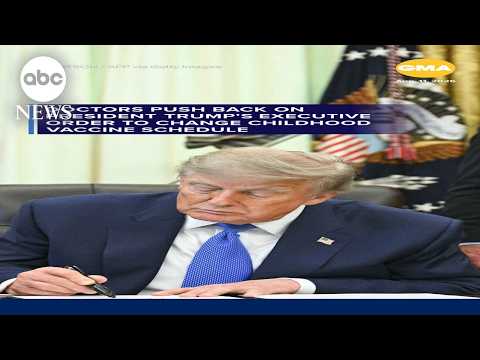
- Trump has long advocated for spreading out vaccines, dating back to 2014, and has pushed for splitting the MMR vaccine into three separate shots.
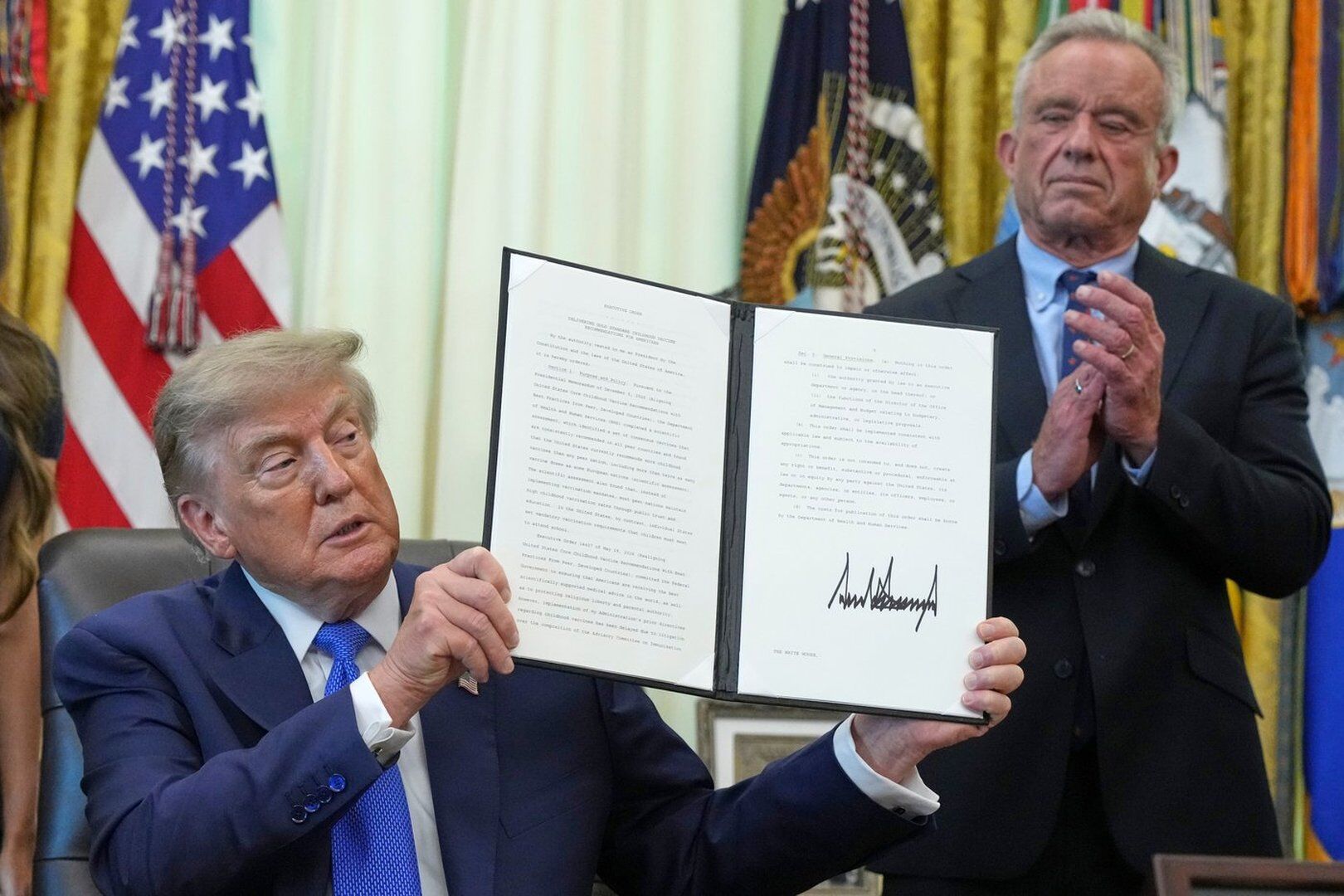
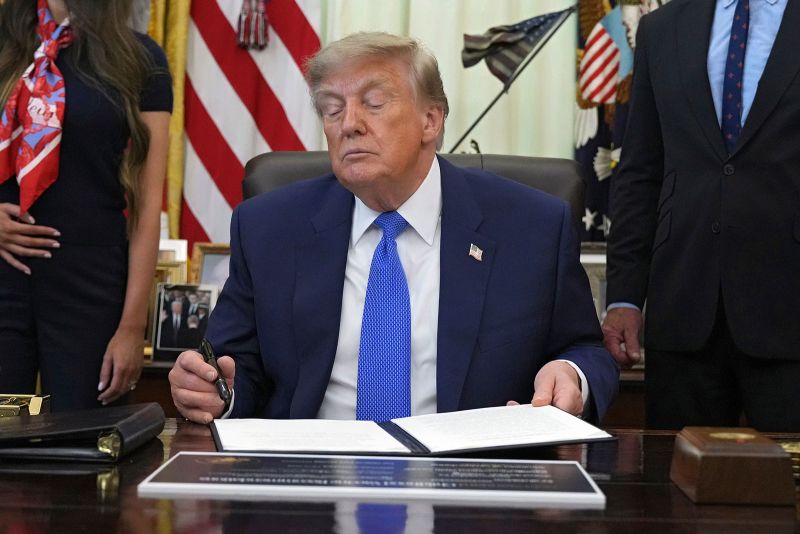
- On Monday, Trump ordered the U.S. Department of Health and Human Services to work on developing the option of separating the MMR shot into three single-disease vaccines.
- Trump described the order as a 'major victory for parents rights, religious and constitutional rights, and for the gold standard science.'
- The World Health Organization pushed back on Trump's announcement Tuesday, defending the scientific process used to establish childhood immunization schedules.
- Health law expert Timothy Caulfield called the move a disaster with no evidence to support it, warning it could fuel misinformation and confusion in Canada.
- Some MAHA voters see the order as a win, but political strategists and pollsters warn it may not matter much to most voters, as most Americans view vaccines positively.
- Democrats, including doctors linked to 314 Action, are using the order as an attack line, arguing for science-based healthcare and accountability.
- Caulfield said there is no evidence that children's immune systems can be overloaded by multiple vaccines, and separating vaccines could increase vaccination hesitancy by creating more barriers.
- Caulfield warned that the timing is concerning given global outbreaks of infectious diseases like measles, calling it the 'exact wrong move at the exact wrong time.'
- Caulfield emphasized that vaccines are among the most studied and continuously monitored biomedical interventions, and that parents are increasingly confused by competing claims.
- Caulfield said the implications extend beyond the U.S. because vaccine misinformation crosses borders, and Canada is already facing a measles resurgence.
- Public health experts warn that spacing out shots could increase the risk of infection with a vaccine-preventable disease before a child returns for the next visit.
- Caulfield said the international response is encouraging but may not prevent misinformation from spreading.
President Trump’s executive order to alter childhood vaccination schedules, particularly by separating the MMR vaccine, has raised significant concerns among health experts.123
Timothy Caulfield, a health law expert, stated, “It’s a disaster. It’s really, really disappointing.” He emphasized that there is “absolutely no evidence” supporting the need for such changes, which could lead to increased vaccination hesitancy.13141516171819202122232526
“If you have to have a busy parent come to the office three times, is that gonna increase vaccination hesitancy? Absolutely,” Caulfield warned. The timing of the announcement is particularly troubling, as “we’re seeing outbreaks around the world of infectious diseases, including measles.”
The implications of Trump’s order extend beyond the U.S., with Caulfield noting that misinformation about vaccines does not respect borders.
“Yes, this is primarily happening in the United States, but it’s going to impact Canada, and I think the world,” he said.
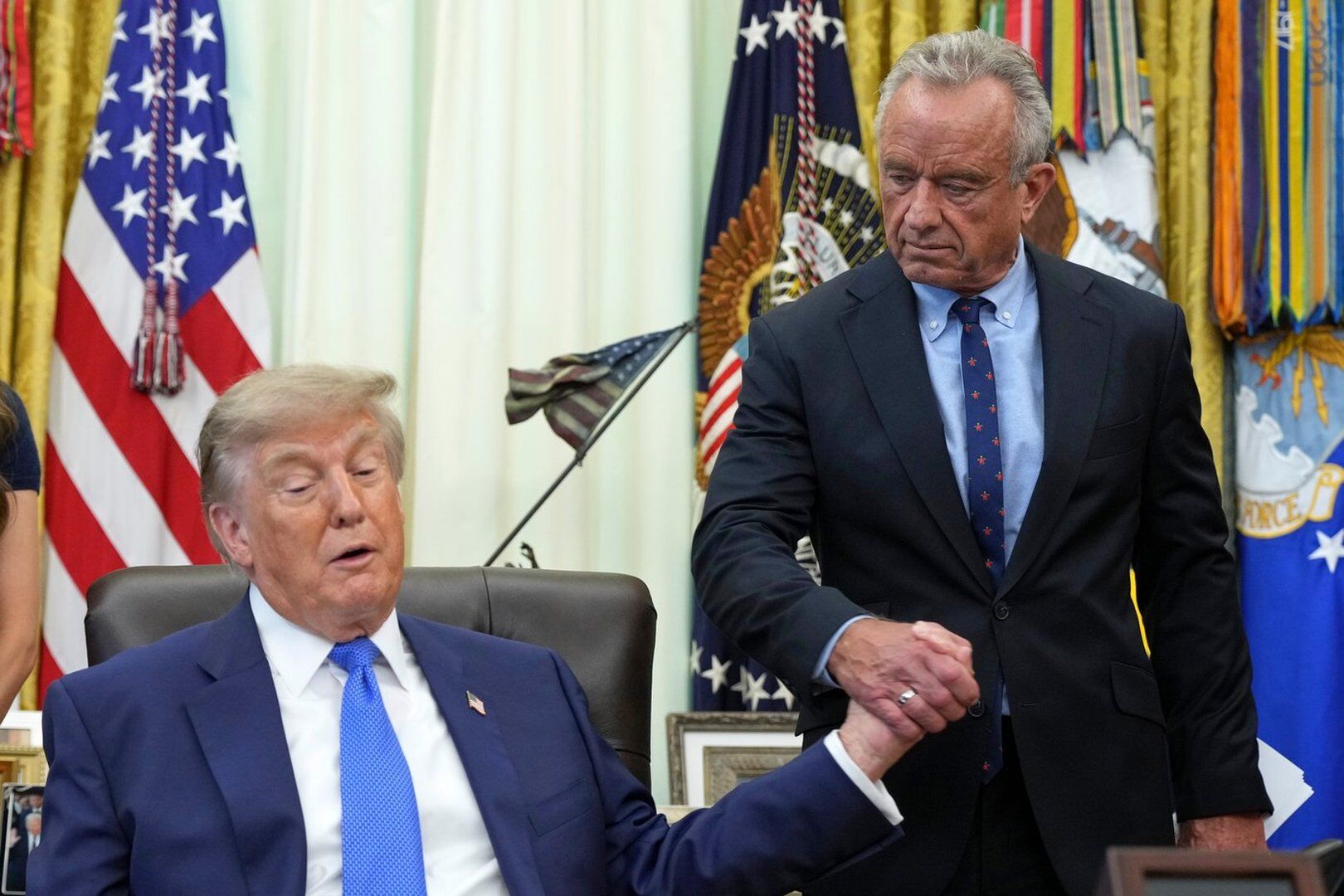
The World Health Organization has defended the scientific basis of current immunization schedules, countering Trump’s claims.6
Public health experts warn that spacing out vaccinations could increase the risk of children contracting preventable diseases before they receive their next shot.24
“Vaccines are probably the most studied biomedical interventions in human history,” Caulfield added, highlighting the extensive research backing their safety and efficacy.
As misinformation spreads, vaccination hesitancy is rising globally, a trend that experts fear will be exacerbated by Trump’s recent actions.
“The World Health Organization pushed back on the announcement, defending the scientific process behind immunization schedules. Caulfield noted there is no evidence that children's immune systems can be overloaded by multiple vaccines, and separating shots could increase hesitancy by creating more barriers for busy parents.”